
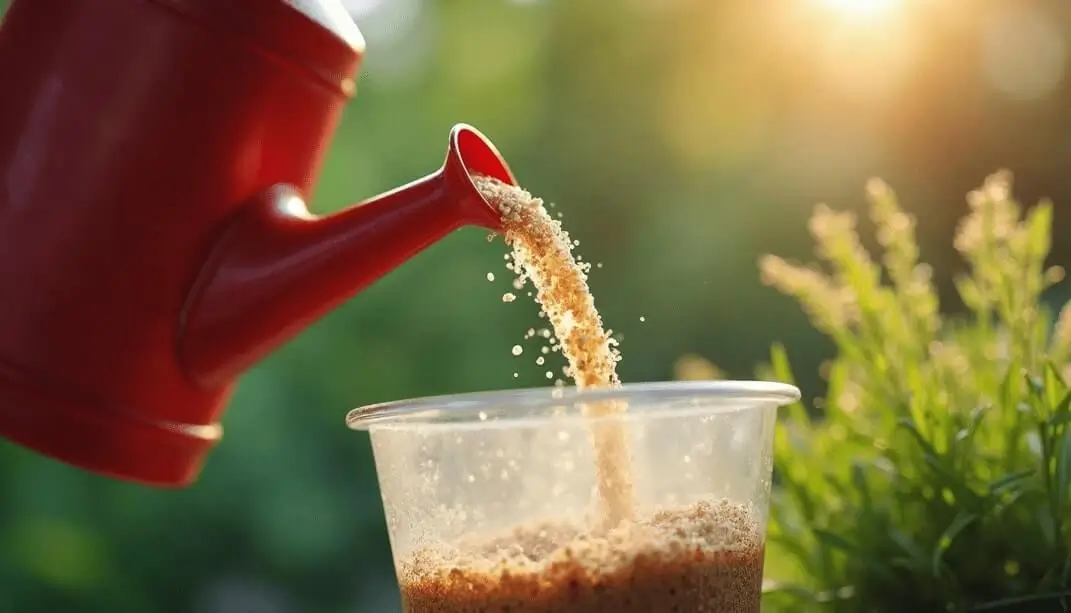
Getting the balance right between watering and fertilizing is one of the most important skills in container fruit gardening. Too much water can wash away nutrients, while over-fertilizing can damage roots and reduce fruit quality. For beginners, understanding how these two factors work together is key to growing healthy plants and enjoying consistent harvests. In this guide, you’ll learn how to create the perfect balance so your container fruit trees and plants can thrive.
Why Watering and Fertilizing Balance Matters in Container Fruit Gardening
Container fruit plants live in a very different environment than those planted in the ground. Their roots are confined, the soil volume is limited, and everything they receive—water, nutrients, oxygen—depends entirely on you.
Here’s why balance matters so much:
- Water controls nutrient availability: Roots can only absorb nutrients when they are dissolved in water.
- Overwatering causes nutrient loss: Excess water drains nutrients out of the pot before roots can use them.
- Underwatering blocks nutrient uptake: Dry soil prevents roots from absorbing fertilizer, even if it’s present.
- Containers dry out faster: Especially in warm or windy conditions, pots lose moisture quickly.
If you’ve ever wondered why a well-fertilized plant still looks unhealthy, the answer is often improper watering. This is especially common with citrus, figs, and berries grown in pots, where moisture control is critical. For example, in container citrus, inconsistent watering often leads to leaf drop and nutrient deficiencies, as explained in our guide on watering citrus trees in containers.
Understanding the Relationship Between Water and Nutrients
Before diving into techniques, it’s important to understand how watering and fertilizing work together.
How Roots Absorb Nutrients
- Nutrients must be dissolved in soil moisture
- Active roots absorb nutrients through tiny root hairs
- Oxygen in the soil is essential for healthy root function
What Happens When the Balance Is Off
- Too much water → roots suffocate → nutrients stay unused → yellowing leaves
- Too little water → nutrients concentrate → root burn or lockout
- Irregular watering → inconsistent growth and fruit drop
This is why a balanced routine always starts with proper watering, then builds fertilizing on top of it—not the other way around.
Step-by-Step: Achieving the Right Watering and Fertilizing Balance
Step 1: Start With Well-Draining Container Soil
Good balance is impossible without proper soil.
Choose or mix a potting medium that:
- Drains excess water easily
- Holds moisture without becoming soggy
- Contains organic matter for slow nutrient release
Avoid garden soil—it compacts in containers and disrupts water flow. If drainage is poor, no fertilizing strategy will work consistently.
Step 2: Water Correctly Before Thinking About Fertilizer
Always master watering first.
Best practices for container fruit plants:
- Water deeply until excess drains from the bottom
- Let the top 2–5 cm (1–2 inches) dry before watering again
- Adjust frequency based on season and weather
In hot months, daily watering may be necessary, while in cooler periods, watering may drop to once or twice a week. Plants like figs are especially sensitive to irregular watering, which can cause fruit drop—a problem discussed in our article on proper watering techniques for fig trees in pots.
Step 3: Fertilize Only When Soil Moisture Is Right
Never fertilize dry soil.
Why this matters:
- Dry roots absorb fertilizer unevenly
- Concentrated nutrients can burn roots
- Moist soil ensures even nutrient distribution
Best routine:
- Lightly water the pot
- Apply fertilizer (liquid or granular)
- Water again gently to help nutrients move into the root zone
Step 4: Match Fertilizer Type to Your Watering Style
Your watering habits should influence your fertilizer choice.
Liquid fertilizers
- Fast-acting
- Best for frequent watering
- Ideal during active growth and fruiting
Slow-release fertilizers
- Feed gradually over weeks or months
- Better for gardeners who water less frequently
- Reduce risk of overfeeding
Many experienced container gardeners use both: slow-release as a base and liquid feeds during flowering and fruit development.
Step 5: Adjust Feeding Based on Plant Growth Stage
Container fruit plants don’t need the same nutrients all the time.
- Early growth: Higher nitrogen for leaf development
- Flowering: Balanced nutrients with micronutrients
- Fruiting: More potassium for fruit size and flavor
- Dormant or slow growth: Minimal or no fertilizer
Overfeeding during low-growth periods often causes salt buildup in containers, leading to stressed roots.
Common Watering and Fertilizing Mistakes Beginners Make
Overwatering “Just to Be Safe”
This is the most common mistake. Constantly wet soil:
- Pushes oxygen out of the root zone
- Encourages root rot
- Flushes nutrients away
Fertilizing on a Fixed Schedule
Plants don’t follow calendars—they follow conditions. Fertilizing without checking soil moisture or plant growth often leads to imbalance.
Ignoring Drainage Holes
Without drainage holes, water accumulates at the bottom of the pot, creating nutrient-dead zones where roots rot instead of feeding.
Confusing Deficiency With Hunger
Yellow leaves don’t always mean more fertilizer is needed. Often, the real issue is poor watering. This is especially common in berries grown in containers, where inconsistent moisture affects nutrient uptake, as explained in our guide to watering berry plants correctly in pots.
Tools, Containers, and Care Tips That Improve Balance
Choose the Right Container Size
- Small pots dry out too fast
- Large pots hold moisture longer and stabilize nutrients
- Always size up as the plant grows
Use Mulch in Containers
A thin layer of organic mulch:
- Reduces evaporation
- Keeps soil temperature stable
- Improves nutrient retention
Flush Containers Occasionally
Every 4–6 weeks:
- Water deeply to flush excess salts
- Prevent fertilizer buildup
- Restore root health
This practice is especially important if you use synthetic fertilizers.
Signs Your Watering and Fertilizing Balance Is Working
Healthy container fruit plants show clear signals:
- Steady, even growth
- Deep green leaves (not overly dark)
- Consistent flowering and fruit set
- Minimal leaf drop outside seasonal changes
If you notice leaf curl, sudden yellowing, or stalled growth, review watering first—then fertilizing.
FAQ: Watering and Fertilizing Balance in Container Fruit Plants
How often should I water and fertilize container fruit plants?
Water when the top layer of soil dries slightly. Fertilize during active growth every 2–4 weeks, depending on fertilizer type.
Can I fertilize every time I water?
Only with very diluted liquid fertilizers. Otherwise, this leads to nutrient overload.
What happens if I over-fertilize but water correctly?
Even with proper watering, excess fertilizer can burn roots and cause salt buildup in containers.
Should I stop fertilizing in winter?
Yes, in most climates. Reduced growth means reduced nutrient needs.
Is rain enough for container fruit plants?
Rain helps, but it often isn’t consistent or deep enough. Always check soil moisture after rainfall.
Conclusion: Creating a Reliable Watering and Fertilizing Routine
Mastering watering and fertilizing balance is the key to long-term success in container fruit gardening. Water determines how nutrients move, how roots breathe, and how well plants grow. Fertilizer supports that growth—but only when moisture levels are right.
Start with good soil and drainage, water consistently, fertilize thoughtfully, and adjust based on plant signals rather than rigid schedules. As your confidence grows, this balance becomes second nature—and your container fruit plants will reward you with healthier growth and better harvests season after season.
Your next step? Review your current watering habits today, then adjust your fertilizing routine to match them. Small changes now lead to big improvements later. 🌱🍓