
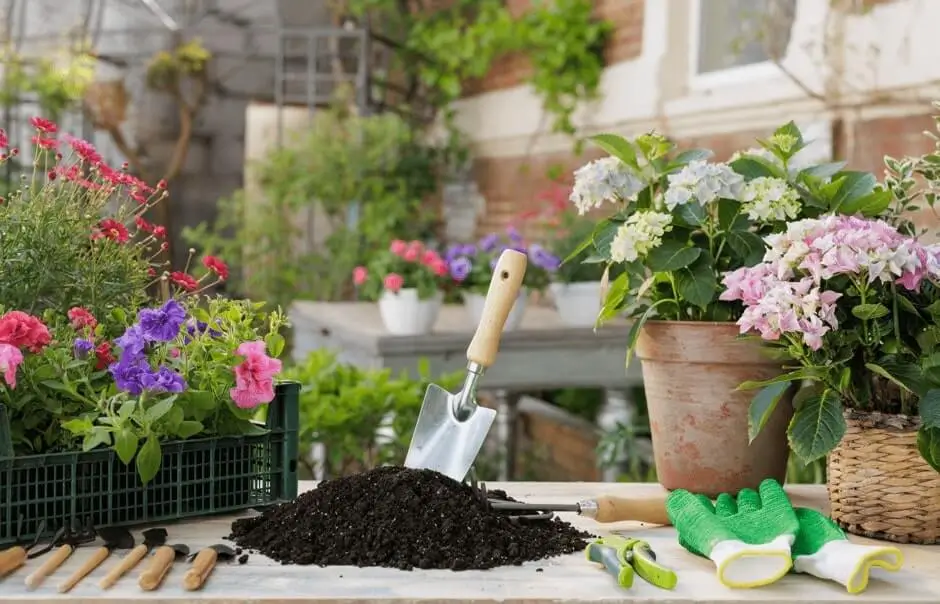
Having the right tools can make container fruit gardening easier, cleaner, and far more successful for beginners. From choosing proper pruning shears to selecting watering tools and soil scoops, the right equipment helps protect your plants while saving time and effort. This guide covers the essential container fruit gardening tools every beginner should know about for healthy plants and better harvests.
Why the Right Tools Matter in Container Fruit Gardening
Growing fruit in containers is different from growing in the ground. Roots are confined, watering needs are higher, and maintenance must be more precise. The right tools help you:
- Maintain healthy root systems in a limited space.
- Water efficiently without over- or under-watering
- Prune correctly to control size and increase yields.
- Monitor soil health and plant stress early.
Unlike ornamental plants, fruit trees and bushes need consistent care to flower and fruit. With proper tools, tasks become easier, faster, and far more effective—especially for beginners.
If you’re new to this method, start with a solid foundation by understanding how container fruit gardening works step by step, then build your tool collection accordingly.
Essential Container Fruit Gardening Tools You Need (Step-by-Step)
1. The Right Containers (Your Most Important Tool)
Your container is more than a pot—it’s the entire growing environment.
What to look for:
- Drainage holes (non-negotiable)
- Sturdy material (plastic, fabric, terracotta, or wood)
- Size appropriate to the fruit type
Small containers restrict root growth and reduce fruiting. As a rule, most dwarf fruit trees need at least 40–60 litres (10–15 gallons) to thrive.
If you’re unsure how deep or wide your containers should be, this guide on choosing the right container depth for fruit trees will help you avoid one of the most common beginner mistakes.
2. High-Quality Potting Soil (Not Garden Soil)
Soil is a “tool” many gardeners underestimate.
Avoid:
- Heavy garden soil
- Cheap potting mixes that compact quickly
Use instead:
- Well-draining, nutrient-rich potting mix
- Compost-based blends designed for fruit or vegetables
Good soil supports root oxygen, water balance, and nutrient uptake. If you want better harvests, investing in the best soil for fruit in pots makes a noticeable difference within one season.
3. Watering Tools That Prevent Stress
Container fruit plants dry out faster than ground-grown ones. Inconsistent watering causes:
- Blossom drop
- Split fruit
- Weak growth
Best watering tools:
- Long-spout watering can (gentle, precise)
- Hose with an adjustable spray head
- Self-watering containers or reservoirs
If you’re busy or live in a hot climate, using self-watering containers for fruit trees can dramatically reduce watering problems.
4. Pruning Tools for Size Control and Fruit Production
Fruit plants in containers must be pruned regularly.
Essential pruning tools:
- Sharp hand pruners (bypass style)
- Small pruning saw (for mature dwarf trees)
- Clean cloth + alcohol for sanitizing blades
Pruning controls size, improves airflow, and directs energy toward fruit. Blunt or dirty tools damage plants and spread disease—never skip quality here.
5. Fertilizing Tools for Consistent Feeding
Container fruit plants rely entirely on you for nutrients.
Helpful tools include:
- Measuring scoop or cup
- Liquid fertilizer bottle or pump sprayer
- Slow-release fertilizer spikes (optional)
Overfeeding is just as harmful as underfeeding. For best results, follow a clear feeding schedule for potted fruit trees based on the plant’s growth stage.
6. Support Tools: Stakes, Ties, and Trellises
As fruit develops, branches become heavy—especially in containers.
Support tools you may need:
- Bamboo stakes or metal rods
- Soft plant ties (never wire)
- Small trellises for berries and vines
Proper support prevents broken branches and keeps plants upright during wind or storms.
7. Pest & Disease Monitoring Tools
You don’t need harsh chemicals—but you do need awareness.
Simple but effective tools:
- Yellow sticky traps (monitor insects)
- Magnifying glass (check leaf undersides)
- Neem oil spray bottle (preventive use)
Early detection is everything in small-space fruit gardening.
Optional but Helpful Tools for Beginners
These tools aren’t essential, but they make life easier:
- Soil moisture meter (great for beginners)
- Mulch (straw, bark, or coco coir)
- Gardening gloves with grip
- Rolling plant caddies for heavy pots
If you’re gardening on a balcony, weight and safety also matter. This article on balcony fruit gardening safety tips is worth reading before adding large containers.
Common Beginner Mistakes with Container Gardening Tools
Many new gardeners fail—not because they lack effort, but because they use the wrong tools.
Avoid these mistakes:
- Using decorative pots with no drainage
- Overwatering due to a lack of proper watering tools
- Pruning with dull or dirty shears
- Skipping feeding tools and “guessing” fertilizer amounts
- Using garden soil instead of potting mix
The right tools eliminate guesswork and protect your plants from stress.
How to Build a Budget-Friendly Tool Kit
You don’t need everything at once. Start small:
Beginner starter kit:
- 1 quality container
- Good potting mix
- Hand pruners
- Watering can
- Balanced fruit fertilizer
As your mini orchard grows, upgrade tools gradually. This approach aligns perfectly with a container fruit gardening budget strategy that avoids unnecessary spending.
FAQ: Container Fruit Gardening Tools You Need
What is the most important tool for container fruit gardening?
The container itself. Size, drainage, and material directly affect root health and fruit production.
Do I need special tools for dwarf fruit trees?
Not many—just quality pruners, proper containers, and consistent watering tools.
Are self-watering containers worth it?
Yes, especially for beginners or hot climates. They reduce stress and watering errors.
Can I reuse old containers?
Yes, if they have drainage holes and are thoroughly cleaned and disinfected.
How often should I replace potting soil?
Top up annually and fully replace every 2–3 years for best results.
Conclusion: Build the Right Tool Kit, Grow Better Fruit
Successful container fruit gardening isn’t about owning dozens of tools—it’s about owning the right ones. With proper containers, soil, watering tools, and pruning equipment, you create a stable environment where fruit plants can thrive, even in small spaces.
Start with the essentials, learn how each tool supports plant health, and expand your setup as your confidence grows. With the right tools in hand, your balcony, patio, or small garden can become a productive mini orchard—season after season.
Next step: Review your current tools, upgrade the weakest link, and put what you’ve learned into practice today.