
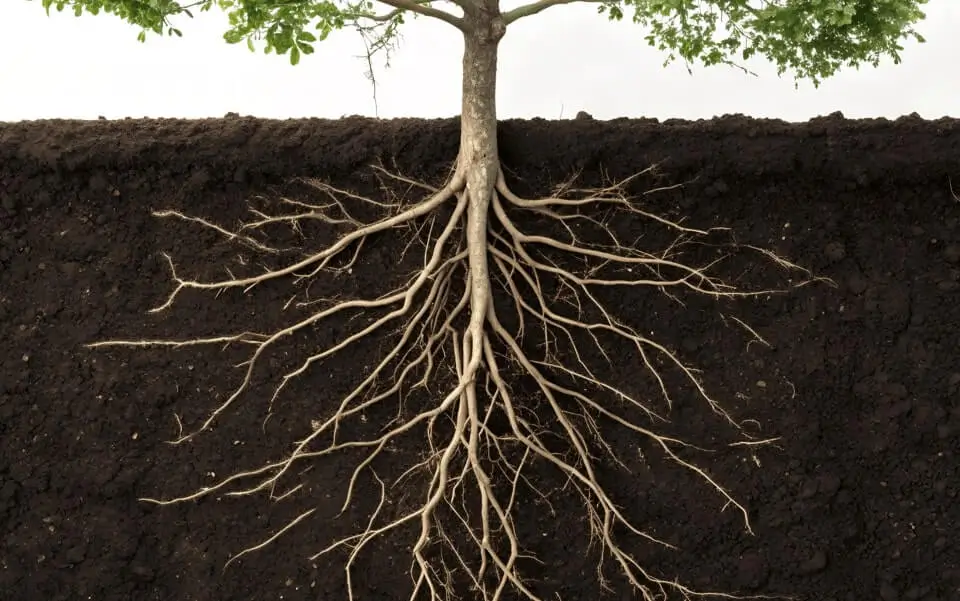
Poor root growth is one of the most common hidden problems in container fruit gardening. Weak roots can lead to slow growth, yellow leaves, reduced fruit production, and stressed plants that struggle to survive. In this guide, you’ll learn the most common causes of poor root development in potted fruit plants and discover simple step-by-step solutions to encourage stronger, healthier roots for long-term growth and better harvests.
Why Poor Root Growth Matters for Container Fruit Gardening
In containers, roots don’t have the freedom they enjoy in garden soil. They rely entirely on you for space, oxygen, moisture balance, and nutrients. When something goes wrong below the surface, problems appear fast.
Healthy roots are responsible for:
- Absorbing water and nutrients efficiently
- Anchoring the plant and supporting upright growth
- Regulating plant stress during heat or cold
- Fueling flowering, fruit set, and ripening
Poor root growth, on the other hand, leads to:
- Stunted or slow growth
- Wilting even when the soil looks moist
- Leaf discoloration and early leaf drop
- Reduced flowering and fruit size
Container fruit plants are especially vulnerable because roots can easily become compacted, overheated, waterlogged, or nutrient-burned. That’s why understanding how to fix poor root growth is essential if you want long-term success in pots.
Step-by-Step: How to Fix Poor Root Growth
1. Diagnose the Root Problem First
Before fixing anything, identify the reason for poor root growth. Gently slide the plant out of its container and observe the roots.
Common signs include:
- Tightly circling roots → root-bound plant.
- Brown, mushy roots → overwatering or poor drainage
- Dry, brittle roots → underwatering or hydrophobic soil
- Very few fine white roots → nutrient imbalance or compacted soil
This inspection tells you which solution matters most.
2. Fix Root-Bound Plants Immediately
Root-bound plants are one of the most common causes of poor root growth in containers. When roots circle the pot with no room to expand, growth stalls.
How to fix it:
- Move the plant to a container 2–4 inches wider in diameter.
- Loosen the outer root mass gently with your fingers.
- Trim only severely tangled or dead roots (never more than 20%)
- Replant using fresh, well-aerated potting mix
If you’re unsure how deep or wide containers should be, review this guide on how deep soil should be for fruit trees, which explains ideal root space for different fruit types.
3. Improve Soil Structure and Aeration
Roots need oxygen as much as they need water. Dense, compacted soil suffocates roots and prevents new growth.
To improve soil for better root development:
- Replace old or compacted potting mix.
- Add perlite, pumice, or coarse sand for airflow.
- Mix in compost in moderation for microbial activity.
If your soil drains too fast or too slowly, correcting the balance is critical. This detailed resource explains how to balance drainage and moisture in containers and fine-tune soil texture for healthy roots.
4. Correct Watering Practices
Improper watering is a top cause of poor root growth.
Overwatering problems:
- Roots rot due to a lack of oxygen.
- Fungal diseases thrive
- New root tips die off.
Underwatering problems:
- Roots dry out and stop branching.
- Soil becomes water-repellent
- Nutrient uptake drops
Best practices:
- Water deeply until the excess drains out
- Let the top 1–2 inches of soil dry before watering again.
- Adjust frequency based on season and pot size.
If your soil struggles to hold moisture evenly, these soil moisture retention tips for container plants can help stabilize watering and encourage deeper root growth.
5. Adjust Fertilizing to Support Roots (Not Burn Them)
Too much fertilizer—especially synthetic salts—can damage root tips and halt growth.
Signs of fertilizer-related root problems:
- Leaf burn on edges
- Sudden wilting after feeding
- White crust on the soil surface
To fix this:
- Flush the container thoroughly with clean water.
- Pause fertilizing for 2–3 weeks.
- Resume feeding at half strength.
Knowing when to stop feeding is just as important as knowing what to use. This guide on when to stop fertilizing fruit trees explains how timing affects root health.
6. Maintain Proper Soil Temperature
Roots in containers are more exposed to temperature extremes than in-ground plants. Cold soil slows root growth, while overheated pots can kill fine roots.
Root-friendly temperature tips:
- Insulate pots with mulch or pot covers.
- Avoid dark containers in intense summer sun.
- Raise pots slightly off hot surfaces.
- Move containers to sheltered locations during cold spells.
Understanding the relationship between temperature and roots is essential—this article on soil temperature and root health goes deeper into protecting roots year-round.
7. Encourage New Root Growth Naturally
Once conditions improve, stimulate healthy root development:
- Apply compost tea or diluted seaweed extract.
- Use mycorrhizal inoculants when repotting.
- Mulch the soil surface lightly to regulate moisture.
- Avoid frequent repotting or disturbance.
Healthy roots regenerate when stress is removed, and conditions remain stable.
Common Mistakes Beginners Make
Even well-intentioned gardeners often slow root growth without realizing it.
Mistake 1: Using Garden Soil in Containers
Garden soil in pots compacts quickly, restricting oxygen. Always use a quality container mix.
Mistake 2: Oversized Containers Too Early
Huge pots hold excess moisture and slow root expansion in young plants.
Mistake 3: Constant Light Watering
Shallow watering encourages shallow roots rather than deep, resilient roots.
Mistake 4: Ignoring Drainage Holes
No drainage means guaranteed root problems, no matter how good the soil is.
Tools, Soil, and Care Tips That Improve Root Growth
Best Containers
- Fabric grow bags for air-pruning
- Plastic pots with multiple drainage holes
- Light-colored containers in hot climates
Ideal Soil Components
- High-quality potting mix
- Perlite or pumice (20–30%)
- Finished compost (10–20%)
Helpful Tools
- Moisture meter (used carefully)
- Root pruning shears
- Mulch for temperature control
Choosing the right materials makes fixing poor root growth easier and more sustainable over time.
FAQ: How to Fix Poor Root Growth
Why is my container fruit plant not growing roots?
Usually, it is due to compacted soil, root binding, overwatering, or poor oxygen levels in the container.
Can roots recover after rot?
Yes, if caught early. Remove damaged roots, improve drainage, and reduce watering.
How long does it take to fix poor root growth?
Visible improvement often appears in 2–4 weeks once conditions are corrected.
Should I use root stimulators?
They can help, but fixing soil, space, and watering matters far more.
Does repotting always help root growth?
Only if the current pot is limiting roots or the soil quality is poor.
Conclusion: Strong Roots, Strong Harvests
Fixing poor root growth isn’t about quick fixes—it’s about creating the right environment below the soil line. By improving container size, soil structure, watering habits, fertilizing timing, and temperature control, you give roots what they need to recover and thrive. Once roots are healthy, everything else follows: stronger growth, better flowering, and more reliable fruiting.
Start with one change at a time, observe your plants closely, and adjust gradually. Healthy roots are invisible, but their impact on your container fruit garden is impossible to miss.