
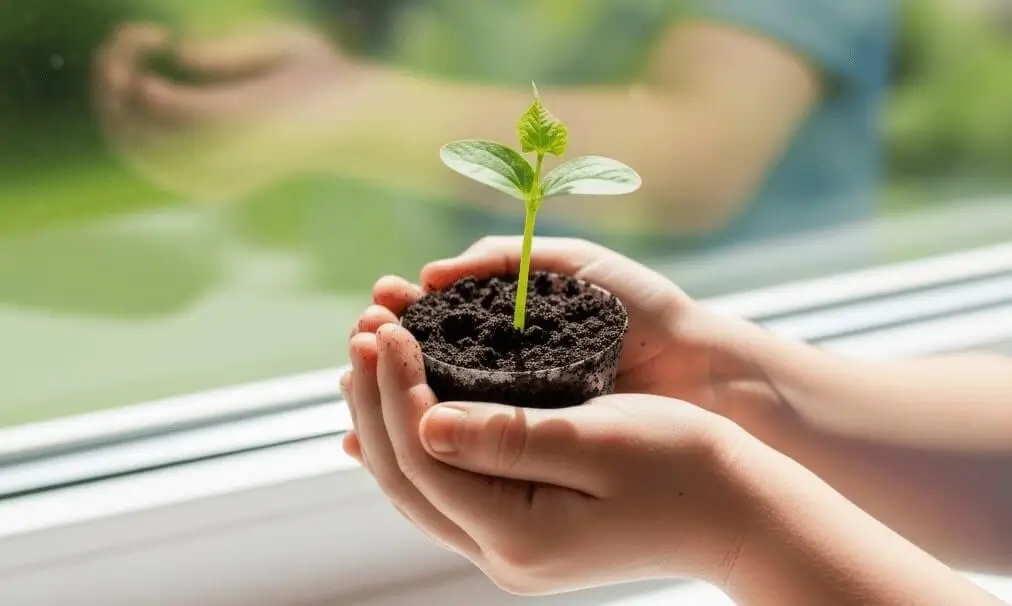
Growing citrus trees in containers is one of the best ways to enjoy fresh lemons, oranges, limes, and mandarins even in small spaces. But success starts with one crucial factor: soil. The right potting mix helps citrus roots stay healthy, improves drainage, prevents root rot, and provides the nutrients trees need for strong growth and fruit production. In this guide, you’ll learn how to choose the best soil for citrus trees in pots, what ingredients work best, and how to create the perfect growing environment for thriving container citrus plants.
Why the Right Soil Matters for Container Citrus Trees
Container fruit gardening is very different from growing trees in the ground. In pots, citrus roots rely entirely on the soil mix you provide.
Here’s why soil choice is critical for citrus trees in containers:
- Limited root space means poor drainage quickly leads to root rot.
- Nutrient reserves are small, so soil quality affects feeding efficiency.
- Water management is harder, especially in hot or windy locations.
- pH balance matters more, directly affecting nutrient uptake
Unlike many houseplants, citrus trees prefer soil that drains fast but still holds moisture, stays slightly acidic, and remains airy over time. If the soil compacts or stays soggy, roots suffocate—and the tree declines.
If you’re new to container fruit growing, understanding the basics of container fruit gardening planning can help you avoid these issues from the start.
Best Soil for Citrus Trees in Pots: Key Requirements
Before choosing or mixing soil, you need to understand what citrus trees actually need from their growing medium.
1. Excellent Drainage (Non-Negotiable)
Citrus trees hate “wet feet.” The soil must allow excess water to drain quickly while keeping roots lightly moist.
Good drainage prevents:
- Root rot
- Fungus and mold
- Nutrient lockout
If you’ve ever struggled with soggy pots, learning how to improve drainage in pots is essential before planting citrus.
2. Light, Airy Structure
Healthy citrus roots need oxygen. The best soil for citrus trees in pots should:
- Stay loose after watering.
- Resist compaction over time.
- Contain coarse particles for airflow.
Heavy soils collapse in containers, starving roots of oxygen.
3. Slightly Acidic pH (5.5–6.5)
Citrus trees absorb nutrients best in slightly acidic soil. When pH drifts too high:
- Iron deficiency causes yellow leaves.
- Growth slows
- Fruit quality suffers
For a deeper understanding, see this guide on the best soil pH for fruit trees and how to adjust it naturally.
4. Steady, Balanced Nutrients
Citrus trees are heavy feeders, especially in pots. Soil should:
- Contain organic matter for slow nutrient release.
- Support regular fertilization without buildup.
- Avoid excessive salts
Step-by-Step: How to Make the Best Citrus Potting Soil Mix
Step 1: Start With a Quality Base
Choose one of the following as your base:
- High-quality all-purpose potting mix
- Premium citrus or fruit tree potting soil
Avoid:
- Garden soil
- Topsoil
- Cheap, peat-heavy mixes with poor drainage
Step 2: Improve Drainage and Aeration
Add coarse materials to keep the mix light:
- Perlite or pumice (improves airflow)
- Pine bark fines (adds structure and longevity)
- Coarse sand (optional, improves drainage)
Recommended ratio (DIY mix):
- 50% potting mix
- 25% perlite or pumice
- 25% pine bark fines
Step 3: Add Organic Matter for Nutrition
Citrus trees benefit from gentle, slow-release nutrition.
Good options include:
- Aged compost
- High-quality compost for container fruit gardening
- Worm castings (in moderation)
If you’re interested in boosting microbial life, worm castings for fruit trees in pots are especially effective.
Step 4: Check and Adjust pH
Before planting:
- Test soil pH with a simple kit.
- Adjust using elemental sulphur (to lower pH)
- Avoid lime unless the pH is too low.
Maintaining the right pH makes fertilizing far more effective.
Choosing Store-Bought Soil for Citrus Trees in Pots
If you prefer convenience, look for potting mixes labelled:
- “Citrus & Fruit Trees”
- “Fast-draining container mix”
- “Professional potting soil with bark”
What to check on the label:
- Contains perlite or bark
- No added garden soil
- Balanced, slow-release nutrients
You can still improve commercial mixes by adding extra perlite or compost for better performance.
Best Containers to Pair With the Right Soil
Even perfect soil won’t help if the container is the wrong size.
Ideal Pot Features for Citrus Trees
- Multiple drainage holes
- Heavy enough to prevent tipping
- Breathable materials (fabric pots, terracotta)
Avoid decorative pots without drainage unless used as outer cache pots.
Container size matters too:
- Start small for young trees.
- Increase pot size gradually.
- Avoid overpotting (leads to soggy soil)
Watering and Soil Maintenance Tips for Potted Citrus
Soil health doesn’t end after planting.
Smart Watering Practices
- Water deeply until it drains out
- Let the top 2–3 inches dry between waterings.
- Adjust frequency seasonally
Refreshing Soil Over Time
Every 12–18 months:
- Remove the top few inches of old soil.
- Replace with fresh potting mix and compost.
- Check root health during repotting.
This prevents compaction and nutrient depletion.
Common Soil Mistakes Beginners Make With Citrus Trees
Avoid these frequent errors:
- ❌ Using garden soil in pots
- ❌ Skipping drainage materials
- ❌ Overwatering heavy soil
- ❌ Ignoring pH levels
- ❌ Never refreshing old potting mix
Many yellowing or dropping leaves are soil-related, not pest- or disease-related.
FAQ: Best Soil for Citrus Trees in Pots
What is the best soil mix for citrus trees in containers?
A fast-draining potting mix amended with perlite or pumice, and organic matter such as compost, is ideal.
Can I use cactus soil for citrus trees?
Cactus soil drains well but often lacks nutrients. It can work if enriched with compost and slow-release fertilizer.
How often should I change the soil for potted citrus trees?
Refresh or partially replace soil every 12–18 months, or fully change it during repotting.
Do citrus trees need special fertilizer in pots?
Yes. Container-grown citrus need regular feeding because nutrients wash out of the soil faster than in-ground soil.
Why are my citrus leaves turning yellow?
Common causes include poor drainage, incorrect pH, or nutrient deficiencies—often linked to soil quality.
Conclusion: Build the Right Soil, Grow Better Citrus
Choosing the best soil for citrus trees in pots is the foundation of healthy growth, strong roots, and flavorful fruit. Fast drainage, airy structure, balanced nutrition, and proper pH make all the difference—especially in containers where mistakes show quickly.
Start with a quality potting mix, improve it with drainage materials and organic matter, and pair it with the right container and watering habits. With the right soil setup, your citrus trees will reward you with lush growth and reliable harvests, even in small spaces.
If you’re expanding your container fruit garden, explore more practical guides on GrowFruitly to build confidence and grow smarter—one pot at a time. 🍋🌱