
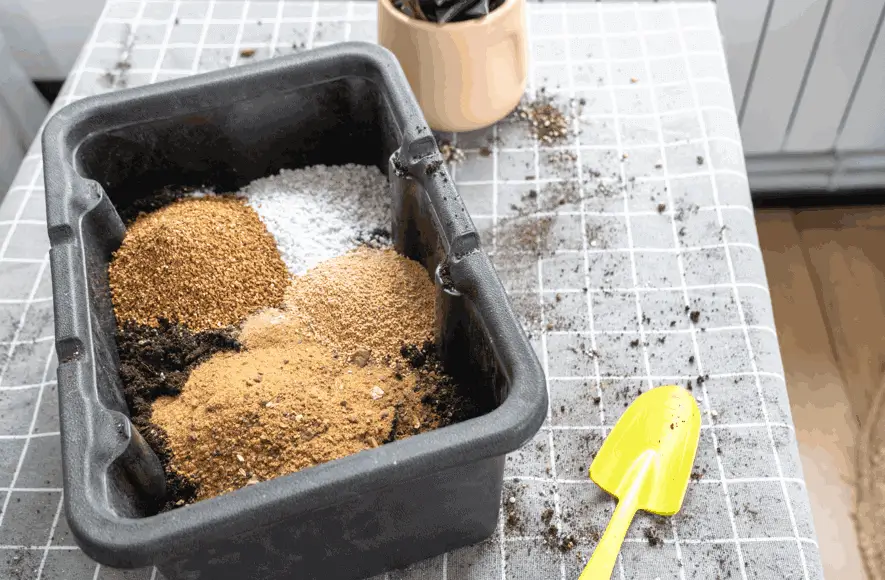
Dry soil in containers can quickly stress your plants, leading to weak growth, wilting, and poor fruit production. Whether caused by poor watering habits, compacted soil, or environmental conditions, this common issue can be corrected with the right approach. In this guide, you’ll learn practical and effective methods to restore moisture balance and keep your container plants thriving.
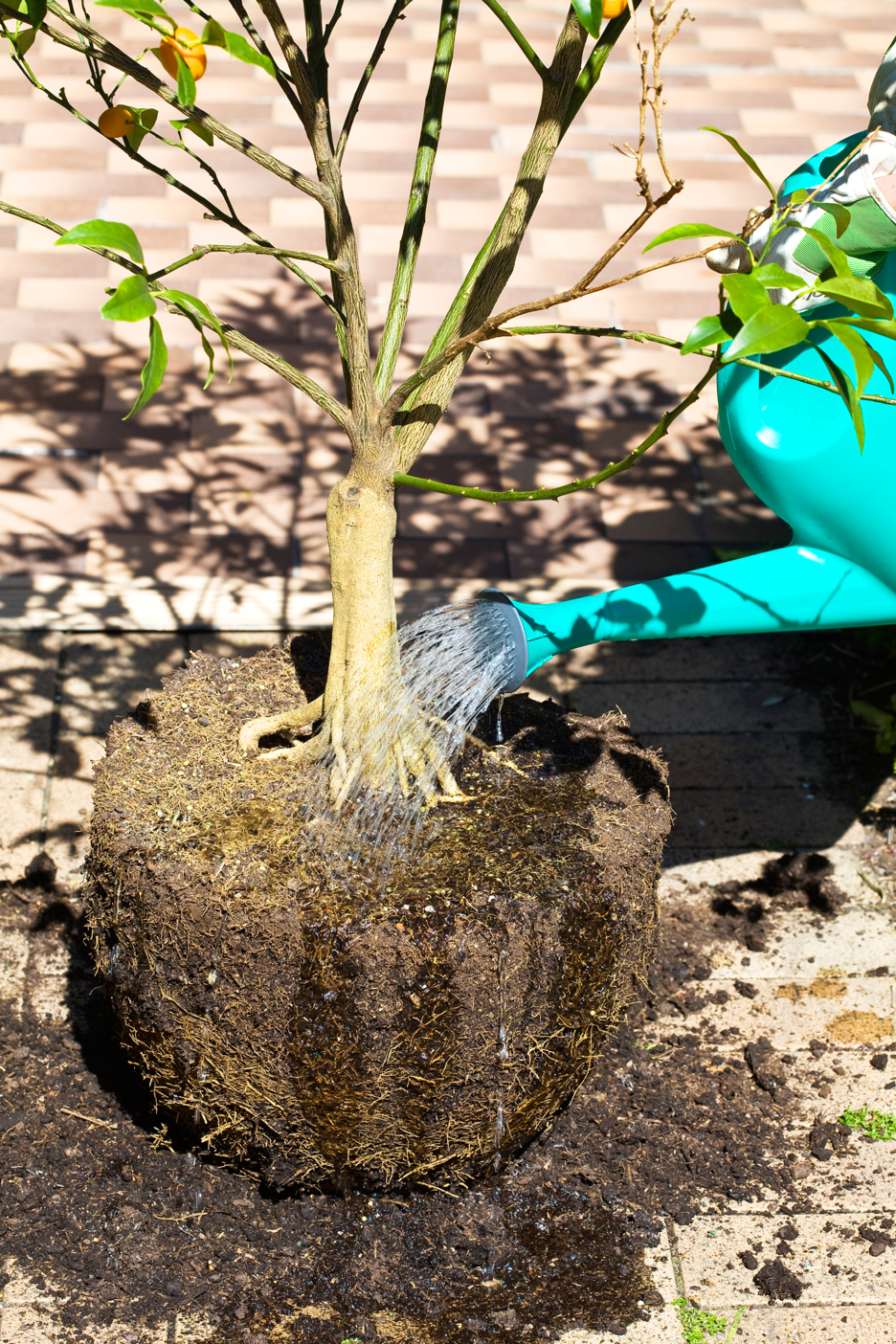
Why Fixing Dry Soil in Containers Matters for Fruit Gardening
Container fruit gardening is different from growing in the ground. Pots hold limited soil, drain faster, and heat up quickly—especially on balconies and rooftops. When soil dries out too much, several problems happen at once:
- Roots stop absorbing water properly, even after watering
- Nutrients become unavailable, leading to weak growth
- Flowers and young fruits drop prematurely
- Leaves curl, yellow, or burn at the edges
Dry container soil often becomes hydrophobic, meaning it repels water instead of absorbing it. This is especially common with old potting mixes or peat-based soils that have dried out completely.
If you’ve noticed issues like wilting during mild weather or soil that stays dry minutes after watering, it’s time to act. Many gardeners assume the plant is the problem, but in reality, the soil structure is failing. Learning how to fix dry soil in containers protects your investment in plants, pots, and time—and leads to healthier harvests.
How to Identify Dry and Water-Repellent Soil in Containers
Before fixing the problem, confirm that dry soil is truly the issue. Look for these clear signs:
- Water runs straight through the pot without soaking in
- Soil surface looks cracked, dusty, or shrunken from pot edges
- Pot feels extremely light even after watering
- Plants wilt quickly on warm days despite frequent watering
A simple test: pour water slowly onto the soil. If it pools on top or drains out immediately, your soil structure needs help.
This problem often appears alongside symptoms like nutrient stress or leaf discoloration. If your plants also show yellowing, reviewing a guide on why container fruit trees develop yellow leaves can help you rule out combined issues.
Step-by-Step: How to Fix Dry Soil in Containers (Beginner Method)
Step 1: Rehydrate the Soil Slowly and Deeply
Never try to fix dry container soil with fast, heavy watering. Instead:
- Water slowly until the surface darkens
- Pause for 5–10 minutes
- Water again to allow deeper penetration
For severe cases, place the pot in a shallow tray of water for 20–30 minutes so moisture rises from the bottom. This bottom-watering method is excellent for reviving extremely dry mixes.
Step 2: Break the Water-Repellent Barrier
If water still runs through:
- Use a chopstick, wooden skewer, or thin stick
- Gently poke holes around the soil surface
- Avoid damaging major roots
This creates channels that help water reach deeper layers.
Step 3: Add Moisture-Retaining Organic Matter
One of the most effective long-term fixes is improving soil composition. Mix in:
- Finished compost
- Coco coir
- Well-rotted leaf mold
These materials act like sponges, holding water while still allowing airflow. If you’re unsure what blend works best, learning about the best soil mix for container fruit trees will help you choose the right balance.
Step 4: Refresh or Replace Old Potting Mix
If your soil is more than 1–2 years old, replacement may be necessary. Old potting mixes break down, lose structure, and stop holding moisture evenly.
When repotting:
- Remove ⅓ to ½ of the old soil
- Replace with fresh, high-quality potting mix
- Water thoroughly to settle the roots
This is also a good time to evaluate whether your pot size is still suitable for the plant’s root system.
Mulching: The Most Overlooked Solution for Dry Containers
Mulch isn’t just for garden beds—it’s essential for pots.
Best Mulch Options for Containers
- Straw or dried grass
- Shredded bark
- Coco husk chips
- Compost layer (2–3 cm)
Mulch reduces evaporation, regulates temperature, and keeps soil moist longer. Gardeners growing on balconies often skip this step, but it makes a huge difference—especially in summer.
If you’re choosing pots for fruit plants, pairing mulch with containers designed for healthy root systems improves moisture control even more.
Choosing the Right Containers to Prevent Dry Soil
The container itself plays a major role in how fast soil dries out.
Containers That Dry Too Fast
- Thin plastic pots
- Small terracotta pots
- Dark-colored containers in full sun
Better Options for Moisture Retention
- Fabric grow bags (balanced drainage + moisture)
- Thick ceramic or glazed pots
- Light-colored containers that reflect heat
If you’re starting fresh or upgrading your setup, understanding which containers work best for balcony fruit trees can save you from constant watering problems.
Watering Techniques That Actually Work
Water Deep, Not Often
Frequent light watering creates shallow roots and dry lower soil layers. Instead:
- Water until excess drains out
- Allow the top 2–4 cm to dry before watering again
Best Time to Water
- Early morning (best)
- Late afternoon (acceptable)
- Avoid midday heat
Consistent watering habits are especially important for beginners learning container fruit gardening basics, where small mistakes have faster consequences.
Common Mistakes Beginners Make with Dry Container Soil
1. Using Garden Soil in Pots
Garden soil compacts easily and dries unevenly in containers.
2. Skipping Mulch
Bare soil loses moisture rapidly, especially in windy balconies.
3. Overcompensating with Fertilizer
Dry soil + fertilizer = root burn. Always fix moisture first.
4. Ignoring Pot Size
Small pots dry out far faster than appropriately sized containers.
5. Letting Soil Fully Dry Repeatedly
Once soil becomes hydrophobic, the problem worsens each time it dries completely.
Avoiding these mistakes will dramatically reduce stress on your fruit plants and improve yields.
Tools and Materials That Help Fix Dry Soil in Containers
You don’t need expensive equipment, but a few tools help a lot:
- Moisture meter (optional but helpful for beginners)
- Watering can with fine rose
- Organic compost
- Coco coir or moisture-retentive potting mix
- Mulch material
These small investments support long-term success, especially when growing fruit plants in limited spaces.
FAQ: Fixing Dry Soil in Containers
Why does my container soil stay dry even after watering?
Because the soil has become water-repellent. Slow watering, bottom watering, and organic amendments help restore absorption.
Can dry soil kill fruit plants?
Yes. Prolonged dry conditions damage roots, reduce nutrient uptake, and can eventually kill the plant.
How often should I water container fruit plants?
There’s no fixed schedule. Water when the top layer dries slightly, but always deeply.
Is coco coir better than peat for dry soil?
Yes. Coco coir rehydrates more easily and holds moisture more evenly.
Should I replace all the soil if it’s very dry?
If the soil is old and compacted, partial or full replacement is often the best solution.
Conclusion: Healthy Soil Means Healthy Fruit Plants
Dry soil in containers is a solvable problem—and fixing it transforms your results. By rehydrating soil properly, improving its structure, choosing the right containers, and using mulch wisely, you can maintain consistent moisture without overwatering. For beginner and home gardeners, learning how to fix dry soil in containers is a foundational skill that leads to stronger roots, better growth, and more reliable fruiting. Start with one or two changes today, observe how your plants respond, and adjust gradually. Healthy container soil is the key to successful fruit gardening in small spaces.