
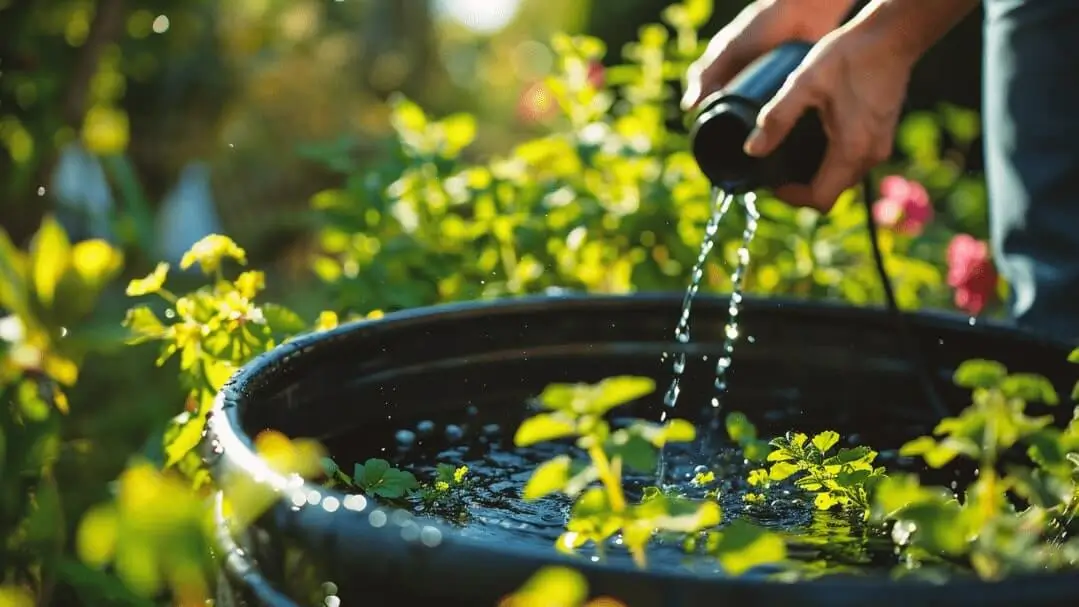
If your container fruit plants seem thirsty no matter how often you water them, poor water absorption may be the hidden problem. Many beginner gardeners struggle with soil that drains too quickly or repels water, leaving roots dry and stressed. Learning how to improve water absorption in container fruit plants is essential for healthy growth, better nutrient uptake, and higher fruit yields. In this beginner-friendly guide, you’ll discover simple, practical techniques to help your plants absorb water efficiently and thrive in any small-space garden.
Why Improving Water Absorption Matters in Container Fruit Gardening
Container-grown fruit plants rely entirely on you for water availability. Unlike garden soil, containers:
- Dry out faster
- Have limited root space
- Lose nutrients and moisture through drainage
- Are more sensitive to poor soil structure
When water absorption is poor, roots may stay dry even after watering, leading to:
- Wilting despite frequent watering
- Weak root development
- Poor flowering and fruit set
- Increased salt buildup and nutrient lockout
Improving water absorption helps ensure that every watering actually benefits the plant, not just the surface of the soil or the ground below the pot.
If you’re already following a basic watering routine, improving absorption is the next step toward stronger, more productive plants — especially for figs, citrus, berries, and dwarf fruit trees.
Common Causes of Poor Water Absorption in Pots
Before fixing the problem, it’s important to understand what’s going wrong.
1. Hydrophobic (Water-Repellent) Soil
Dry potting mixes can become hydrophobic, meaning water beads on the surface and runs off instead of soaking in.
2. Compacted or Old Potting Mix
Over time, soil particles break down and compress, reducing air spaces that allow water to move evenly.
3. Incorrect Potting Mix
Many generic potting soils drain too fast or lack organic matter needed to hold moisture.
4. Root-Bound Plants
Roots circling the pot repel water and prevent it from reaching the center of the root mass.
5. Poor Watering Technique
Quick surface watering often fails to penetrate deeply enough.
Step-by-Step: How to Improve Water Absorption in Containers
Step 1: Rehydrate Dry Soil Properly
If water runs straight through the pot, don’t keep adding more from the top.
What to do instead:
- Place the pot in a tray or bucket of water
- Let it soak from the bottom for 20–40 minutes
- Allow excess water to drain fully
Bottom watering helps dry soil absorb moisture evenly again.
Step 2: Improve Potting Mix Structure
Healthy soil structure is the foundation of good water absorption.
Ideal container mix should include:
- High-quality potting soil
- Compost or worm castings (10–20%)
- Coco coir or peat moss for moisture retention
- Perlite or pumice for aeration
Avoid garden soil — it compacts easily and blocks water movement.
If you’re growing citrus or figs, improving soil structure also supports consistent moisture, which is essential for fruit quality. You may find this especially useful alongside proper watering techniques for container fruit trees already discussed on GrowFruitly.
Step 3: Use Organic Matter to Hold Moisture
Organic matter acts like a sponge.
Best options:
- Finished compost
- Leaf mold
- Worm castings
Mix gently into the top few inches or fully incorporate during repotting. This improves both water absorption and nutrient availability.
Step 4: Water Slowly and Deeply
Fast watering causes runoff.
Better technique:
- Water in stages
- Apply water slowly until the surface is moist
- Pause 1–2 minutes
- Water again until it drains from the bottom
This allows soil particles time to absorb moisture evenly.
If you grow figs, this pairs perfectly with a structured approach like the one explained in the fig tree watering guide for containers, helping prevent fruit drop and leaf stress.
Step 5: Mulch the Soil Surface
Mulch reduces evaporation and improves absorption over time.
Best mulches for containers:
- Straw
- Bark chips (fine)
- Coconut husk chips
- Shredded leaves
Apply a 2–4 cm layer, keeping it slightly away from the stem.
Step 6: Choose the Right Container
Container material affects water behavior.
Best options for water absorption:
- Plastic or glazed ceramic (retain moisture longer)
- Fabric grow bags (good balance of drainage and absorption when watered slowly)
Terracotta dries out quickly and often worsens absorption problems unless watered carefully.
If you’re growing citrus, container choice works hand-in-hand with proper moisture control — especially when following best practices for watering citrus trees in containers.
Soil Additives That Help Water Absorption (Optional)
These are useful but not mandatory.
- Coco coir – Excellent for rehydration
- Vermiculite – Holds water and nutrients
- Wetting agents (organic) – Useful for severely hydrophobic soil
Avoid synthetic water crystals for edible plants unless clearly labeled food-safe.
Common Mistakes Beginners Make
Overwatering to “Fix” Dry Soil
Adding more water too quickly often worsens runoff.
Ignoring Drainage Balance
Good absorption doesn’t mean poor drainage — both are essential.
Never Refreshing Potting Mix
Old soil loses structure. Refresh or repot every 1–2 years.
Letting Salt Build Up
Fertilizer salts reduce water uptake. If leaves burn at the edges, check for salt accumulation and flush the soil occasionally — especially important if you fertilize often.
Tools That Make Water Absorption Easier
- Watering can with rose head
- Moisture meter (basic, not mandatory)
- Self-watering containers for balconies
- Large saucers for bottom watering
These tools don’t replace good soil, but they make consistent care easier.
FAQ: How to Improve Water Absorption
Why does water run straight through my pot?
Dry or compacted soil becomes water-repellent. Bottom watering and soil amendment usually fix this.
How often should I water container fruit plants?
Water when the top 3–5 cm of soil feels dry, not on a fixed schedule.
Can mulch really help water absorption?
Yes. Mulch reduces evaporation and helps soil rehydrate more evenly.
Is bottom watering safe for fruit plants?
Yes, occasionally. Just allow excess water to drain afterward.
Does fertilizer affect water absorption?
Excess fertilizer causes salt buildup, which reduces root water uptake.
Conclusion: Turn Watering Into Real Root Hydration
Learning how to improve water absorption transforms container fruit gardening from guesswork into confident care. By fixing soil structure, watering slowly, using mulch, and choosing the right containers, you ensure water actually reaches the roots — where it matters most.
Your next steps:
- Test one pot for runoff issues
- Rehydrate dry soil using bottom watering
- Add organic matter or mulch
- Adjust your watering technique
Small changes make a big difference. With better absorption, your container fruit plants will grow stronger, fruit better, and stay healthier — even in limited spaces.