
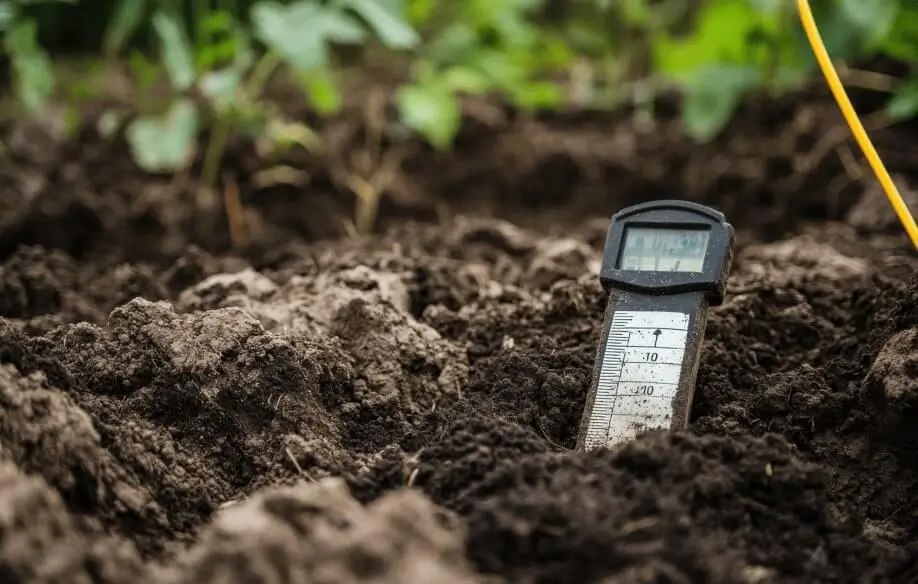
Keeping the right amount of moisture in container soil is one of the biggest challenges in growing fruit plants successfully. Pots dry out faster than garden beds, especially during hot weather, windy days, or peak summer conditions. Without proper moisture retention, fruit plants can become stressed, produce fewer fruits, and develop weak roots.
Learning how to improve soil moisture retention helps container fruit plants stay hydrated longer, reduces watering frequency, and creates healthier growing conditions. With the right soil mix, mulching techniques, and watering habits, you can maintain consistent moisture levels and support stronger plant growth all season long.
Why Soil Moisture Retention Matters for Container Fruit Gardening
Container fruit plants depend entirely on you for water management. Unlike in-ground trees, their roots cannot search deeper for moisture, making soil structure and water-holding capacity critical.
When the container soil dries out too quickly:
- Roots stop absorbing nutrients.
- Flowers and young fruit drop prematurely
- Leaf edges burn or curl.
- Growth becomes stunted
On the other hand, soil that holds moisture too tightly can suffocate roots and invite fungal problems. The goal is balanced moisture — soil that stays damp longer while still draining excess water.
This balance is especially important for:
- Citrus trees in pots
- Strawberries and blueberries
- Figs, dwarf apples, and stone fruits
- Hot-climate balcony or patio gardens
If you’ve struggled with soil drying out daily, improving moisture retention will dramatically reduce watering stress and improve yields.
Step-by-Step Soil Moisture Retention Tips That Actually Work
1. Start With a Moisture-Retentive Soil Base
Most cheap potting mixes drain too fast for fruit plants. A high-quality mix should hold water without becoming soggy.
Look for potting soil that includes:
- Coconut coir or peat moss for water retention
- Compost for organic matter
- Perlite or pumice for airflow
If your soil dries out within hours, it likely lacks organic matter. Improving soil structure is often more effective than increasing watering frequency. If your mix already struggles with performance, this guide on improving poor potting soil explains how to rebuild it without repotting.
2. Use Coconut Coir for Long-Lasting Moisture
Coconut coir is one of the best materials for retaining moisture in containers. It absorbs water slowly and releases it gradually, keeping roots hydrated longer than peat-based mixes alone.
Benefits of coconut coir:
- Holds up to 10x its weight in water
- Improves soil structure over time
- Resists compaction
A 20–30% coir blend is ideal for most container fruit plants. If you’re unsure how to use coconut coir correctly, this complete guide explains ratios, preparation, and mistakes to avoid.
3. Balance Drainage With Moisture-Holding Amendments
Many gardeners overdo drainage materials, causing water to rush straight through the pot. While drainage is important, fruit plants need soil that holds moisture between waterings.
Instead of excessive perlite, use:
- Compost (10–20%)
- Worm castings (5–10%)
- Fine pine bark
If you’re confused about common soil additives, understanding the difference between perlite and vermiculite for containers will help you choose the right balance for moisture retention.
4. Mulch the Soil Surface (Yes, Even in Pots)
Mulching is one of the most underrated ways to retain soil moisture in containers. A mulch layer reduces evaporation, shields roots from heat, and keeps soil evenly moist.
Best mulches for container fruit plants:
- Pine bark fines
- Straw or dried leaves
- Coco husk chips
- Compost mulch
Apply a 2–5 cm layer, keeping mulch away from the trunk. If you’ve never mulched containers before, this guide on mulching fruit trees in containers shows exactly how to do it safely.
5. Choose the Right Container Size and Material
Small pots dry out faster — no matter how good the soil is. As fruit plants grow, their root systems demand more stable moisture.
Container tips for better moisture retention:
- Size up gradually as the plant grows.
- Use plastic, glazed ceramic, or fabric pots with liners.
- Avoid thin metal containers that heat quickly.
If your soil dries daily despite good care, the pot itself may be the problem.
6. Water Deeply, Not Frequently
Light, shallow watering encourages surface roots and faster drying. Deep watering saturates the entire root zone and improves moisture retention over time.
Best watering practices:
- Water until it drains from the bottom
- Allow the top 2–3 cm of soil to dry before watering again.
- Water early morning or evening
If soil hardens or repels water, compaction may be limiting absorption. Learn how to fix this issue with these tips to prevent soil compaction in containers.
Common Soil Moisture Retention Mistakes Beginners Make
Overusing Drainage Materials
Too much perlite or gravel causes water to drain before roots can absorb it.
Skipping Mulch
Bare soil loses moisture rapidly through evaporation.
Using Old, Depleted Soil
Old mixes lose structure and water-holding ability. Recognizing the signs your soil needs changing can save your plants.
Watering on a Schedule
Always water based on soil moisture, not the calendar.
Ignoring Climate Factors
Wind, heat, and sun exposure drastically affect how fast soil dries.
Tools, Soil & Care Tips That Improve Moisture Retention
Moisture Meters
Helpful for beginners learning when to water.
Self-Watering Containers
Excellent for balconies or hot climates.
Drip Irrigation for Pots
Provides slow, consistent moisture.
Shade Management
Partial shade during extreme heat reduces evaporation.
Regular Soil Refreshing
Top up compost or organic matter every season to maintain structure.
FAQ: Soil Moisture Retention Tips for Containers
How do I know if my container soil dries out too fast?
If the soil feels dry within hours of watering or plants wilt daily, moisture retention is insufficient.
Is peat moss better than coconut coir?
Coconut coir is more sustainable and rehydrates more effectively after drying.
Can I use garden compost to retain moisture?
Yes, but only well-finished compost. Poor compost can compact soil and reduce airflow.
How often should I water moisture-retentive soil?
Less frequently but more deeply — usually every 2–4 days, depending on the weather.
Do fabric pots dry faster?
Yes, but lining them or increasing organic matter can offset moisture loss.
Conclusion: Build Soil That Holds Water, Not Stress
Successful container fruit gardening isn’t about constant watering — it’s about smart soil design. By improving organic matter, balancing drainage, mulching properly, and choosing the right containers, you can dramatically increase soil moisture retention while keeping roots healthy. These soil moisture retention tips reduce plant stress, save time, and lead to stronger growth and better fruiting. Start by adjusting your soil mix, add mulch, and water deeply. Small changes make a big difference. With the right setup, your container fruit plants will thrive — even in hot, dry conditions.