
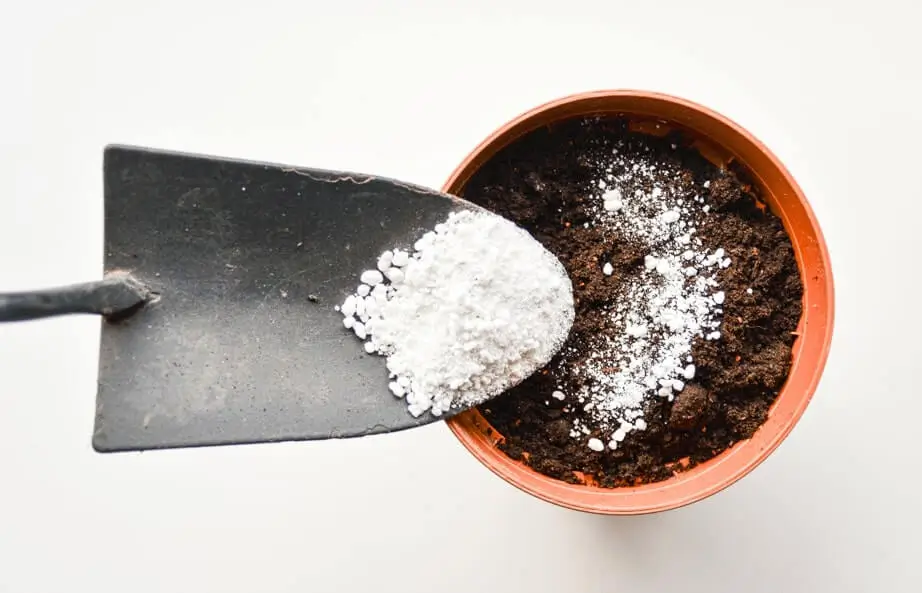
Salt buildup in container fruit plants is a common but often overlooked problem that can quietly damage roots, reduce nutrient uptake, and stunt growth. Over time, minerals from fertilizers and tap water accumulate in the soil, leading to unhealthy plants and poor harvests. In this beginner-friendly guide, you’ll learn how to prevent salt buildup in container fruit plants using simple, effective techniques that keep your soil fresh, balanced, and productive.
Why Preventing Salt Buildup Matters in Container Fruit Gardening
Salt buildup is far more common in containers than in ground soil—and it’s one of the top reasons container fruit plants decline unexpectedly.
What Is Salt Buildup?
Salt buildup occurs when dissolved salts from fertilizers, tap water, and soil amendments accumulate in the potting mix. Because containers have limited soil volume, excess salts have nowhere to go unless actively flushed out.
Why Containers Are at Higher Risk
- No natural rainwater leaching
- Frequent fertilization
- Limited drainage volume
- Repeated watering with mineral-rich tap water
Over time, this leads to root stress, nutrient lockout, and dehydration, even when the soil looks moist.
Common Symptoms in Fruit Plants
- White or yellow crust on soil surface or pot rim
- Brown or crispy leaf edges
- Wilting despite regular watering
- Stunted growth and poor fruiting
If you’re already dialing in proper watering (see this guide on watering citrus trees in containers), preventing salt buildup is the next critical step.
How Salt Buildup Affects Roots, Nutrients, and Fruit Production
Salt buildup doesn’t just sit on the soil surface—it directly interferes with plant physiology.
Root Damage and Water Stress
Excess salts increase osmotic pressure, making it harder for roots to absorb water. The plant essentially becomes thirsty in wet soil.
Nutrient Lockout
High salt levels block the uptake of:
- Calcium
- Magnesium
- Potassium
This often leads gardeners to over-fertilize, which worsens the problem.
Reduced Flowering and Fruit Set
Fruit plants under salt stress prioritize survival, not production—resulting in:
- Fewer blossoms
- Smaller fruits
- Premature fruit drop
Maintaining proper moisture balance and air humidity (explained in humidity needs for fruit trees) helps, but salt control is essential.
How to Prevent Salt Buildup: Step-by-Step Best Practices
1. Leach the Soil Regularly (The Most Important Step)
Soil leaching means flushing excess salts out of the potting mix using clean water.
How to do it:
- Water slowly until water runs freely from drainage holes
- Continue watering for 1–2 minutes
- Let the pot drain completely
How often:
- Every 4–6 weeks during the growing season
- Monthly for heavily fertilized fruit plants
This single habit prevents most salt-related issues.
2. Use Low-Salt or Balanced Fertilizers
Many beginners unknowingly cause salt buildup through fertilizer misuse.
What to Avoid
- Cheap synthetic fertilizers with high salt index
- Frequent “small dose” feeding without flushing
- Fertilizing dry soil
Better Options
- Slow-release organic fertilizers
- Liquid feeds diluted to ½ strength
- Compost-based nutrients
If you’re feeding berries or figs, align fertilizing with proper watering routines (see watering berry plants in containers).
3. Improve Drainage with the Right Potting Mix
Poor drainage traps salts near the root zone.
Ideal Container Mix for Fruit Plants
- 40–50% quality potting soil
- 25–30% perlite or pumice
- 20–30% compost or coco coir
Avoid garden soil—it compacts and worsens salt retention.
4. Choose Containers That Allow Salts to Escape
Best Container Features
- Multiple drainage holes
- Elevated feet or pot risers
- Breathable materials (terracotta preferred)
Plastic pots are fine—but only if drainage is excellent.
5. Use Better Water When Possible
Tap water often contains dissolved salts, especially in hot or coastal regions.
Water Options Ranked Best to Worst
- Rainwater
- Filtered water
- Tap water (left standing 24 hours)
If tap water is your only option, increase leaching frequency.
6. Top-Flush the Soil Surface
White crust on the surface is a warning sign.
What to do:
- Gently scrape off the top 1–2 cm of soil
- Replace with fresh potting mix or compost
- Flush thoroughly
This pairs well with leaf hydration strategies like misting fruit trees safely.
Common Beginner Mistakes That Cause Salt Buildup
❌ Over-Fertilizing “Just in Case”
More nutrients ≠ better growth.
❌ Watering Lightly and Frequently
This concentrates salts near roots instead of washing them away.
❌ Ignoring Drainage
Even perfect soil fails without proper drainage holes.
❌ Never Replacing Old Potting Mix
After 12–18 months, container soil accumulates salts and compacts.
Tools, Soil, and Care Tips to Minimize Salt Stress
Helpful Tools
- Moisture meter (avoid dry-soil fertilizing)
- EC/TDS meter (optional but useful)
- Pot risers for airflow
Annual Maintenance Checklist
- Repot every 1–2 years
- Refresh topsoil every season
- Flush monthly during active growth
For fruit trees like figs, combining these steps with correct watering depth (see watering fig trees in containers) dramatically improves health.
FAQ: Preventing Salt Buildup in Container Plants
How do I know if salt buildup is harming my plant?
White crust on soil, leaf burn, and poor growth are key indicators.
Can salt buildup kill fruit plants?
Yes—if untreated, it can cause root failure and plant death.
Is flushing soil safe for fruit trees?
Absolutely, as long as containers drain freely.
How often should I flush container soil?
Every 4–6 weeks during the growing season.
Does organic fertilizer prevent salt buildup?
It reduces risk but doesn’t eliminate the need for leaching.
Conclusion: Keep Your Containers Salt-Free and Productive
Learning how to prevent salt buildup is one of the most important skills in container fruit gardening. With regular soil leaching, smart fertilizing, good drainage, and quality water, you can avoid most problems before they start.
Your next steps:
- Flush your containers this week
- Check drainage holes
- Reduce fertilizer strength
- Plan a seasonal soil refresh
Healthy soil equals healthy roots—and healthy roots grow better fruit. 🍎🍊