
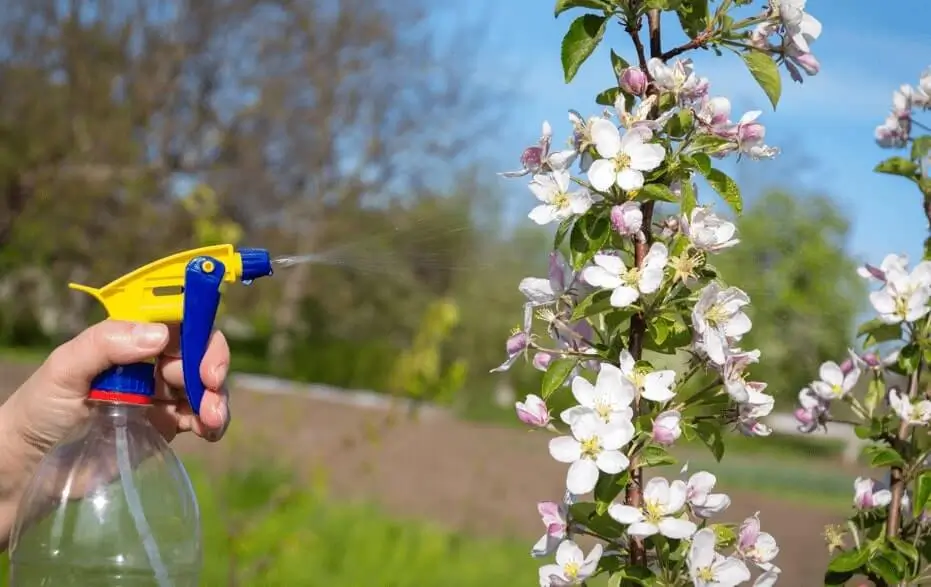
Choosing the right fertilizer can make a huge difference when growing fruit trees in containers. Many gardeners struggle to decide between liquid and granular fertilizer because each option offers different benefits for growth, fruit production, and ease of use. Understanding how both fertilizers work helps container fruit trees stay healthy, productive, and easier to maintain in small spaces.
Why Liquid vs Granular Fertilizer Matters for Container Fruit Gardening
Container fruit trees live in a limited ecosystem. Every nutrient they receive must come from watering, potting mix, and fertilizer. That’s why fertilizer form matters more in pots than in the ground.
Unique challenges of fertilizing fruit trees in containers
- Limited soil volume means nutrients are depleted quickly.
- Frequent watering washes nutrients out of drainage holes.
- Root systems with restricted root systems need precise, balanced feeding.
- Fast temperature changes affect nutrient uptake.
Using the wrong fertilizer type—or applying it incorrectly—can stress your tree rather than help it grow.
If you’re still learning the fundamentals of growing trees in pots, start with this complete guide to container fruit gardening for beginners, which explains how nutrition fits into the bigger picture of container care.
What Is Liquid Fertilizer?
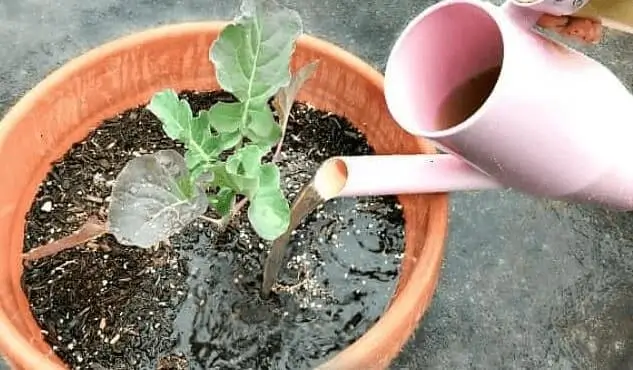
Liquid fertilizer is a water-soluble feed that delivers nutrients directly through watering. It’s either diluted from a concentrate or applied ready-to-use.
Key characteristics of liquid fertilizer
- Nutrients are immediately available to roots.
- Fast absorption and quick results
- Applied every 1–2 weeks during active growth
- Easy to adjust dosage
Pros of liquid fertilizer for fruit trees
- Ideal for young trees and seedlings
- Quickly corrects nutrient deficiencies.
- Excellent during flowering and fruit set
- Works well with frequent container watering
Cons of liquid fertilizer
- Short-lived feeding effect
- Easy to overapply if not diluted properly
- Requires frequent reapplication
Liquid fertilizer is best seen as a precision tool—great when your tree needs fast support.
What Is Granular Fertilizer?
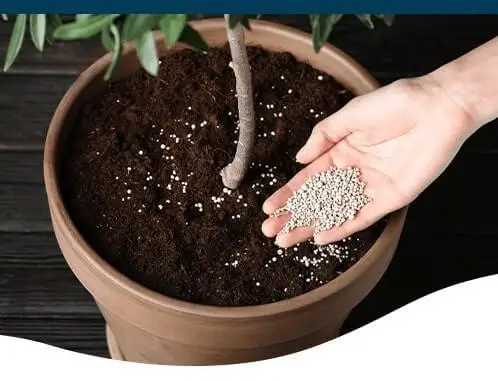
Granular fertilizer comes in solid pellets or granules and is mixed into the soil or spread on the surface.
Key characteristics of granular fertilizer
- Nutrients are released slowly over weeks or months.
- Often labelled as slow-release or controlled-release
- Applied less frequently (every 2–4 months)
Pros of granular fertilizer for fruit trees
- Provides steady, long-term nutrition
- Lower risk of nutrient spikes
- Convenient for busy gardeners
- Excellent for established container trees
Cons of granular fertilizer
- Slower response time
- Harder to fix deficiencies quickly
- Overapplication can cause salt buildup.
Granular fertilizer works best as a foundation feeding strategy.
Liquid vs Granular Fertilizer for Fruit Trees: Side-by-Side Comparison
| Feature | Liquid Fertilizer | Granular Fertilizer |
| Speed of action | Very fast | Slow, gradual |
| Application frequency | Every 1–2 weeks | Every 2–4 months |
| Best for | Quick boosts, deficiencies | Long-term feeding |
| Risk of overfeeding | Moderate–High | Low–Moderate |
| Beginner-friendly | Yes (with care) | Yes (very forgiving) |
For most container gardeners, the best approach is not choosing one, but combining both strategically.
Step-by-Step: Best Fertilizing Strategy for Container Fruit Trees
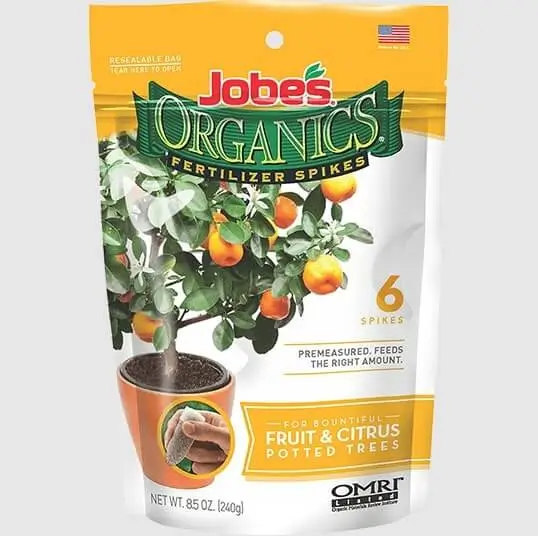
Step 1: Start with a quality potting mix
Before fertilizer even matters, your soil must drain well and hold nutrients properly. Avoid garden soil—it compacts and causes nutrient lockout. Use a container mix, similar to what’s explained in this guide on potting mix vs garden soil for fruit trees.
Step 2: Use granular fertilizer as a base feed
- Apply slow-release granular fertilizer in early spring.
- Gently mix into the top layer of soil.
- Choose formulas designed for fruit trees or citrus.
This ensures steady nutrition as roots wake up.
Step 3: Supplement with liquid fertilizer during growth
Use liquid fertilizer:
- When new leaves appear
- During flowering
- When fruit starts forming
Apply at half strength if feeding frequently.
Step 4: Adjust feeding based on tree age
- Young trees: lighter, more frequent liquid feeds
- Mature trees: stronger reliance on granular fertilizer
Step 5: Stop feeding at the right time
For most fruit trees:
- Stop fertilizing 6–8 weeks before winter dormancy.
- Resume in spring
If you’re unsure about watering frequency (which affects fertilizer loss), see this guide on how often to water fruit trees in containers.
Common Mistakes Beginners Make
1. Overfertilizing “to help growth.”
More fertilizer does not mean more fruit. Excess nutrients cause:
- Leaf burn
- Weak root systems
- Reduced fruiting
2. Using only liquid fertilizer long-term
Liquid-only feeding leads to nutrient swings and stressed trees.
3. Applying granular fertilizer to dry soil
Always water before and after applying granular fertilizer to prevent root damage.
4. Ignoring container size
Smaller pots need lighter feeding. Large containers can better handle slow-release formulas. If you’re still choosing pots, read this guide on the best containers for balcony fruit trees.
Choosing the Right Fertilizer Based on Fruit Tree Type
Citrus trees (lemon, orange, mandarin)
- Granular citrus fertilizer as base
- Liquid feed during flowering
- Extra magnesium and iron are often needed.
Apple, pear, and stone fruits
- Balanced slow-release fertilizer
- Liquid boost in spring only
Tropical and exotic fruit trees
- More frequent liquid feeding
- Lighter granular doses
Matching fertilizer type to tree biology dramatically improves results.
FAQ: Liquid vs Granular Fertilizer for Fruit Trees
Is liquid fertilizer better than granular for potted fruit trees?
Neither is universally better. Liquid fertilizer offers fast results, while granular fertilizer provides long-term nutrition. Using both strategically gives the best outcome.
Can I use only granular fertilizer in containers?
Yes, but growth may slow during peak-demand periods, such as flowering. Supplemental liquid feeding improves performance.
How often should I fertilize container fruit trees?
Granular fertilizer every 2–4 months during the growing season; liquid fertilizer every 1–2 weeks as needed.
Is organic fertilizer better than synthetic?
Organic fertilizers improve soil health and are safer for beginners, but they release nutrients more slowly.
What happens if I overfertilize a fruit tree?
Symptoms include burned leaves, excessive foliage, poor fruiting, and root damage. Flush soil with water if this happens.
Conclusion: The Smart Way to Use Liquid vs Granular Fertilizer
When it comes to liquid vs granular fertilizer for fruit trees, the smartest choice isn’t one or the other—it’s knowing when and how to use each. Granular fertilizer builds a stable nutrient foundation, while liquid fertilizer fine-tunes growth during critical stages.
For beginners growing fruit trees in containers, this balanced approach leads to healthier roots, stronger growth, and better harvests—without guesswork or wasted fertilizer.
Next steps:
- Choose a slow-release granular fertilizer for spring.
- Keep a gentle liquid feed ready for flowering and fruiting.
- Monitor your tree’s response and adjust gradually.
With the right feeding strategy, even small-space fruit trees can thrive and produce beautifully—one container at a time. 🍎🌱