
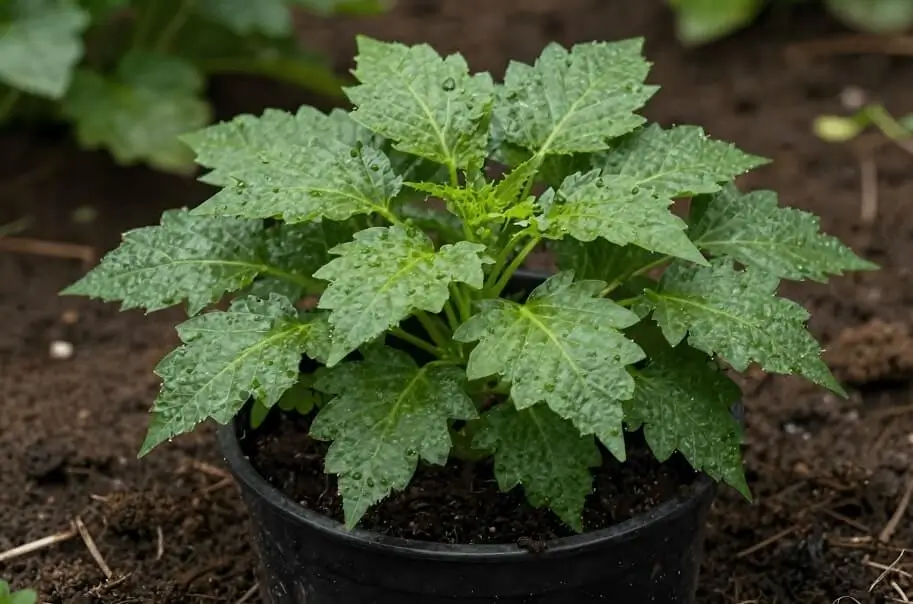
Understanding NPK is one of the most important steps in successful container fruit gardening. Nitrogen, phosphorus, and potassium each play a unique role in helping fruit plants grow healthy roots, strong leaves, and productive harvests. When gardeners learn how these nutrients work together, they can choose better fertilizers, prevent nutrient deficiencies, and grow stronger fruit trees in pots and small spaces.
Why Nitrogen, Phosphorus, and Potassium Matter in Container Fruit Gardening
Container fruit gardening is different from growing trees in the ground. Pots limit root space, soil volume, and nutrient reserves. That makes NPK balance critical.
What Is NPK?
NPK refers to the three primary macronutrients plants need in the largest amounts:
- Nitrogen (N) – leafy growth and vigour
- Phosphorus (P) – roots, flowers, and fruit development
- Potassium (K) – overall health, stress resistance, and fruit quality
The numbers on fertilizer labels represent the percentage of each nutrient by weight.
Why Containers Depend on NPK More Than Ground Soil
In containers:
- Nutrients wash out quickly with watering.
- Roots can’t search for missing elements.
- Imbalances show symptoms faster.
That’s why understanding Nitrogen, Phosphorus, Potassium, explained specifically for pots, is essential for consistent harvests.
Nitrogen Explained: The Growth Engine
What Nitrogen Does
Nitrogen fuels:
- Leaf production
- Stem growth
- Chlorophyll formation
For young or newly potted fruit trees, nitrogen helps establish strong top growth.
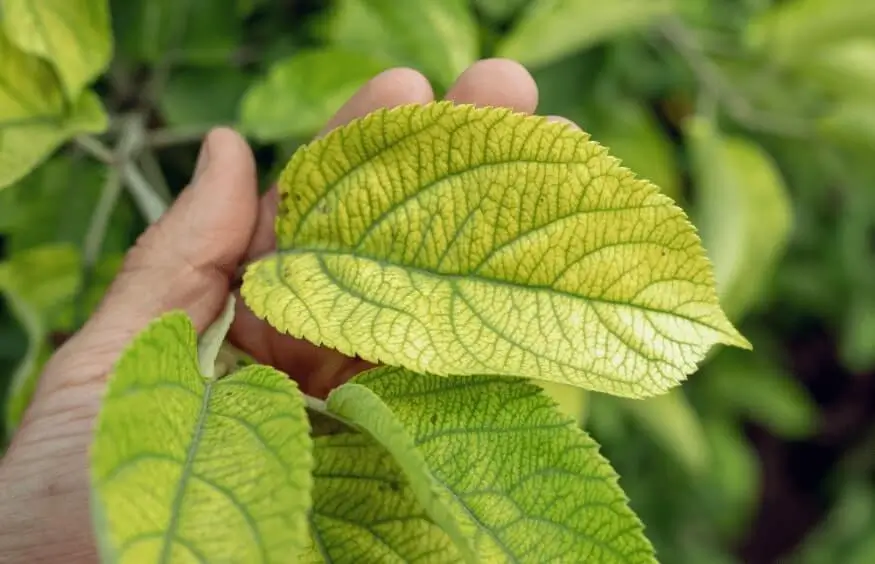
Signs of Nitrogen Deficiency
- Pale green or yellowing leaves
- Slow growth
- Thin stems
This is common when using nutrient-poor potting mixes or after heavy watering.
Too Much Nitrogen: A Common Container Problem
Excess nitrogen causes:
- Lots of leaves, few flowers
- Soft growth prone to pests
- Delayed or reduced fruiting
If your tree looks lush but never fruits, review your feeding routine and compare it with the guidance in Overfertilizing Fruit Trees: Signs and fixes.
Best Nitrogen Sources for Containers
- Balanced granular fertilizers
- Fish emulsion (quick boost)
- Compost-based blends (gentler release)
Nitrogen should be strongest in early spring and reduced once flowering begins.
Phosphorus Explained: Roots, Flowers, and Fruit Set
What Phosphorus Does
Phosphorus supports:
- Root growth
- Flower formation
- Fruit development
It’s especially important when trees transition from growth to flowering.
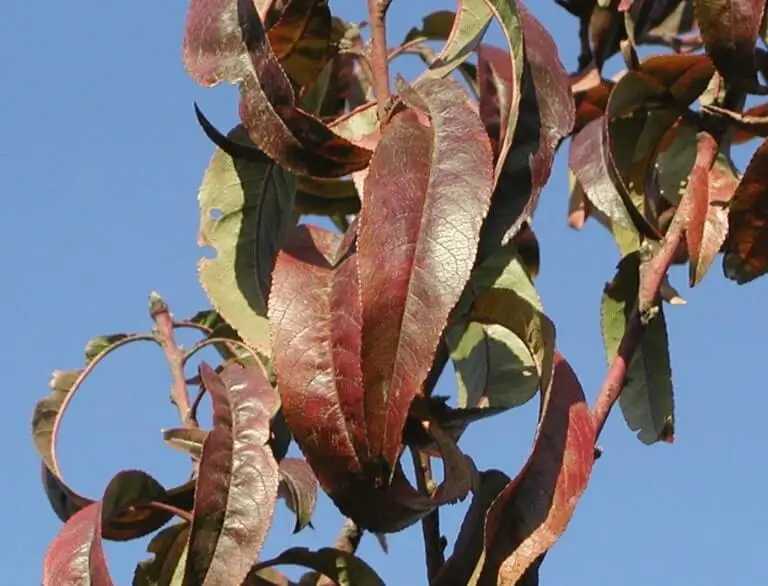
Signs of Phosphorus Deficiency
- Poor flowering
- Weak root systems
- Dark green or purplish leaves
Cold soil or incorrect pH can also block phosphorus uptake, even when it’s present. That’s why matching fertilizer to the best soil pH for fruit trees is critical.
Phosphorus in Container Mixes
Most quality potting soils contain some phosphorus, but fruiting plants often need supplemental feeding during:
- Bud formation
- Early flowering
- Fruit set
Avoid overdoing phosphorus—it accumulates easily in pots and doesn’t wash out like nitrogen.
Potassium Explained: Plant Strength and Fruit Quality
What Potassium Does
Potassium regulates:
- Water movement in plants
- Disease resistance
- Fruit size, colour, and sweetness
It’s often called the “quality nutrient.”
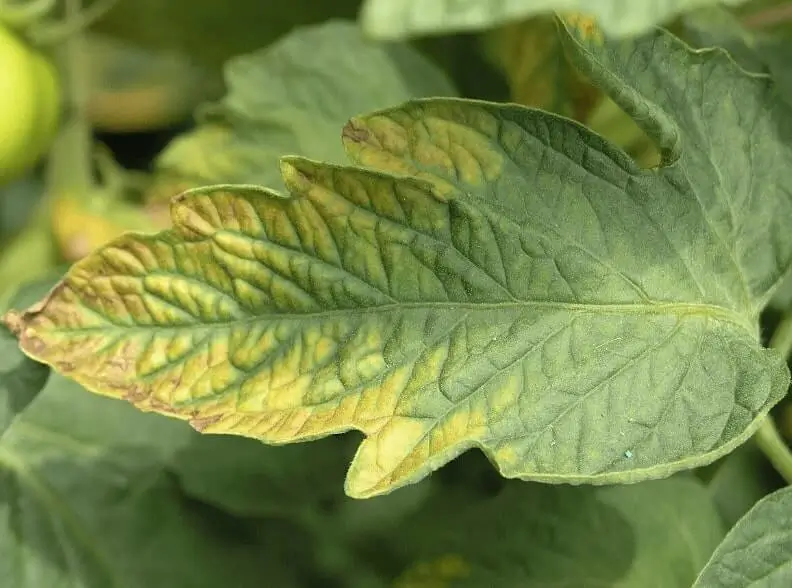
Signs of Potassium Deficiency
- Browning leaf edges
- Weak stems
- Small or bland fruit
In containers, potassium depletion is common late in the season after heavy fruiting.
Potassium for Fruiting Success
High-potassium feeds are ideal:
- During fruit development
- Late summer for perennial fruit trees
- When plants face heat or drought stress
Many gardeners pair potassium-rich feeding with organic amendments like compost—learn more about using compost for container fruit gardening.
Step-by-Step: How to Apply NPK Correctly in Containers
Step 1: Match NPK to Growth Stage
- Early spring: Higher nitrogen (e.g., 10-5-5)
- Flowering: Balanced feed (e.g., 5-5-5)
- Fruiting: Lower nitrogen, higher potassium (e.g., 4-6-8)
Step 2: Choose the Right Fertilizer Type
- Slow-release granules – steady nutrition, low risk
- Liquid fertilizers – fast correction, short-term
- Organic blends – improve soil life over time
For beginners, slow-release products, such as slow-release fertilizer for fruit trees, are the safest option.
Step 3: Apply at the Right Rate
- Follow container size guidelines.
- Never “double dose.”
- Water thoroughly after feeding
Step 4: Monitor and Adjust
Leaves tell the truth. Adjust feeding if growth or fruiting looks off.
Common NPK Mistakes Beginners Make
Overfeeding Small Pots
Small containers accumulate salts quickly, leading to root burn.
Using One Formula All Season
Fruit trees need different NPK ratios throughout the year.
Ignoring Drainage
Poor drainage traps excess nutrients. If roots sit in wet soil, NPK uptake suffers—review how to improve drainage in pots if needed.
Confusing Compost With Complete Fertilizer
Compost improves soil but rarely supplies enough NPK alone for fruiting plants.
Tools, Soil, and Care Tips for NPK Success
Choose Quality Potting Soil
Look for:
- Good drainage
- Moderate nutrient charge
- pH suited to fruit trees
Container Size Matters
Larger pots:
- Buffer nutrient swings
- Reduce overfertilization risk
- Support stable root systems.
Seasonal Feeding Routine
Combine NPK knowledge with a consistent routine like the one outlined in ” How to Feed Potted Fruit Trees Step by Step.
FAQ: Nitrogen, Phosphorus, Potassium Explained
What does NPK stand for in fertilizer?
NPK represents nitrogen (N), phosphorus (P), and potassium (K), the three primary nutrients plants need most.
Which NPK ratio is best for fruit trees in pots?
A balanced ratio like 5-5-5 works for most seasons, shifting to higher potassium during fruiting.
Can I use the same fertilizer for all fruit trees?
Yes, but adjust frequency and strength based on growth stage and container size.
Is organic fertilizer better for container fruit trees?
Organic fertilizers release nutrients slowly and improve soil health, making them beginner-friendly.
How often should I fertilize container fruit trees?
Typically, every 4–6 weeks during active growth, less often with slow-release products.
Conclusion: Mastering NPK for Healthy Container Harvests
Understanding Nitrogen, Phosphorus, Potassium explained transforms fertilizer labels from confusing numbers into powerful tools. In container fruit gardening, NPK balance determines whether your tree struggles or thrives. By matching nutrients to growth stages, choosing the right fertilizer type, and avoiding common mistakes, you set your plants up for consistent growth and flavorful harvests. Start with a balanced approach, observe your plants closely, and refine your feeding routine as the season progresses. With the right NPK strategy, even small-space gardeners can enjoy healthy trees and abundant fruit year after year.