
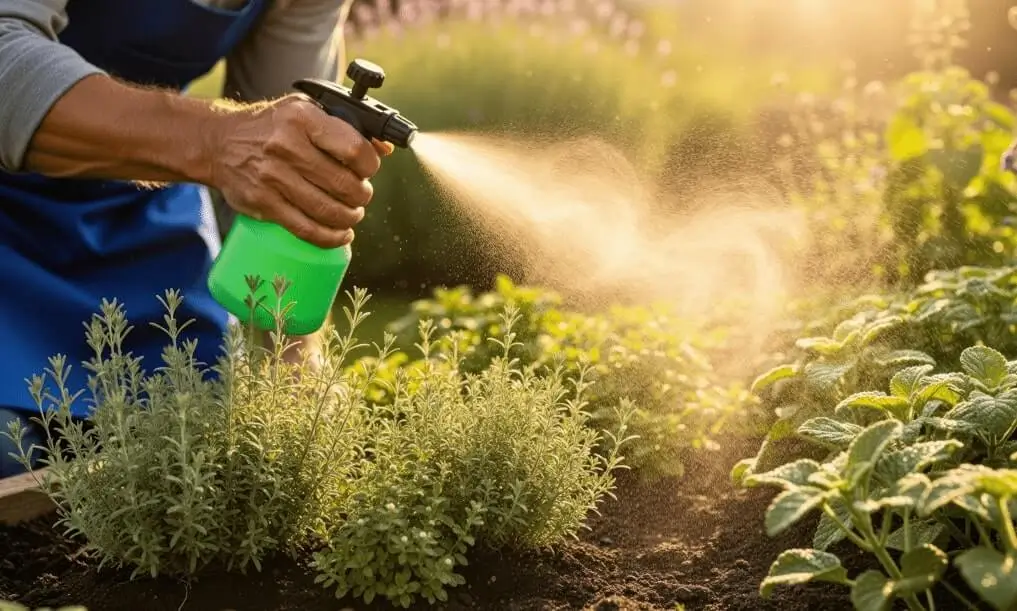
Preventing pests in container gardening is one of the most important steps to ensure healthy, productive plants—especially when growing fruit in limited spaces. Unlike traditional gardens, container plants are more vulnerable to pest infestations due to confined soil, limited airflow, and closer plant spacing. Beginners often struggle with sudden outbreaks of aphids, mites, or fungus gnats, which can quickly damage or even kill plants if not addressed early.
The good news is that pest prevention doesn’t have to be complicated. By using simple, natural techniques such as proper watering, clean soil practices, companion planting, and regular plant inspections, you can stop most pest problems before they even begin. This guide will walk you through proven strategies to protect your container plants and keep your garden thriving year-round.
Why Preventing Pests in Container Gardening Matters for Fruit Plants
Container fruit plants are more vulnerable than many gardeners expect. While pots lift plants off the ground, they also create ideal pest conditions when managed poorly.
Containers Create High-Risk Conditions
- Warm soil heats up faster, speeding up pest life cycles
- Fertilized potting mix attracts sap-sucking insects
- Limited airflow encourages fungal issues and mites
Once pests establish themselves in a container, they can multiply quickly because predators often arrive too late.
Pests Reduce Fruit Quality and Yield
Even minor infestations can:
- Distort new growth and flowers
- Cause premature fruit drop
- Spread fungal or viral diseases
If you’ve noticed sticky residue or curling leaves on your fruit plants, that’s often an early pest signal. Our guide on sticky leaves on container fruit trees explains how sap-feeding insects trigger this problem and why early prevention matters.
Prevention Is Easier Than Treatment
Treating a heavy infestation often means:
- Multiple spray applications
- Plant stress and slowed growth
- Reduced pollinator activity
Preventing pests from the start keeps your container garden healthier, more productive, and far easier to manage.
Step-by-Step Solutions for Preventing Pests in Container Gardening
1. Start With Clean, Pest-Free Soil and Plants
Pest prevention begins before planting.
- Use sterile, high-quality potting mix (never garden soil)
- Inspect nursery plants carefully — check leaf undersides and stems
- Avoid reused soil unless it’s fully refreshed and solarized
A strong foundation reduces the chance of bringing pests into your containers from day one. For help building resilient soil, see our DIY organic potting mix for fruit containers, which supports healthy roots and natural pest resistance.
2. Choose the Right Containers and Placement
Container choice directly affects pest pressure.
- Ensure excellent drainage to avoid soggy soil
- Avoid dark plastic pots in extreme heat (stress attracts pests)
- Elevate containers slightly to reduce crawling insects
Place containers where:
- Air circulates freely
- Plants receive adequate sunlight
- Leaves don’t touch walls or other plants
Crowded, shaded conditions are one of the fastest ways to invite infestations.
3. Water Correctly to Avoid Pest-Friendly Conditions
Improper watering is a major pest trigger.
Overwatering encourages:
- Fungus gnats
- Root rot pests
- Weak, soft growth that insects prefer
Best practices:
- Water only when the top 2–3 cm of soil is dry
- Water early in the morning
- Empty saucers after watering
Healthy roots lead to strong growth, and strong plants resist pests naturally.
4. Monitor Weekly and Catch Problems Early
Regular inspection is the most effective pest prevention tool.
Once a week:
- Check undersides of leaves
- Look for webbing, speckles, or holes
- Inspect new growth and flower buds
Early detection allows simple solutions like washing pests off with water instead of chemical sprays. If you want a deeper diagnosis guide, our article on common leaf damage in container fruit plants helps identify pest patterns quickly.
5. Use Physical and Cultural Barriers
Simple barriers stop pests before they reach plants.
- Sticky traps for whiteflies and fungus gnats
- Copper tape around pot rims for slugs
- Fine mesh covers during early growth
Remove:
- Fallen leaves
- Overripe fruit
- Plant debris on soil surface
Clean containers deny pests hiding places and breeding zones.
6. Encourage Beneficial Insects Naturally
Not all insects are enemies.
Helpful predators include:
- Ladybugs (aphids)
- Lacewings (mites, whiteflies)
- Hoverflies (soft-bodied pests)
Attract them by:
- Adding flowering companion plants nearby
- Avoiding broad-spectrum pesticides
- Allowing small, controlled insect populations
A balanced ecosystem is one of the strongest defenses in container gardening.
7. Use Organic Sprays Only When Necessary
When prevention isn’t enough, choose gentle treatments.
Effective organic options:
- Neem oil for aphids and mites
- Insecticidal soap for soft-bodied pests
- Horticultural oil for eggs and larvae
Apply in the evening and never in full sun. Our complete neem oil guide for container plants explains correct dilution and timing to avoid leaf damage.
Common Mistakes Beginners Make When Preventing Pests
Mistake 1: Overreacting With Chemicals
Spraying too early kills beneficial insects and weakens natural defenses.
Mistake 2: Ignoring Early Warning Signs
Sticky leaves, curled tips, or slow growth are early red flags.
Mistake 3: Overcrowding Containers
Plants touching each other create pest highways and reduce airflow.
Mistake 4: Reusing Infested Pots Without Cleaning
Always wash containers with hot water and mild soap before reuse.
Mistake 5: Feeding Too Much Nitrogen
Excess fertilizer creates soft growth that pests love.
Avoiding these mistakes instantly improves pest resistance without extra cost.
Tools, Soil, and Care Tips That Support Pest Prevention
Best Tools for Container Pest Management
- Hand lens for inspections
- Spray bottle for rinsing leaves
- Sticky cards for monitoring flying pests
Soil Choices That Reduce Pest Pressure
- Well-draining mixes
- Added compost for beneficial microbes
- Avoid constantly wet soil
Long-Term Care Habits
- Rotate container positions seasonally
- Prune weak or overcrowded growth
- Maintain consistent feeding schedules
Healthy plants are always the first line of defense.
FAQ: Preventing Pests in Container Gardening
How often should I check my container fruit plants for pests?
At least once a week, and twice weekly during warm weather or flowering.
Can container gardens really stay pest-free naturally?
Yes. While zero pests is unrealistic, balanced prevention keeps damage minimal.
Are some fruits more pest-resistant in containers?
Citrus, figs, and herbs mixed with fruit tend to resist pests better than soft berries alone.
Is neem oil safe for edible plants?
Yes, when diluted correctly and applied outside pollinator hours.
Do companion plants actually work in containers?
Yes. Herbs like basil and mint help repel pests and attract beneficial insects.
Conclusion: Build a Pest-Resistant Container Garden Step by Step
Preventing pests in container gardening isn’t about fighting insects — it’s about building a system where pests struggle to survive. With clean soil, smart watering, good airflow, regular inspections, and gentle organic tools, most problems never escalate.
Your Next Steps:
- Inspect plants weekly starting today
- Improve drainage and airflow around containers
- Add companion plants to support beneficial insects
- Address early symptoms before pests spread
With consistent care and prevention, your container fruit garden will stay productive, healthy, and enjoyable — season after season.