
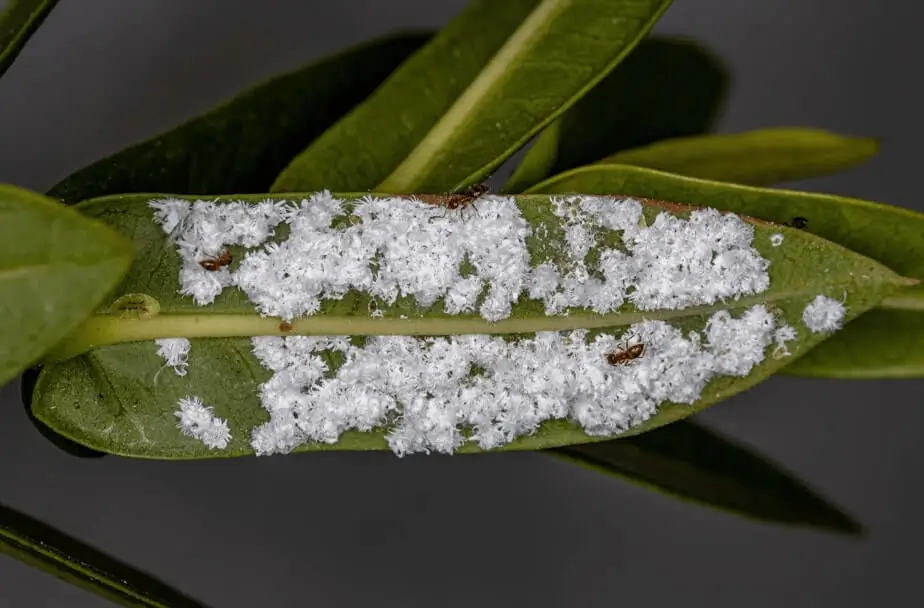
Whiteflies can quickly become a frustrating problem for balcony gardeners, especially when growing fruit plants in containers. These tiny pests feed on plant sap, weaken growth, and can spread diseases if left untreated. Because balcony spaces often have limited airflow and closely spaced plants, infestations can spread rapidly. In this guide, you’ll learn how to identify whiteflies early, understand why they appear, and apply effective, practical methods to eliminate them and keep your container fruit plants thriving.
Why Whiteflies Are a Serious Problem for Balcony Fruit Gardening
Whiteflies thrive in exactly the conditions most balcony gardeners create: warm temperatures, limited airflow, and densely packed plants. Unlike open gardens, balconies offer fewer natural predators, allowing whitefly populations to explode.
How Whiteflies Damage Fruit Plants
- Sap sucking: Weakens plants and slows growth
- Honeydew secretion: Leaves sticky residue that attracts ants
- Sooty mold growth: Blocks sunlight and reduces photosynthesis
- Disease transmission: Can spread viral plant diseases
Young fruit trees in containers—such as citrus, figs, strawberries, and peppers—are especially vulnerable. When left untreated, whiteflies can reduce flowering, stunt fruit development, and even kill stressed potted plants.
How to Identify Whiteflies on Balcony Fruit Plants (Early Signs)
Correct identification is crucial before treatment. Whiteflies are often confused with aphids or fungus gnats.
Key signs of whiteflies:
- Tiny white insects flying up when leaves are disturbed
- Clusters of pale nymphs on the underside of leaves
- Sticky honeydew residue on leaves or pots
- Black sooty mold forming on leaf surfaces
- Yellowing or curling leaves despite proper watering
If you’ve dealt with aphid infestations on potted fruit trees, you’ll notice similarities—but whiteflies are more mobile and persistent in warm balconies.
Step-by-Step Solutions to Control Whiteflies in Container Fruit Plants
Step 1: Isolate Affected Plants Immediately
Move infested pots away from healthy plants. Whiteflies spread rapidly in tight spaces, so isolation is one of the most effective first steps.
Step 2: Physically Remove Whiteflies
- Spray the underside of leaves with a strong stream of water
- Repeat every 2–3 days for one week
- Prune heavily infested leaves and discard them (do not compost)
This mechanical control significantly reduces populations before applying treatments.
Step 3: Use Yellow Sticky Traps
Place sticky cards near plant canopies to:
- Monitor infestation levels
- Capture adult whiteflies
- Reduce egg-laying activity
Sticky traps are especially useful on balconies where airflow is limited.
Step 4: Apply Organic Whitefly Treatments (Best for Edible Plants)
Neem oil spray
- Mix according to label instructions
- Spray leaf undersides thoroughly
- Apply in the evening to avoid leaf burn
Insecticidal soap
- Breaks down whitefly bodies on contact
- Safe for fruit plants when used correctly
DIY soap solution (emergency option)
- 1 teaspoon mild liquid soap per liter of water
- Test on one leaf before full application
Repeat treatments every 5–7 days until whiteflies disappear.
Balcony-Specific Prevention Strategies That Actually Work
Whiteflies return if conditions stay favorable. Prevention is essential in container gardening.
Improve Air Circulation
- Space pots apart
- Avoid overcrowding fruit plants
- Rotate pots weekly to improve airflow
This also helps prevent spider mites on fruit trees, another common balcony pest.
Avoid Over-Fertilizing
Excess nitrogen produces soft, lush growth—whiteflies love it. Use slow-release or balanced organic fertilizers.
Inspect New Plants
Many infestations start with new nursery plants. Always quarantine new additions for 7–10 days before placing them on your balcony.
Common Mistakes Beginners Make With Whitefly Control
1. Treating Only the Top of Leaves
Whiteflies live underneath leaves. Spraying only the surface is ineffective.
2. Using Chemical Pesticides Indoors
Harsh chemicals:
- Harm beneficial insects
- Cause resistance
- Are unsafe in enclosed balcony spaces
Organic methods work better long-term for containers.
3. Ignoring Early Warning Signs
Sticky leaves or a few flying insects may seem minor—but early action prevents massive infestations similar to mealybugs on potted fruit trees.
Best Tools, Containers, and Care Tips for Whitefly-Prone Balconies
Containers That Help
- Pots with good drainage reduce plant stress
- Light-colored containers reflect heat, discouraging pests
Helpful Tools
- Hand sprayer with adjustable nozzle
- Magnifying glass for underside leaf checks
- Sticky traps for monitoring
Soil Health Matters
Healthy soil supports stronger plants that resist pests. If your plants already struggle, issues like fungus gnats in potting soil may also be present—address soil problems alongside pest control.
Frequently Asked Questions About Whiteflies on Balcony Fruit Plants
Are whiteflies dangerous to humans or pets?
No, whiteflies don’t bite or harm humans or pets. The risk is to plant health and fruit production.
How long does it take to get rid of whiteflies?
With consistent treatment, most balcony infestations clear within 2–4 weeks.
Can whiteflies kill fruit plants?
Yes, severe infestations can weaken or kill container fruit plants, especially young trees.
Do whiteflies live in soil?
No. Eggs and nymphs live on leaves, but adults may rest on nearby surfaces.
Why do whiteflies keep coming back?
Warm temperatures, poor airflow, and over-fertilization encourage repeat infestations.
Conclusion: Keep Your Balcony Fruit Plants Whitefly-Free
Whiteflies on balcony fruit plants are frustrating—but completely manageable with the right approach. By acting early, treating leaf undersides properly, and improving growing conditions, you can protect your container fruit garden without harsh chemicals.
Your next steps:
- Inspect plants weekly
- Isolate and wash infested pots
- Apply neem oil or insecticidal soap consistently
- Improve airflow and reduce plant stress
A healthy, well-managed balcony garden is your best defense—not just against whiteflies, but also against pests like scale insects, aphids, and mites. With these strategies, your fruit plants can thrive season after season, even in small urban spaces. 🍋🌱