
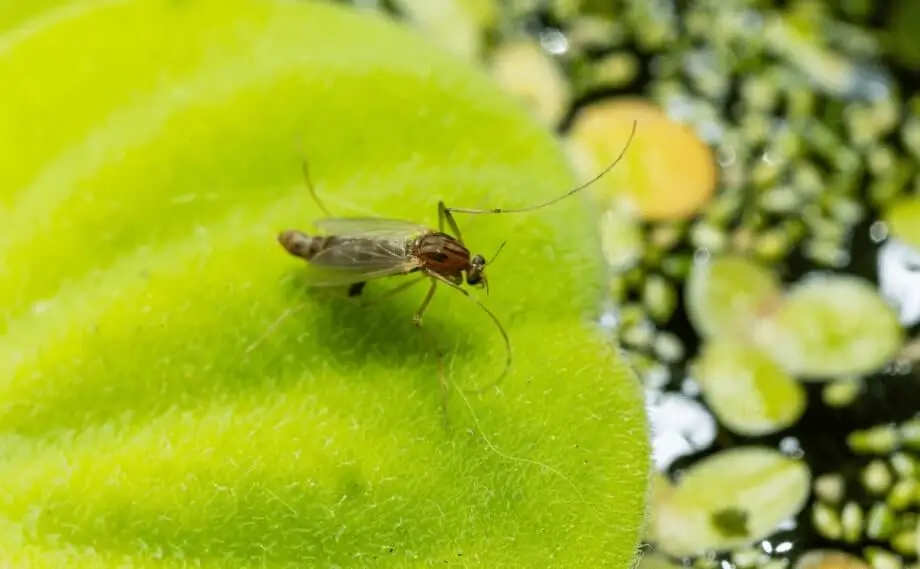
Fungus gnats are one of the most common and frustrating pests affecting container fruit trees. While the tiny flying adults may seem harmless, their larvae live in the soil and feed on organic matter and delicate roots, potentially weakening your plants. If left untreated, an infestation can slow growth, reduce fruit production, and make your trees more vulnerable to disease. Understanding how to identify, control, and prevent fungus gnats is essential for maintaining healthy, thriving potted fruit trees.
Why Fungus Gnats in Potting Soil Matter for Container Fruit Gardening
Container fruit trees depend entirely on the soil environment you create. Unlike in-ground trees, they have limited root space, restricted drainage, and higher moisture fluctuations—all conditions that fungus gnats love.
What fungus gnats actually do
Adult fungus gnats are mostly a nuisance, but their larvae live in the potting soil, feeding on:
- Fungi and decaying organic matter
- Fine feeder roots of young or stressed fruit trees
- Root hairs responsible for water and nutrient uptake
Over time, this leads to:
- Poor growth and yellowing leaves
- Wilting despite moist soil
- Increased risk of root rot and disease
If you’re already dealing with problems like overwatering container fruit trees or poor drainage, fungus gnats are often a symptom—not the root cause.
Why potted fruit trees are especially vulnerable
- Pots dry unevenly, staying wet at the bottom
- Organic-rich mixes retain moisture longer
- Indoor or balcony growing lacks natural predators
This is why fungus gnats in potting soil are so common in figs, citrus, dwarf apples, and other container-grown fruit trees.
What Causes Fungus Gnats in Potting Soil?
Before treating the problem, it’s critical to understand why fungus gnats appear in the first place.
1. Constantly moist soil
Fungus gnats lay eggs in damp soil. If your pot never dries out at the top, you’re creating the perfect nursery.
This often happens when:
- Pots lack sufficient drainage holes
- Saucers are left full of water
- Watering is done on a fixed schedule instead of by soil feel
2. Poor-quality or compacted potting mix
Old, dense, or low-quality potting soil:
- Holds water too long
- Breaks down into fine particles
- Encourages fungal growth
These conditions are ideal for gnat larvae.
3. Organic debris in the pot
Compost-heavy mixes, fallen leaves, or decomposing mulch on the soil surface provide food for larvae.
4. Indoor growing conditions
Warm temperatures and still air allow fungus gnat populations to explode, especially during winter indoor growing.
How to Identify Fungus Gnats in Potting Soil
Correct identification matters—fungus gnats are often confused with fruit flies.
Clear signs of fungus gnats
- Tiny black flies hovering near pots
- Gnats flying up when you water
- Larvae visible as thin, white worms in moist soil
- Slowed growth or unexplained stress in young trees
Unlike fruit flies, fungus gnats stay close to soil, not fruit.
Step-by-Step Solutions to Eliminate Fungus Gnats in Potting Soil
Step 1: Let the soil dry properly (most important step)
The fastest way to stop fungus gnats is to interrupt their breeding cycle.
- Allow the top 2–3 inches of soil to dry between waterings
- Water deeply but less frequently
- Lift the pot—water only when it feels lighter
If you struggle with watering habits, revisit proper watering techniques for potted fruit trees to avoid repeating the same issue.
Step 2: Improve drainage immediately
Poor drainage guarantees repeat infestations.
- Ensure multiple drainage holes
- Elevate pots slightly so excess water escapes
- Never let containers sit in standing water
If needed, repot using a well-draining potting mix designed for fruit trees.
Step 3: Use yellow sticky traps
Sticky traps:
- Reduce adult populations
- Prevent new eggs from being laid
- Help monitor infestation levels
Place traps just above the soil surface—not high in the air.
Step 4: Apply hydrogen peroxide soil drench (quick kill)
For active infestations:
- Mix 1 part 3% hydrogen peroxide with 4 parts water
- Slowly water the soil once
This kills larvae on contact without harming roots when used correctly.
Step 5: Use biological control (long-term solution)
Beneficial options include:
- BTi (Bacillus thuringiensis israelensis) products
- Beneficial nematodes
These target larvae without chemicals and work well for indoor and edible plants.
Soil, Container, and Care Tips to Prevent Fungus Gnats
Choose the right potting mix
A good fruit tree mix should:
- Drain fast but hold nutrients
- Contain perlite, pumice, or bark
- Avoid heavy garden soil or pure compost
Repot when necessary
If soil stays wet for days:
- Roots may be compacted
- Soil structure may have collapsed
Repotting often solves persistent fungus gnat problems instantly.
Top-dress with dry materials
A dry surface discourages egg-laying:
- Coarse sand
- Fine gravel
- Coconut coir chips
Avoid thick organic mulch indoors.
Common Mistakes Beginners Make with Fungus Gnats
Overcorrecting with constant treatments
Sprays and drenches won’t work if soil remains wet.
Ignoring the root cause
Fungus gnats thrive because conditions allow them. Fix moisture and drainage first.
Reusing contaminated soil
Old potting mix can harbor eggs and larvae—especially if you’ve previously dealt with pests like mealybugs on potted fruit trees or scale insects on fruit trees, which often share the same underlying care issues.
Assuming gnats are harmless
While adults are annoying, larvae can seriously weaken young or stressed fruit trees.
FAQ: Fungus Gnats in Potting Soil
Why do fungus gnats keep coming back?
Because the soil stays moist long enough for eggs to hatch. Without drying cycles, the life cycle never breaks.
Are fungus gnats dangerous to fruit trees?
Yes—especially seedlings, cuttings, and recently repotted trees. Larvae damage fine roots.
Can I use cinnamon to kill fungus gnats?
Cinnamon may slow fungal growth but does not eliminate larvae. It’s not a reliable solution.
Do fungus gnats mean root rot?
Not always, but they often appear before root rot develops, making them an early warning sign.
Should I throw away infested soil?
If infestations persist despite proper care, replacing the soil is often the fastest fix.
Conclusion: Eliminate Fungus Gnats by Fixing the Soil, Not Just the Symptoms
Fungus gnats in potting soil are a clear signal that your container environment needs adjustment. While sticky traps and treatments help, long-term success comes from proper watering, excellent drainage, and high-quality potting mix.
Start by letting your soil dry correctly, improving drainage, and addressing compaction. Combine these steps with targeted treatments, and fungus gnats will disappear—often for good. Healthier soil means stronger roots, better growth, and more productive container fruit trees.
If fungus gnats keep returning, reassess your overall care routine. In container fruit gardening, soil management is everything—and mastering it puts you firmly on the path to success.