
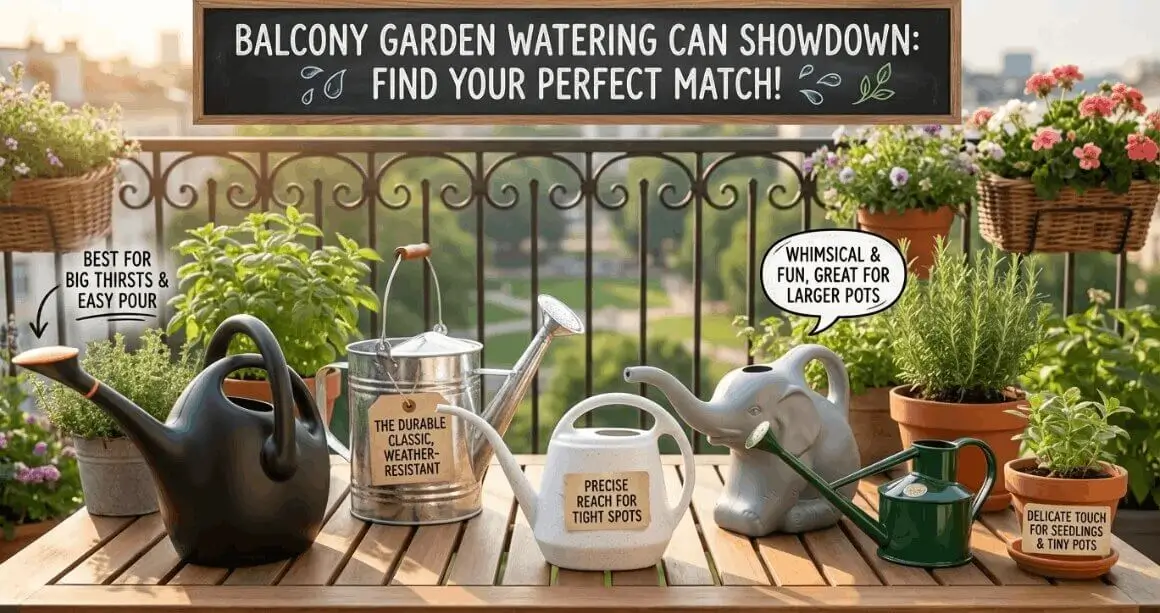
Balcony gardening requires smart tools, and choosing the right watering can makes a big difference in how well your plants grow. With limited space and delicate containers, you need a watering can that offers precision, ease of use, and efficient water control. In this guide, we’ll explore the best watering cans for balcony gardening and help you find the perfect option to keep your plants healthy and thriving.
Many gardeners make the mistake of using random containers, kitchen jugs, or poorly designed watering tools. This often results in:
- Uneven watering
- Soil erosion
- Root stress
- Overwatering or underwatering
The right watering can makes a huge difference.
A well-designed watering can helps you:
- Deliver gentle, even water flow
- Reach plants in tight balcony spaces
- Prevent soil disturbance
- Improve root hydration
In this guide, you’ll discover the best watering cans for balcony gardening, especially for gardeners growing fruit trees in containers and small spaces.
We’ll review the best options, explain how to choose the right one, and share expert watering tips for thriving container fruit trees.
Best Watering Cans for Balcony Gardening
1. Bloem Easy Pour Watering Can (2.6 Gallon)
Overview
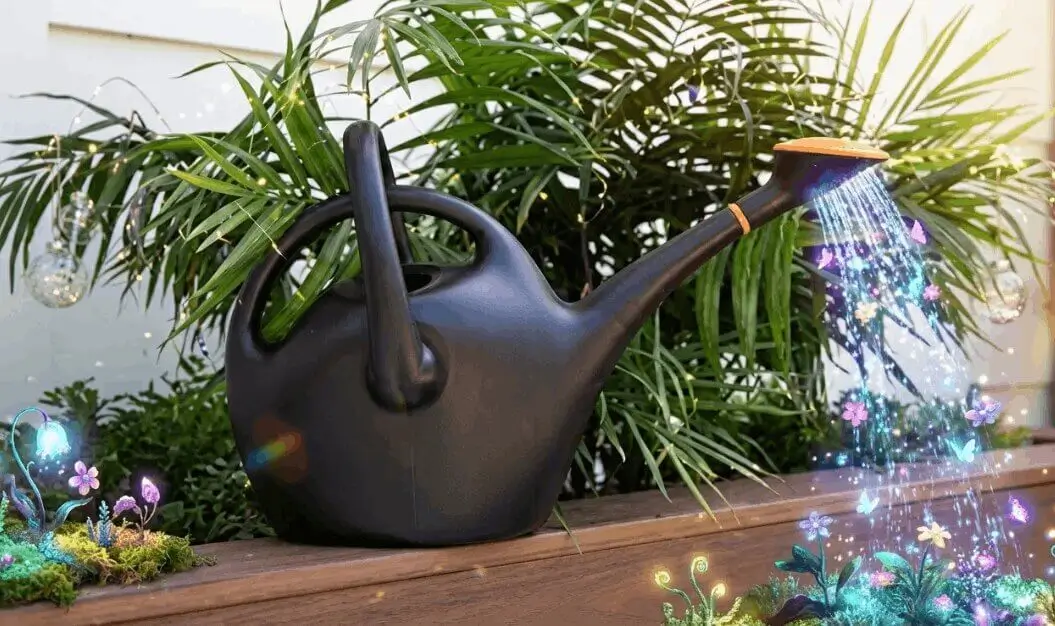
The Bloem Easy Pour Watering Can is one of the most popular watering cans for balcony gardeners. It combines a large capacity with an ergonomic design, making it perfect for watering multiple containers at once.
For balcony fruit tree growers, this can is especially useful when watering several pots like citrus trees, dwarf figs, or blueberries.
The long spout ensures precise watering, while the removable rose head allows you to switch between gentle shower watering and direct pouring.
Key Features
- Large 2.6-gallon capacity
- Long angled spout for precise watering
- Removable sprinkler rose head
- Durable plastic construction
- Comfortable double handle grip
Pros
- Reduces the number of refills
- Provides gentle watering for delicate soil
- Lightweight despite its capacity
- Very durable for long-term use
Cons
- May feel large for very small balconies
- Plastic can fade in strong sun over time
Best For
Balcony gardeners with multiple container fruit trees who want a watering can that reduces trips to refill.
2. Behrens Steel Watering Can (2.5 Gallon)
Overview
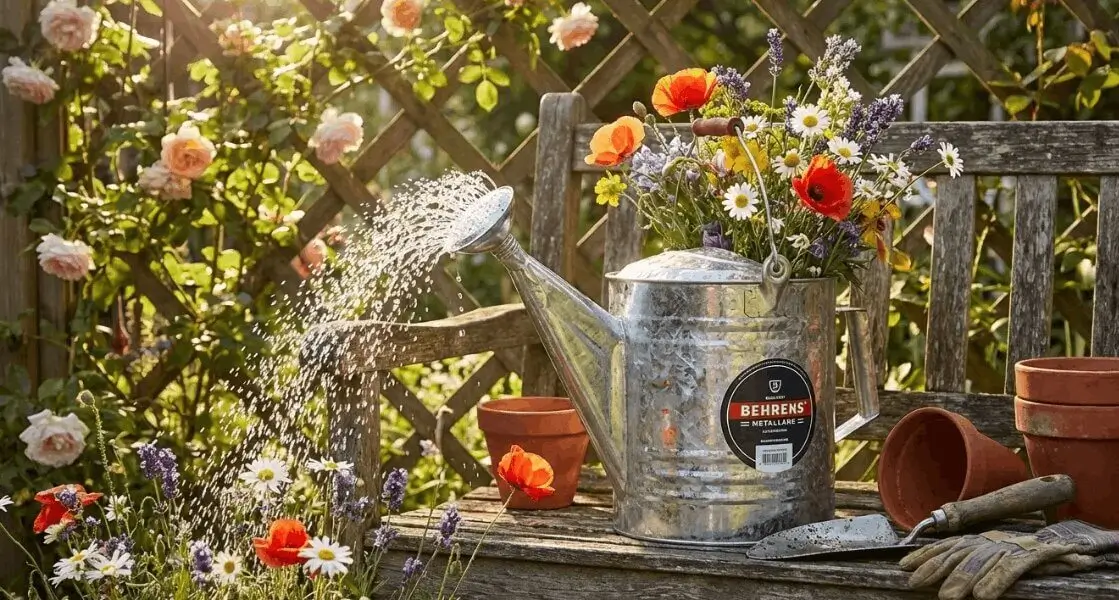
If you prefer durability and classic design, the Behrens Steel Watering Can is a premium option.
Made from galvanized steel, it is far more durable than plastic cans and resistant to rust and weather damage.
This watering can is perfect for serious container gardeners who want a long-lasting tool that can survive outdoor balcony conditions.
Key Features
- Heavy-duty galvanized steel
- Rust-resistant design
- Large 2.5-gallon capacity
- Detachable sprinkler head
- Reinforced handle for balance
Pros
- Extremely durable
- Weather resistant
- Stable and balanced when pouring
- Long lifespan
Cons
- Heavier than plastic watering cans
- More expensive than basic models
Best For
Gardeners who want a premium, long-lasting watering can for frequent watering of fruit trees and balcony plants.
3. Fasmov Plastic Watering Can (1 Gallon)
Overview
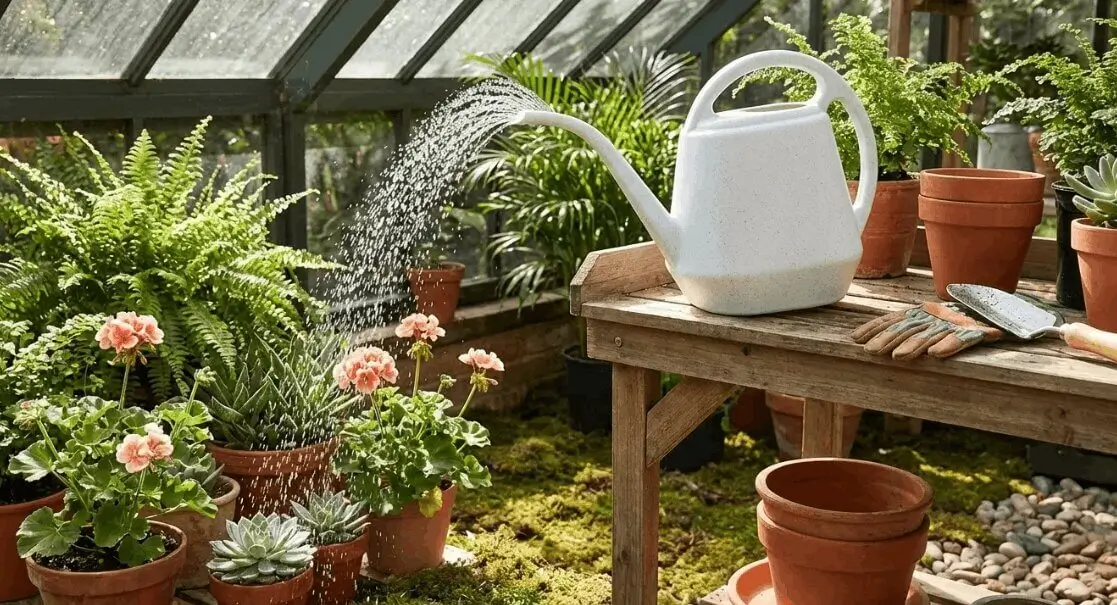
The Fasmov 1-Gallon Watering Can is ideal for small balconies and compact gardening spaces.
Its lightweight design makes it easy to maneuver between tightly spaced containers, making it great for watering young fruit trees or small pots.
The long spout allows targeted watering at the base of the plant, which is essential for preventing leaf diseases.
Key Features
- Compact 1-gallon capacity
- Long precision spout
- Lightweight plastic body
- Comfortable top handle
- Removable rose head
Pros
- Easy to carry and maneuver
- Ideal for small balcony spaces
- Affordable price
- Great control while watering
Cons
- Requires frequent refilling
- Plastic is less durable than steel
Best For
Urban gardeners growing a few fruit trees or plants on small balconies.
4. Union 63182 Elephant Watering Can (2 Gallon)

Overview
The Union Elephant Watering Can is famous for its distinctive elephant-shaped spout, which acts as a natural watering nozzle.
This design creates a soft, rain-like watering flow, perfect for container fruit trees and delicate roots.
It also has an extremely comfortable grip, making it easy to use during longer watering sessions.
Key Features
- Unique elephant-shaped spout
- 2-gallon capacity
- Durable plastic construction
- Balanced ergonomic handle
- Gentle watering flow
Pros
- Excellent water distribution
- Fun and ergonomic design
- Good capacity for balcony gardening
- Lightweight and durable
Cons
- Spout design cannot be changed
- Bulky shape for very tight spaces
Best For
Gardeners who want gentle watering for delicate container plants and fruit trees.
5. Haws Handy Indoor Watering Can (1 Pint)
Overview
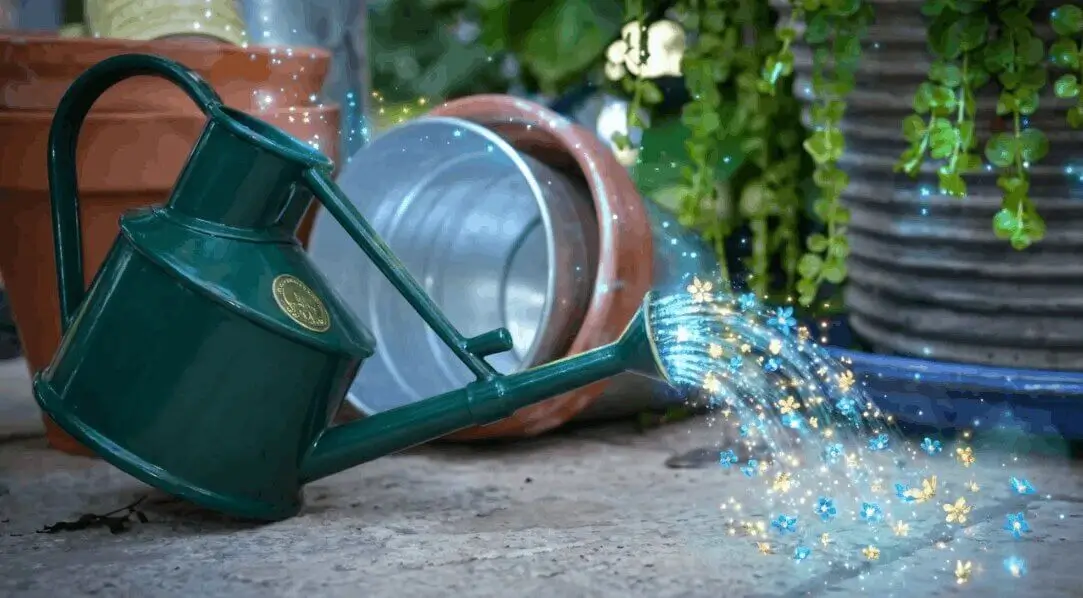
The Haws Handy Watering Can is a premium compact watering can designed for precision watering.
Although small, it offers exceptional control, making it perfect for seedlings, young fruit trees, or delicate balcony plants.
Its elegant design and narrow spout make it a favorite among serious gardeners.
Key Features
- Precision narrow spout
- Compact 1-pint capacity
- High-quality durable plastic
- Lightweight design
- Excellent water control
Pros
- Extremely precise watering
- Elegant design
- Very lightweight
- Perfect for delicate plants
Cons
- Very small capacity
- Not suitable for watering many containers
Best For
Gardeners watering seedlings, young plants, or small balcony containers.
Detailed Buying Guide: Choosing the Best Watering Can
Choosing the right watering can is more important than most gardeners realize. The wrong watering tool can lead to uneven watering, root problems, and poor fruit production.
Here are the key factors to consider.
Container Size Considerations
Fruit trees grown in containers require consistent deep watering.
Small watering cans may not deliver enough water for larger pots.
Recommended sizes:
- 1 gallon — small plants and herbs
- 2 gallons — medium fruit trees
- 2.5+ gallons — multiple containers
If you grow several trees like lemons, figs, or dwarf apples, a larger watering can saves time.
Drainage and Root Health
Good watering tools should distribute water slowly and evenly.
Fast pouring can:
- Compact soil
- Cause water runoff
- Damage roots
A watering can with a rose sprinkler head creates gentle rain-like watering that allows soil to absorb moisture properly.
Soil Quality and Nutrients
Watering is directly connected to nutrient absorption.
Healthy soil needs even moisture levels to allow roots to absorb nutrients effectively.
Inconsistent watering leads to:
- nutrient lockout
- blossom drop
- weak growth
Using a watering can with controlled flow improves soil hydration balance.
Durability and Materials
Watering cans come in several materials.
Plastic
Pros:
- Lightweight
- Affordable
- Easy to carry
Cons:
- Less durable
- Can degrade in sunlight
Steel
Pros:
- Extremely durable
- Weather resistant
- Long lifespan
Cons:
- Heavier
- Higher cost
For balcony gardeners, high-quality plastic or galvanized steel are the best options.
Common Problems With Potted Fruit Trees
Container fruit trees face several unique challenges.
Understanding them helps you water correctly.
Root Rot
Root rot happens when soil stays too wet for too long.
Signs include:
- yellow leaves
- weak growth
- foul-smelling soil
A watering can with gentle control helps avoid overwatering.
Slow Growth
Fruit trees may grow slowly due to:
- inconsistent watering
- nutrient deficiencies
- compact soil
Consistent watering helps maintain healthy root systems.
Poor Drainage
Balcony containers must have drainage holes.
Without proper watering technique, soil may remain unevenly moist.
Watering slowly ensures water spreads evenly through the soil.
Nutrient Deficiency
When soil dries too often, nutrients become unavailable.
Consistent watering allows fruit trees to absorb nitrogen, potassium, and phosphorus.
Fruit Drop
One of the biggest problems in container fruit trees is premature fruit drop.
This often happens when watering is inconsistent.
Stable moisture levels help fruit develop properly.
Expert Tips for Growing Fruit Trees in Containers
Water Deeply, Not Frequently
Instead of watering lightly every day, water deeply until excess water drains out.
This encourages deep root development.
Check Soil Moisture First
Insert your finger into the soil about 2 inches deep.
If it feels dry, it’s time to water.
Water in the Morning
Morning watering reduces evaporation and helps plants stay hydrated throughout the day.
Fertilize Regularly
Container fruit trees require nutrients more frequently.
Recommended schedule:
- Liquid fertilizer every 2–3 weeks
- Slow-release fertilizer every 2–3 months
Repot When Roots Become Crowded
Fruit trees should be repotted every 1–2 years to prevent root binding.
Use larger containers and fresh soil to promote healthy growth.
Final Verdict
After reviewing the best watering cans for balcony gardening, here are the top picks.
Best Overall
Bloem Easy Pour Watering Can
- Excellent capacity
- Great water control
- Ideal for multiple containers
Best Budget Option
Fasmov 1-Gallon Watering Can
- Affordable
- Lightweight
- Perfect for small balcony gardens
Best Premium Choice
Behrens Steel Watering Can
- Extremely durable
- Long lifespan
- Professional quality
Each of these watering cans can significantly improve watering efficiency and fruit tree health in container gardens.
FAQ: Watering Container Fruit Trees
How often should I water fruit trees in containers?
Most container fruit trees need watering every 1–3 days, depending on weather and pot size.
What size watering can is best for balcony gardening?
A 1–2 gallon watering can works best for most balcony gardens.
Is a sprinkler head necessary?
Yes. A rose sprinkler head distributes water gently and prevents soil disturbance.
Can I use tap water for fruit trees?
Yes. Most fruit trees tolerate tap water well, but letting water sit overnight can reduce chlorine.
Why do my potted fruit trees dry out quickly?
Containers lose moisture faster due to:
- limited soil
- sun exposure
- wind
Consistent watering is essential.
Should I water fruit tree leaves?
It’s best to water directly at the soil level to avoid fungal diseases.