
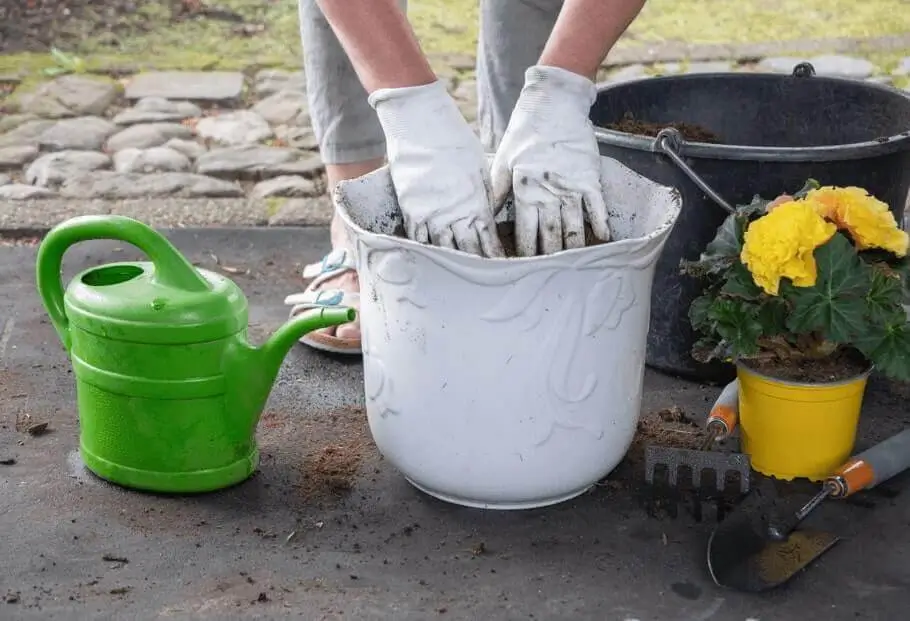
A successful container fruit garden does not happen overnight. Every month brings different tasks, challenges, and growth stages that shape the health and productivity of your fruit plants. From planting young trees to harvesting ripe fruit, understanding the timeline of container fruit gardening helps beginners stay organized and avoid common mistakes. With proper planning, watering, feeding, pruning, and seasonal care, even small patios and balconies can produce healthy harvests year after year. This month-by-month guide walks you through the complete container fruit gardening journey so you know exactly what to expect during every stage of growth.
Why a Container Fruit Gardening Timeline Matters
Container fruit trees live in a controlled but limited environment. Their roots can’t search for water or nutrients, and seasonal stress affects them faster than garden-planted trees.
A clear timeline helps you:
- Prevent root binding, nutrient deficiencies, and drought stress.
- Time pruning and feeding for maximum fruit production
- Avoid common beginner mistakes that reduce yield.
- Build long-term plant health rather than react to problems.
If you’re new to growing fruit in pots, pairing this guide with a container fruit gardening checklist ensures nothing important is overlooked during the season.
Understanding Seasonal Cycles in Containers
Before diving into the month-by-month plan, it’s important to understand how fruit plants behave in pots:
- Growth starts earlier in the spring because containers warm faster.
- Drying happens faster in summer.
- Roots are more vulnerable to cold in winter.
- Feeding schedules matter more due to the limited soil volume.
This timeline is written for temperate climates. If you garden in a warmer region, some tasks may shift earlier—but the sequence remains the same.
Month-by-Month Container Fruit Gardening Timeline
Late Winter (January–February): Planning & Dormant Care
Key goals: Prepare, protect, and prune
Tasks to focus on:
- Inspect dormant trees for pests and disease.
- Prune deciduous fruit trees to shape and remove dead wood.
- Clean containers and tools
- Plan new varieties and order plants.
This is also the best time to review your setup and decide if you’ll need deeper containers, especially if you’re following guidance on how deep containers should be for fruit trees.
Avoid: Heavy feeding—plants are still dormant.
Early Spring (March): Wake-Up Phase
Key goals: Support new growth
Tasks:
- Resume regular watering as buds swell.
- Apply slow-release fertilizer
- Repot young or root-bound plants.
- Add fresh compost or mulch.
Early spring is when timing matters most. Too early feeding wastes nutrients; too late feeding slows growth. Beginners often benefit from following a structured container fruit gardening monthly tasks guide to stay on track.
Mid-Spring (April): Growth & Flowering
Key goals: Support flowers and early fruit set
Tasks:
- Increase watering frequency
- Protect blossoms from late frost.
- Hand-pollinate if needed
- Monitor aphids and mites.
This is when small-space growers truly see the benefits of containers—plants are accessible and easy to manage, especially if you’re growing fruit trees on terraces or balconies.
Late Spring (May): Fruit Set & Training
Key goals: Shape growth and manage fruit load
Tasks:
- Thin excess fruit to improve size and quality
- Begin training branches with ties or supports.
- Adjust feeding to support fruit development.
If you’re unsure how to guide young trees, learning how to train fruit trees in pots early prevents structural problems later.
Early Summer (June): Rapid Growth
Key goals: Prevent stress and nutrient loss
Tasks:
- Water deeply and consistently
- Switch to high-potassium fertilizer.
- Add shade protection during heat waves.
- Watch for leaf scorch.
Containers dry out fast at this stage. Many gardeners fail simply because they underestimate summer water needs—especially in small pots.
Midsummer (July): Peak Care Period
Key goals: Maintain balance
Tasks:
- Water daily during hot weather
- Check drainage holes
- Continue pest monitoring
- Remove damaged fruit
This is when container fruit gardening pros and cons become most obvious: easy control, but zero margin for neglect.
Late Summer (August): Ripening Stage
Key goals: Improve fruit quality
Tasks:
- Reduce nitrogen feeding
- Maintain steady moisture
- Support heavy branches
- Harvest early-ripening fruits
Avoid overwatering—too much water now can dilute flavour and cause fruit splitting.
Early Fall (September): Main Harvest Window
Key goals: Harvest and recover
Tasks:
- Harvest ripe fruit regularly.
- Reduce feeding gradually
- Continue watering until temperatures drop.
- Remove fallen debris
This is a rewarding stage, especially if you’ve followed the timeline carefully from winter onward.
Mid-Fall (October): Preparation for Dormancy
Key goals: Transition plants
Tasks:
- Stop fertilizing
- Reduce watering frequency
- Clean containers and soil surface
- Apply light mulch
This is also the time to evaluate what worked and what didn’t—valuable insight for next season.
Late Fall (November): Protection Phase
Key goals: Prevent cold damage
Tasks:
- Move sensitive plants to sheltered areas.
- Insulate pots with wraps or mulch.
- Water sparingly
Gardeners growing fruit in urban or exposed spaces should pay special attention to winter positioning.
Winter (December): Rest & Review
Key goals: Let plants rest
Tasks:
- Minimal watering
- Check for pests overwintering.
- Review notes and plan upgrades
Winter is quiet—but smart planning now leads to better results next year.
Common Mistakes Beginners Make
- Feeding without regard to season
- Using containers that are too small
- Ignoring drainage requirements
- Pruning at the wrong time
- Inconsistent watering during the summer
Most of these mistakes are preventable when you follow a clear container fruit gardening timeline instead of reacting to problems.
Tools, Containers & Care Tips That Support the Timeline
To make this timeline work smoothly, you’ll need:
- Well-draining containers with adequate depth
- Quality potting mix designed for fruit trees
- Slow-release and liquid fertilizers
- Mulch for moisture control
- Pruning shears and soft plant ties
Using the right setup from the beginning is just as important as timing your care correctly.
Frequently Asked Questions (FAQ)
How often should I water fruit trees in containers?
Watering frequency depends on season, container size, and weather. In summer, daily watering is often necessary.
Can I follow the same timeline for all fruit trees?
The structure is the same, but citrus, berries, and stone fruits may have slightly different feeding and pruning needs.
When should I repot container fruit trees?
Early spring is ideal, just before active growth begins.
Do container fruit trees need winter protection?
Yes. Roots in pots are more exposed to cold than in-ground trees and often need insulation or relocation.
Is fertilizing more important in containers?
Absolutely. Nutrients leach out quickly, so regular feeding is essential.
Conclusion: Turn Timing Into Your Secret Weapon
Success in container fruit gardening isn’t about doing more—it’s about doing the right things at the right time. A well-planned container fruit gardening timeline helps you avoid costly mistakes, reduce plant stress, and consistently grow better fruit in limited space.
Start by aligning your watering, feeding, pruning, and protection with the seasonal rhythm outlined here. Combine this timeline with careful observation, and you’ll quickly gain confidence—and results. Next season, you won’t be guessing. You’ll be growing with purpose.