
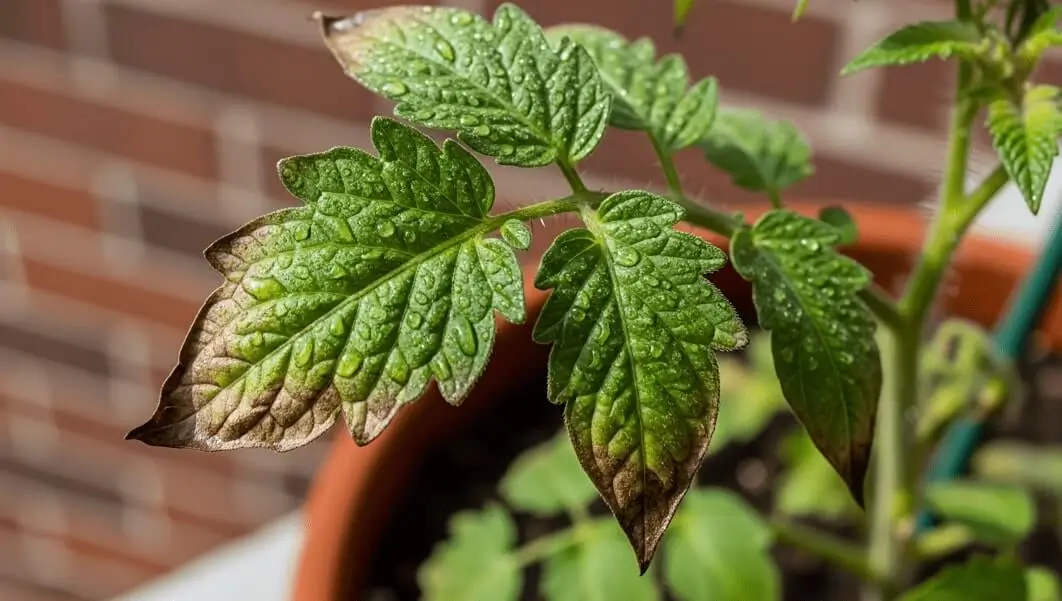
Nutrient burn in potted fruit trees is a common problem that can quickly damage leaves, weaken growth, and reduce fruit production if left untreated. Overfertilizing, salt buildup, and improper feeding schedules often cause leaf scorch, brown edges, and stressed root systems in container-grown fruit plants. Understanding the early warning signs and knowing how to correct nutrient overload can help restore healthy growth and prevent long-term damage. This guide explains the main causes of nutrient burn in potted fruit trees, how to identify symptoms, and the best methods to safely fix and prevent the problem.
Why Nutrient Burn in Potted Fruit Trees Matters
Container fruit gardening magnifies every soil and feeding decision you make. Unlike in-ground trees, potted fruit trees rely entirely on you for water, nutrients, and root space.
Containers Trap Excess Nutrients
When you fertilize garden soil, rain and natural drainage help flush away excess salts. In containers, those salts accumulate quickly, especially if:
- You fertilize frequently
- You use synthetic or fast-release fertilizers.
- The pot has poor drainage.
Over time, this buildup damages fine feeder roots, preventing the tree from absorbing water properly — even when the soil looks moist.
Root Damage Leads to Poor Harvests
Nutrient burn doesn’t just affect leaves. Root damage can cause:
- Stunted growth
- Weak flowering
- Fruit drops before ripening
- Increased sensitivity to heat and drought
If left untreated, severe nutrient burn can permanently weaken or even kill a young potted fruit tree.
What Causes Nutrient Burn in Potted Fruit Trees?
Understanding the root cause helps you choose the right fix.
Overfertilizing (The #1 Cause)
Most potted fruit trees need less fertilizer than you think. Common mistakes include:
- Applying full-strength fertilizer too often
- Combining slow-release granules with liquid feeds
- Fertilizing during dormancy or heat stress
If you’re unsure about timing, this guide on when to stop feeding fruit trees explains seasonal fertilizer needs in detail.
High-Salt Fertilizers
Synthetic fertilizers contain salts. Over time, these salts:
- Pull moisture away from roots.
- Burn root tips
- Cause leaf scorch symptoms
Organic fertilizers are generally safer, but they can still cause problems if overapplied.
Poor Drainage and Compacted Soil
Even correct fertilizer rates can cause nutrient burn if:
- The pot has blocked drainage holes.
- The soil stays constantly wet.
- Roots sit in salty, waterlogged conditions.
If this sounds familiar, you may also be dealing with broader soil problems in container gardening that need correcting.
Symptoms of Nutrient Burn in Potted Fruit Trees
Correct diagnosis matters — nutrient burn is often confused with deficiencies or drought stress.
Common Leaf Symptoms
- Brown or crispy leaf tips
- Yellowing leaf edges with green centers
- Curling or brittle leaves
- Sudden leaf drop after fertilizing
Growth and Root Clues
- Slowed or stalled growth
- Wilting despite moist soil
- White crust or residue on the soil surface (salt buildup)
💡 Key clue: If symptoms appear shortly after fertilizing, nutrient burn is very likely the cause.
Step-by-Step: How to Fix Nutrient Burn in Potted Fruit Trees
Step 1: Stop Fertilizing Immediately
Pause all feeding for at least 3–4 weeks. The tree needs time to recover before adding nutrients again.
Step 2: Flush the Soil Thoroughly
Leaching excess salts is the fastest way to reduce damage.
How to flush properly:
- Place the pot where excess water can drain freely.
- Slowly water until it runs from the bottom
- Repeat 2–3 times over several hours.
Avoid fast pouring — slow flushing dissolves salts more effectively.
Step 3: Check Drainage and Pot Condition
Make sure:
- Drainage holes are clear.
- The pot isn’t sitting in a saucer of water.
- Roots aren’t circling tightly (a sign of rootbound stress)
If drainage is poor, improving the potting mix is essential. This guide on improving poor potting soil walks through practical fixes.
Step 4: Prune Severely Burned Leaves
Trim leaves that are more than 50% damaged. This:
- Reduces stress on the tree
- Encourages new healthy growth
- Prevents energy waste on dying foliage
Step 5: Resume Feeding Gently
After recovery:
- Use half-strength fertilizer
- Feed less often
- Prefer slow-release or organic options.
For fruiting stages, choose nutrients carefully — overfeeding at this time can restart the problem. This article explains a balanced approach to fertilizers for flowering and fruiting.
Best Practices to Prevent Nutrient Burn in Containers
Use the Right Fertilizer Type
- Slow-release granules: Safer for beginners
- Organic fertilizers: Lower salt content
- Liquid feeds: Use sparingly and dilute.
Follow a Seasonal Feeding Schedule
- Spring: Light, balanced feeding
- Summer: Moderate feeding during active growth
- Late summer/fall: Reduce or stop feeding
Overfeeding late in the season is a common mistake covered in soil mistakes beginners make.
Water Deeply, Not Frequently
Shallow watering concentrates salts near roots. Deep watering:
- Flushes excess nutrients
- Encourages deeper root growth
- Reduces salt accumulation
Refresh Soil Regularly
Old potting soil holds salts longer. Every 1–2 years:
- Replace the top 25–30% of the soil.
- Or fully repot if roots are crowded.
Common Beginner Mistakes That Lead to Nutrient Burn
“More Fertilizer = Faster Growth”
False. Excess nutrients slow growth and damage roots.
Mixing Multiple Fertilizers
Combining:
- Slow-release pellets
- Liquid feeds
- Compost teas
…often leads to unintentional overfeeding.
Fertilizing Stressed Trees
Never fertilize when a tree is:
- Wilting
- Heat-stressed
- Recently repotted
- Pest-damaged
Tools, Soil, and Container Tips That Make a Difference
Choose the Right Pot
- Drainage holes are non-negotiable.
- Fabric pots reduce salt buildup.
- Light-colored pots stay cooler.
Use High-Quality Potting Mix
Avoid garden soil. A good mix should:
- Drain well
- Hold moisture without staying soggy.
- Contain minimal added fertilizer.
If you rely on compost, be cautious — excess compost can also contribute to nutrient overload. This article on using compost in containers safely explains how much is too much.
FAQ: Nutrient Burn in Potted Fruit Trees
Can a fruit tree recover from nutrient burn?
Yes. Mild to moderate nutrient burn is reversible if caught early and corrected quickly.
How long does recovery take?
Visible improvement usually appears within 2–4 weeks after flushing and stopping fertilizer.
Is nutrient burn worse in small pots?
Yes. Smaller containers concentrate salts faster and dry out unevenly.
Should I repot immediately?
Only if drainage is poor or roots are severely damaged. Otherwise, flushing is often enough.
Can organic fertilizers still cause nutrient burn?
Yes. While safer, overapplication can still lead to salt buildup and root stress.
Conclusion: Healthy Feeding = Healthy Fruit Trees
Nutrient burn in potted fruit trees isn’t caused by neglect — it’s usually caused by too much care. Containers amplify fertilizer mistakes, but with the right approach, they’re easy to manage. Focus on light, seasonal feeding, excellent drainage, and regular soil maintenance. Watch your tree’s response rather than sticking to rigid schedules. If you see early warning signs, act quickly by flushing the soil and pausing fertilizer. With balanced care, your potted fruit trees will reward you with strong growth, healthy leaves, and better harvests year after year.