
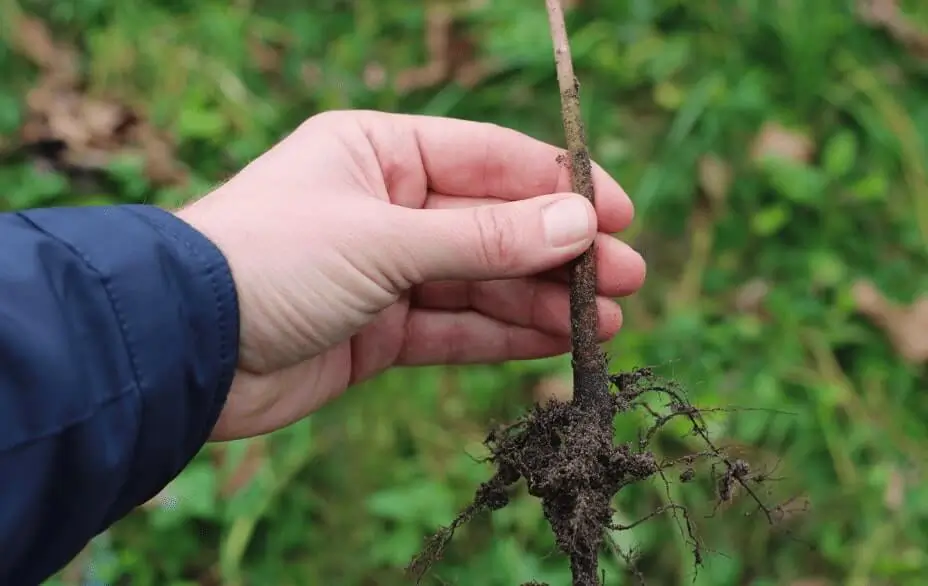
Many container fruit gardeners focus on watering, fertilizing, and sunlight, but soil temperature is often the overlooked factor that directly impacts root health and plant performance. When the soil becomes too hot or too cold, roots struggle to absorb water and nutrients properly, leading to weak growth, leaf stress, poor flowering, and reduced fruit production.
Understanding how soil temperature affects container fruit trees can help you create healthier growing conditions year-round. In this guide, you’ll learn why root-zone temperature matters, the warning signs of temperature stress, and practical ways to keep your potted fruit plants thriving in every season.
Why Soil Temperature and Root Health Matter for Container Fruit Gardening
Roots Are the Engine of Your Fruit Tree
Roots are responsible for:
- Absorbing water and nutrients
- Anchoring the plant
- Storing energy
- Supporting new growth and fruit production
When soil temperature is outside the ideal range, roots struggle to perform these functions efficiently. Even if the leaves look healthy at first, poor root conditions will eventually show above ground.
Ideal Soil Temperature Range for Fruit Trees
Most container fruit trees perform best when the soil temperature stays between:
- 55°F–75°F (13°C–24°C) for active root growth
- Below 50°F (10°C): root activity slows dramatically.
- Above 85°F (29°C): roots become stressed and nutrient uptake declines
In containers, soil can easily drop below or rise above these levels within a single day.
Why Containers Make Temperature Control Harder
Compared to in-ground soil, containers:
- Heat up faster in direct sun
- Cool down faster at night.
- They are exposed to the air temperature on all sides.
This is why soil temperature and root health are especially critical for balcony, patio, and small-space fruit gardening.
How Soil Temperature Affects Root Health at Different Stages
Cold Soil Problems
When the soil is too cold:
- Roots absorb water slowly.
- Nutrient uptake (especially phosphorus) is reduced.
- Growth stalls even if the plant looks alive
This often happens in early spring or when pots sit on cold concrete. You may think your tree needs fertilizer, but the real issue is cold roots.
Hot Soil Problems
When soil overheats:
- Fine feeder roots dry out or die.
- Water evaporates too quickly.
- Salt buildup from fertilizer becomes more concentrated.
Hot soil is a common issue on sunny balconies and rooftops, as well as in dark plastic pots exposed to afternoon sun.
Root Stress vs Root Damage
- Root stress causes slow growth and poor fruiting.
- Root damage leads to wilting, leaf drop, and long-term decline.
Managing soil temperature prevents both.
Step-by-Step Solutions to Maintain Healthy Soil Temperature
1. Choose the Right Container Material
Container choice has a big impact on soil temperature:
- Terracotta pots:
- Breathe well
- Stay cooler in the heat.
- Cool faster in cold weather.
- Plastic pots:
- Retain heat longer
- Can overheat in full sun
- Fabric grow bags:
- Excellent temperature regulation
- Promote healthy root pruning.
If you’re struggling with overheated soil, switching to a different container type may solve half the problem.
2. Insulate Containers in Extreme Weather
Simple insulation methods include:
- Placing pots inside a larger decorative container
- Wrapping pots with burlap, straw, or bubble wrap (winter only)
- Using wooden planters instead of thin plastic ones
This slows down rapid temperature swings that stress roots.
3. Elevate Pots Off Cold or Hot Surfaces
Concrete and tile surfaces can:
- Pull heat out of the soil in winter.
- Radiates extreme heat in summer
Use pot feet, wooden slats, or bricks to lift containers slightly. This improves drainage and stabilizes soil temperature.
Mulching: One of the Best Tools for Root Temperature Control
Mulch acts as insulation for container soil.
Benefits include:
- Keeps soil cooler in summer
- Reduces heat loss in cooler months
- Maintains more stable moisture levels
Organic mulches like bark chips, straw, or compost work best. If you want a detailed guide, see this article on mulching fruit trees in containers to choose the right mulch and depth.
Watering Practices That Influence Soil Temperature
Water doesn’t just hydrate roots—it also affects temperature.
Smart Watering Tips
- Water the soil in the morning during hot weather to gradually cool it.
- Avoid icy water on hot soil; sudden temperature shock stresses roots.
- Maintain even moisture to prevent heat buildup.
Poor watering habits often lead to both temperature stress and root rot. If you’re seeing ongoing issues, review common soil problems in container gardening to accurately diagnose the cause.
Soil Mix and Root Temperature Stability
The right soil mix helps buffer temperature changes.
Characteristics of a Temperature-Stable Soil Mix
- Good drainage without drying out too fast
- High organic matter content
- Proper air pockets for root insulation
Heavy garden soil tends to stay cold, while overly sandy mixes heat up and cool down too fast. If your soil dries or overheats quickly, learn how to improve poor potting soil by adding organic amendments that stabilize moisture and temperature.
Seasonal Soil Temperature Management
Spring
- Delay fertilizing until soil warms consistently
- Move containers to sunny but sheltered spots.
- Avoid overwatering cold soil.
If you’re unsure when roots are active, testing soil conditions helps. This guide explains a simple home method for testing soil pH, which often reveals temperature-related nutrient issues.
Summer
- Provide afternoon shade for pots.
- Mulch heavily
- Group containers together to reduce heat exposure
Fall and Winter
- Reduce watering as the soil cools.
- Insulate pots if temperatures drop below freezing.
- Move sensitive fruit trees closer to walls or indoors.
Common Mistakes Beginners Make with Soil Temperature
Placing Pots in Full Sun All Day
Sun-loving fruit trees still need root protection. Leaves may love the sun, but roots prefer moderation.
Ignoring Night Temperature Drops
Daytime warmth doesn’t help if nights are cold. Soil temperature lags behind air temperature, confusing roots.
Using Black Plastic Pots Without Protection
These absorb heat aggressively, often causing hidden root damage.
Overfertilizing Cold or Hot Soil
Fertilizer won’t fix temperature stress and can worsen root damage. Healthy soil conditions must come first.
Tools and Practical Tips to Monitor Soil Temperature
Helpful Tools
- Soil thermometer (simple and inexpensive)
- Moisture meter with temperature function
- Infrared thermometer for pot surface checks
Easy DIY Checks
- Insert your finger 2–3 inches into the soil.
- If the soil feels cold or excessively hot, roots feel it too.
Maintaining balance is easier when you know what’s happening below the surface.
FAQ: Soil Temperature and Root Health
What is the best soil temperature for container fruit trees?
Most fruit tree roots perform best between 55°F and 75°F (13°C–24°C). Outside this range, growth and nutrient uptake slow down.
Can cold soil cause nutrient deficiencies?
Yes. Cold soil reduces root activity, making nutrients unavailable even when they are present.
Does mulch really help regulate soil temperature?
Absolutely. Mulch insulates soil, reducing both heat spikes and cold stress while also conserving moisture.
How do I prevent soil from overheating in summer?
Use light-colored pots, mulch heavily, provide afternoon shade, and elevate containers off hot surfaces.
Should I move containers indoors during extreme temperatures?
For sensitive fruit trees, yes. Temporary shelter during heatwaves or frost can protect roots from permanent damage.
Conclusion: Protect the Roots, Improve the Harvest
Soil temperature and root health are closely linked, especially in container fruit gardening, where conditions can change quickly. By choosing the right containers, insulating soil, properly mulching, and adjusting watering habits, you can keep roots within their ideal temperature range. Healthy roots lead to stronger growth, better flowering, and more reliable fruiting.
Your next steps are simple: check your container placement, add mulch if needed, and monitor soil conditions regularly. Small changes below the surface can make a dramatic difference above it—and your fruit trees will reward you for it.