
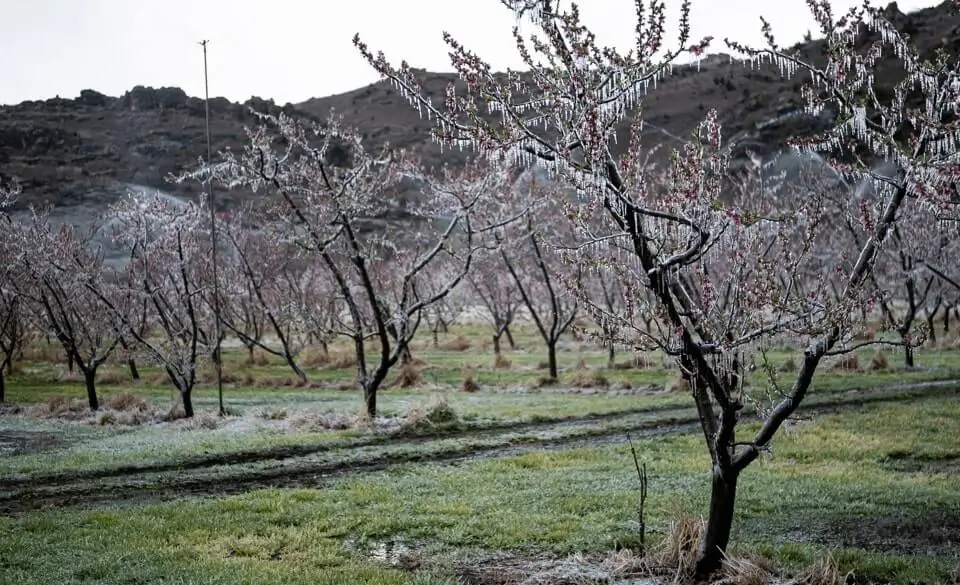
Fruit trees wilting even when properly watered can be confusing and frustrating, especially for container gardeners who carefully monitor soil moisture. In many cases, the issue isn’t a lack of water but rather problems like root damage, poor drainage, heat stress, or disease. Understanding the real causes behind wilting despite watering is essential to saving your tree and restoring healthy growth. In this guide, you’ll discover the most common reasons fruit trees wilt even with water, along with proven fixes and prevention strategies to keep your container trees thriving.
Why Fruit Trees Wilting Even With Water Matters in Container Gardening
Container fruit trees live in a restricted root environment. Unlike in-ground trees, they depend entirely on you for:
- Correct watering frequency
- Proper soil structure and drainage
- Root health and oxygen availability
When a fruit tree wilts even though the soil is wet, it usually means the roots are unable to absorb water, not that water is missing. If ignored, this stress can lead to:
- Leaf drop and yellowing
- Flower and fruit loss
- Stunted growth
- Root rot and eventual tree death
Many gardeners confuse wilting with thirst, which often leads to overwatering, making the situation worse. Understanding the real cause early is key to saving your tree and restoring healthy growth.
Fruit Trees Wilting Even With Water: The Real Causes (H2)
1. Overwatering and Root Suffocation
The most common cause of wilting in watered containers is too much water. Roots need oxygen as much as moisture. When soil stays constantly wet:
- Air pockets collapse
- Roots suffocate
- Water uptake stops
- Leaves wilt despite wet soil
This problem often appears after frequent light watering instead of deep, spaced watering.
Signs of overwatering
- Wilting with wet soil
- Yellowing lower leaves
- Mushy or dark roots
- Sour-smelling soil
2. Poor Drainage in Containers
Even if you water correctly, bad drainage traps moisture around roots. Common drainage issues include:
- Pots without drainage holes
- Clogged drainage holes
- Decorative outer pots holding runoff water
- Heavy garden soil instead of potting mix
If water cannot escape, roots drown slowly.
Quick test:
Water thoroughly. If water doesn’t drain within 30–60 seconds, drainage is inadequate.
3. Root Rot or Damaged Roots
Root rot often follows prolonged overwatering or poor drainage. Once roots decay, they can no longer absorb water—even if surrounded by it.
Root damage can also happen after repotting, a topic explained in more detail in why fruit trees struggle after being moved to a new pot, which many container gardeners experience during spring upgrades.
Symptoms
- Persistent wilting
- Leaf drop
- Black or brown roots
- Slow recovery after watering
4. Compacted or Incorrect Soil Mix
Fruit trees need loose, airy soil. Using garden soil or cheap mixes causes compaction over time.
Compacted soil:
- Holds water unevenly
- Prevents oxygen flow
- Causes shallow roots
- Leads to wilting even when moist
If your tree shows wilting along with slow growth, soil structure is often the hidden problem, similar to what many gardeners notice when dealing with stunted container fruit tree growth.
5. Heat Stress and Transpiration Overload
In hot weather, fruit trees can lose water through leaves faster than roots can absorb it, even when soil is moist.
This is common when:
- Containers sit on hot concrete
- Dark pots absorb heat
- Afternoon sun is intense
- Wind increases evaporation
Heat stress wilting often improves in the evening—unlike root problems, which persist.
6. Fertilizer Burn and Salt Buildup
Excess fertilizer draws water out of roots, causing dehydration symptoms in wet soil.
Common triggers:
- Overfeeding liquid fertilizer
- Slow-release pellets used too often
- Mineral salt buildup in containers
This issue sometimes overlaps with leaf discoloration, similar to problems seen in yellowing leaves on container fruit trees.
Step-by-Step: How to Fix Wilting Fruit Trees in Containers
Step 1: Check Soil Moisture Correctly
- Insert a finger 2–3 inches deep
- Use a moisture meter if unsure
- Avoid watering on a fixed schedule
Water only when the top layer dries slightly.
Step 2: Inspect Drainage Immediately
- Confirm drainage holes are open
- Elevate pots slightly
- Remove standing water from saucers
If needed, repot into a container with proper drainage.
Step 3: Examine Root Health
Carefully slide the tree from its pot:
- Healthy roots = white/tan and firm
- Unhealthy roots = brown/black and mushy
Trim damaged roots and repot in fresh soil if necessary.
Step 4: Improve the Soil Mix
Use a well-draining fruit tree container mix, ideally containing:
- Compost or coco coir
- Perlite or pumice
- Pine bark fines
Avoid dense garden soil entirely.
Step 5: Adjust Sun and Heat Exposure
- Provide afternoon shade in extreme heat
- Use light-colored containers
- Group pots together for insulation
Temporary shade can save a stressed tree.
Step 6: Flush Excess Fertilizer
If fertilizer burn is suspected:
- Water deeply until runoff is clear
- Pause feeding for 2–3 weeks
- Resume with diluted fertilizer
Common Beginner Mistakes That Cause Wilting
- Watering daily without checking soil
- Using pots without drainage holes
- Choosing decorative containers over functional ones
- Repotting during extreme heat
- Fertilizing stressed trees
These mistakes often lead to cascading issues like flowers dropping before fruit sets, another symptom of chronic stress in container fruit trees.
Tools, Containers, and Care Tips That Prevent Wilting
Best Containers
- Size: 15–25 gallons for most fruit trees
- Material: Plastic, fabric, or glazed ceramic
- Always with drainage holes
Helpful Tools
- Moisture meter
- Root pruning shears
- Mulch (pine bark or straw)
Ongoing Care Tips
- Water deeply, less often
- Repot every 2–3 years
- Mulch to regulate soil temperature
- Monitor leaf condition weekly
FAQ: Fruit Trees Wilting Even With Water
Why do my fruit tree leaves wilt right after watering?
This often indicates root suffocation or compacted soil preventing oxygen flow.
Can overwatering really cause wilting?
Yes. Overwatering is the most common cause of fruit trees wilting even with water in containers.
Should I water more if my tree looks wilted?
Not until you confirm soil dryness. More water can worsen the problem.
How long does recovery take after fixing drainage?
Mild cases recover in 7–14 days. Root rot may take several weeks.
Is wilting always a sign of root problems?
No. Heat stress can cause temporary wilting that resolves in cooler conditions.
Conclusion: Bring Wilting Fruit Trees Back to Life
When you see fruit trees wilting even with water, it’s a signal to look below the surface—not reach for the watering can. In container gardening, wilting usually points to drainage problems, root stress, soil compaction, or heat overload rather than drought.
Start by checking drainage and soil structure, then inspect root health and adjust watering habits. With the right container, well-draining soil, and thoughtful care, most wilting fruit trees can recover fully and return to healthy growth.
Next steps:
Inspect your containers today, improve drainage where needed, and adjust your watering routine. Your fruit trees will thank you with stronger leaves, better flowering, and healthier harvests.