
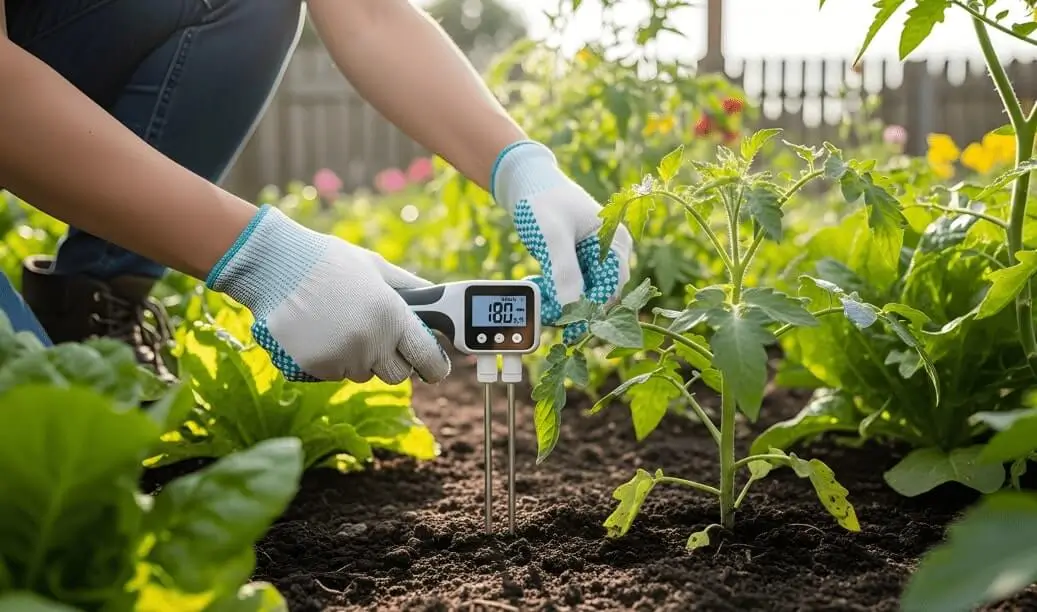
Best Home Methods for Testing Soil pH in Container Gardens

Healthy soil is the foundation of successful container fruit gardening, but many gardeners overlook one critical factor: soil pH. The pH level of your potting soil affects how well fruit plants absorb nutrients, grow roots, and produce healthy harvests. Even if you water and fertilize regularly, your plants may still struggle if the soil pH is too high or too low.

The good news is that you do not need expensive equipment or professional lab testing to check soil pH at home. With a few simple tools and methods, you can quickly determine whether your container soil is suitable for citrus trees, berries, figs, or other fruit plants.

In this guide, you will learn how to test soil pH at home using beginner-friendly methods, understand the ideal pH range for container fruit plants, and discover how to adjust pH naturally for healthier growth and bigger harvests.

Why Soil pH Matters for Container Fruit Gardening

Soil pH controls how easily fruit plants can absorb nutrients from the potting mix. In containers, this is even more critical than in garden beds because:
  • Containers hold a limited soil volume.
  • pH changes faster due to frequent watering
  • Fertilizers build up and shift pH over time.
Most fruit plants grown in pots prefer a slightly acidic soil pH of 5.8-6.8. Outside this range, nutrients like iron, magnesium, and phosphorus become locked up.

Common pH-Related Problems in Pots

  • Yellowing leaves despite regular feeding
  • Slow growth or weak flowering
  • Bitter or undersized fruit
  • Leaf drop in citrus and figs
If you’re already using the right pot size and feeding schedule, pH is often the missing piece. This is especially true when reusing old mixes—something I explain in detail in my guide to refreshing old potting soil for containers.

How to Test Soil pH at Home: 4 Proven Methods

Below are the most reliable home methods, ranked from easiest to most accurate for container fruit gardening.

Method 1: Soil pH Test Strips or Chemical Test Kits (Best Overall)

This is the most accurate and beginner-friendly option.

What You’ll Need

  • Soil pH test kit or strips
  • Distilled water
  • Clean container or cup

Step-by-Step Instructions

  1. Scoop soil from 2–3 inches below the surface of the pot
  2. Remove roots, mulch, or fertilizer granules.
  3. Mix soil with distilled water (as directed by the kit)
  4. Dip the test strip or add the testing solution.
  5. Compare the colour to the chart.

Pros

  • Affordable
  • Accurate for containers
  • Easy to repeat monthly

Cons

  • Single-use strips
  • Slight learning curve for colour matching
👉 Ideal for citrus, figs, berries, and dwarf fruit trees grown in pots.

Method 2: Digital Soil pH Meter (Quick but Less Precise)

Digital meters are popular because they give instant readings—but accuracy varies.

How to Use It Correctly

  1. Moisten soil (never test dry soil)
  2. Insert probe 3–4 inches deep.
  3. Wait 30–60 seconds
  4. Take multiple readings in different spots.

Pros

  • Fast and reusable
  • No chemicals
  • Good for rough monitoring

Cons

  • Less accurate in potting mixes
  • Needs frequent calibration
💡 Tip: Use this for trends, not exact numbers. Confirm with test strips if plants show problems.

Method 3: DIY Vinegar & Baking Soda Test (Only for Rough Estimates)

This method tells you if the soil is acidic or alkaline, but not the exact pH.

Steps

  • Add vinegar to the soil → fizzing means alkaline.
  • Add baking soda + water → fizzing means acidic.

Pros

  • Free
  • Fun experiment

Cons

  • Not precise
  • Not reliable for fruit plants
⚠️ Use only as a learning tool—not for making adjustments.

Method 4: Professional Lab Test (Rarely Needed for Containers)

Lab tests are accurate but unnecessary for most container gardeners. Save this for:
  • Large collections of fruit trees
  • Repeated unexplained failures
  • Custom soil blending projects

Best Time to Test Soil pH in Containers

Timing matters more than most gardeners realize.

Test Your Soil:

  • Before planting new fruit trees
  • 3–4 weeks after fertilizing
  • At the start of spring growth
  • When leaves turn yellow or fruit quality drops
If you fertilize heavily or water with hard tap water, test more often. Poor drainage can also distort readings—see my guide on improving drainage in pots if your containers stay wet for too long.

Ideal Soil pH Ranges for Common Container Fruits

Fruit PlantIdeal pH
Citrus trees6.0–6.5
Fig trees6.0–6.8
Strawberries5.5–6.5
Blueberries4.5–5.5
Dwarf apples6.0–6.8
If you’re growing citrus specifically, correct pH works best when paired with the best soil mix for citrus trees in pots, which already balances drainage and acidity.

How to Adjust Soil pH Safely in Containers

To Raise pH (Make Soil Less Acidic)

  • Garden lime (small amounts)
  • Dolomitic lime (adds magnesium)
Apply gradually and retest after 2–3 weeks.

To Lower pH (Make Soil More Acidic)

  • Elemental sulfur
  • Pine bark fines
  • Acid-forming fertilizers
Avoid strong chemical acids—they damage roots.
💡 Tip: Improving structure helps stabilize pH. Adding perlite or similar materials (as explained in perlite vs vermiculite for container gardening) prevents nutrient buildup that can skew readings.

Common Mistakes Beginners Make When Testing Soil pH

1. Testing Dry Soil

Always moisten the soil first—dry readings are inaccurate.

2. Using Tap Water

Tap water often contains minerals that alter results. Use distilled water.

3. Testing Right After Fertilizing

Wait at least 2–3 weeks after feeding.

4. Ignoring Potting Mix Ingredients

Compost, coir, and bark all influence pH differently.

5. Overcorrecting Too Fast

Sudden pH swings stress roots and reduce fruiting.

Tools & Care Tips for Accurate Soil pH Testing

  • Keep a small notebook of pH readings.
  • Label containers with test dates
  • Clean tools after every use
  • Retest after heavy rain or flushing
If you reuse soil between seasons, always test pH first—old fertilizer salts and root residue change acidity over time.

Frequently Asked Questions (FAQ)

How often should I test soil pH in containers?

Every 1–2 months during the growing season, or whenever plants show stress.

Can I test soil pH without a kit?

Yes, but DIY methods are only approximate. Kits are strongly recommended for fruit plants.

Does fertilizer affect soil pH?

Absolutely. Many synthetic fertilizers lower the pH over time.

Is soil pH more important than fertilizer?

Both matter, but an incorrect pH makes fertilizer ineffective.

Can the pH of potting soil change over time?

Yes. Watering, feeding, and plant uptake constantly shift pH in containers.

Conclusion: Take Control of Soil pH for Healthier Container Fruit Plants

Learning how to test soil pH at home is one of the smartest moves you can make as a container fruit gardener. It explains hidden problems, prevents nutrient waste, and dramatically improves plant health and harvest quality.
Start with a simple test kit, test regularly, and make small adjustments. Combine proper pH with good drainage, balanced feeding, and quality potting mix—and your fruit plants will reward you with stronger growth and better-tasting harvests.
Next step: Test your containers this week, note the results, and fine-tune your soil before the next growth flush. Your plants will thank you. 🌱🍎

One comment

Leave a Reply

Your email address will not be published. Required fields are marked *