
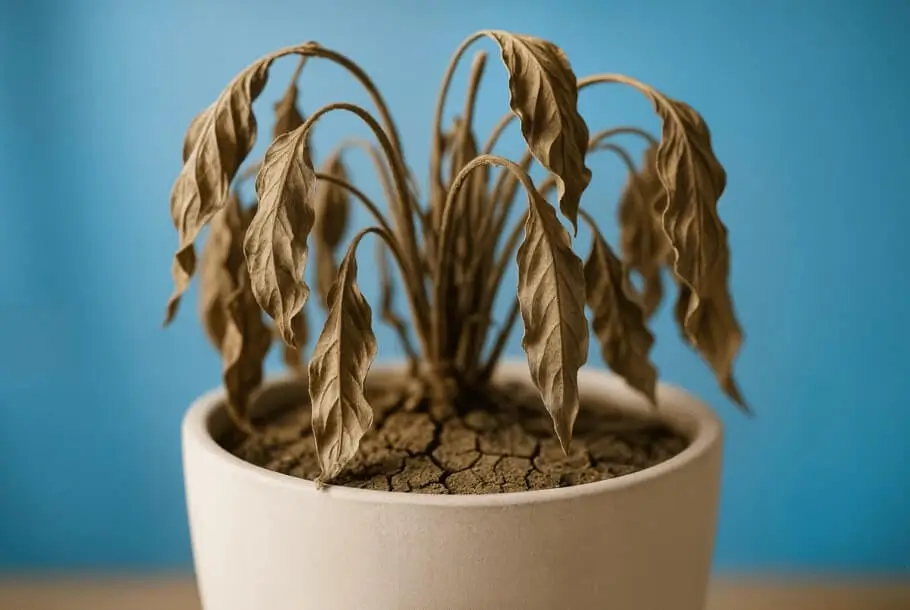
Drought stress in potted fruit trees is one of the most common problems container gardeners face, especially during hot weather or windy conditions. Because containers dry out faster than garden soil, fruit trees can quickly suffer from dehydration, weak growth, leaf drop, and reduced fruit production. Learning how to identify drought stress early, prevent water loss, and revive stressed trees can help you keep your container fruit garden healthy, productive, and thriving all season long.
Why Drought Stress Matters in Container Fruit Gardening
Container fruit trees depend entirely on you for water. Unlike in-ground trees, their roots cannot search deeper soil layers for moisture. When water becomes limited, the effects are faster and more severe.
How Drought Stress Affects Potted Fruit Trees
When a fruit tree experiences drought stress, it goes into survival mode:
- Stomata (leaf pores) close to reduce water loss
- Photosynthesis slows or stops
- Fruit development is sacrificed to protect the tree
- Root growth declines
Over time, repeated drought stress weakens the tree, reduces yields, and increases vulnerability to pests and diseases.
Why Containers Make Drought Stress Worse
Potted fruit trees are especially vulnerable because:
- Containers heat up quickly in the sun
- Limited soil volume dries out faster
- Roots are exposed to temperature fluctuations
- Lightweight potting mixes drain rapidly
This is why understanding drought stress in potted fruit trees is essential for successful small-space fruit gardening.
Signs of Drought Stress in Potted Fruit Trees
Recognizing drought stress early can save your tree.
Early Warning Signs
- Slight leaf drooping during midday heat
- Dry topsoil 2–3 inches deep
- Dull or grayish-green leaves
At this stage, the tree can recover quickly with proper watering.
Moderate Drought Stress Symptoms
- Persistent wilting even in the morning
- Leaf curl or leaf edge browning
- Premature fruit drop
Recovery is still possible, but growth may be slowed for weeks.
Severe Drought Stress Symptoms
- Crispy, brittle leaves
- Large-scale leaf drop
- Dieback at branch tips
Severe drought stress can permanently damage potted fruit trees, especially young or dwarf varieties.
Step-by-Step: How to Fix Drought Stress in Potted Fruit Trees
Step 1: Rehydrate the Root Zone Correctly
Never flood a severely dry pot all at once. Instead:
- Water slowly until moisture reaches the bottom
- Wait 10–15 minutes
- Water again to ensure full saturation
This prevents water from running straight through dry soil without being absorbed.
If your tree is indoors or overwintered, follow the principles outlined in proper watering techniques for indoor fruit trees to avoid shock during recovery.
Step 2: Check for Hydrophobic (Water-Repellent) Soil
Dry potting soil can become hydrophobic, meaning it repels water.
Fix it by:
- Submerging the pot halfway in water for 30–60 minutes
- Gently loosening the topsoil afterward
- Adding organic matter during the next repotting
Step 3: Reduce Stress While the Tree Recovers
- Move containers to partial shade for 7–10 days
- Avoid fertilizing until new growth appears
- Prune only dead or severely damaged branches
Too much fertilizer during drought recovery can worsen root stress.
Preventing Drought Stress in Potted Fruit Trees
Prevention is far easier than recovery.
Choose the Right Container Size
Small pots dry out rapidly. As a rule:
- Young fruit trees: minimum 10–15 gallons
- Dwarf fruit trees: 15–25 gallons
- Semi-dwarf trees: 25–30+ gallons
A well-sized container acts as a water buffer during hot weather.
Use a Water-Retentive Potting Mix
Avoid light, peat-only mixes. Instead, look for:
- Compost or aged bark
- Coconut coir for moisture retention
- Perlite or pumice for drainage
Healthy roots depend on a balance of air and moisture. Poor drainage can cause problems similar to drought stress, which is why understanding how to avoid root rot in potted fruit trees is equally important.
Mulch the Soil Surface
Mulching is one of the most effective defenses against drought stress in potted fruit trees.
Benefits include:
- Reduced evaporation
- Cooler root temperatures
- More consistent soil moisture
Organic mulches like wood chips or straw work best. Learn more about mulching techniques specifically for container fruit gardening to maximize water efficiency.
Water Deeply and Consistently
Shallow watering encourages weak surface roots. Instead:
- Water until excess drains from the bottom
- Allow the top inch of soil to dry before watering again
- Increase frequency during heatwaves, not volume
If you’re unsure about water quality, comparing rainwater vs tap water for fruit trees can help improve long-term tree health.
Common Beginner Mistakes That Cause Drought Stress
Underwatering Out of Fear of Root Rot
Many beginners water too lightly, too often. This leaves the lower root zone dry while the surface stays damp.
Solution: Deep, infrequent watering.
Using Decorative Pots Without Drainage
No drainage holes = trapped water or uneven moisture.
Always ensure:
- At least one large drainage hole
- A raised pot base or feet
Ignoring Weather Changes
Windy, hot days can double water needs—even in shade.
Check moisture daily during:
- Heatwaves
- Dry winds
- Flowering and fruiting periods
Leaving Trees Root-Bound Too Long
Root-bound trees dry out faster and absorb water poorly.
Signs include:
- Roots circling the pot
- Water running straight through
- Stunted growth
Repot every 2–3 years or size up containers as needed.
Tools and Techniques to Reduce Drought Stress
Moisture Meters (Used Correctly)
They’re helpful for beginners—but only when combined with finger checks and observation.
Self-Watering Containers
These provide a buffer during hot weather but still require monitoring.
Drip Irrigation for Containers
Ideal for balconies and patios:
- Delivers water slowly
- Reduces evaporation
- Prevents inconsistent moisture
FAQ: Drought Stress in Potted Fruit Trees
How often should I water potted fruit trees in summer?
Most need watering every 1–2 days during hot weather. Large containers may last longer, but always check soil moisture first.
Can a fruit tree recover after severe drought stress?
Yes, if the roots are alive. Recovery may take weeks, and fruiting may pause for the season.
Is wilting always caused by drought stress?
No. Overwatering and root rot can cause similar symptoms. Always check soil moisture before watering.
Should I mist leaves to help with drought stress?
Misting helps temporarily but does not replace deep root watering.
Does drought stress affect fruit taste and size?
Yes. Stressed trees often produce smaller, less sweet fruit or drop fruit prematurely.
Conclusion: Keep Your Potted Fruit Trees Resilient
Drought stress in potted fruit trees is common—but completely manageable with the right approach. By understanding how containers affect water availability, recognizing early warning signs, and using smart watering, mulching, and container choices, you can protect your trees even during extreme heat.
Your next steps:
- Check container size and drainage
- Improve your potting mix and mulch layer
- Adjust watering based on weather, not habit
With consistent care, your potted fruit trees will stay healthy, productive, and stress-free—season after season.