
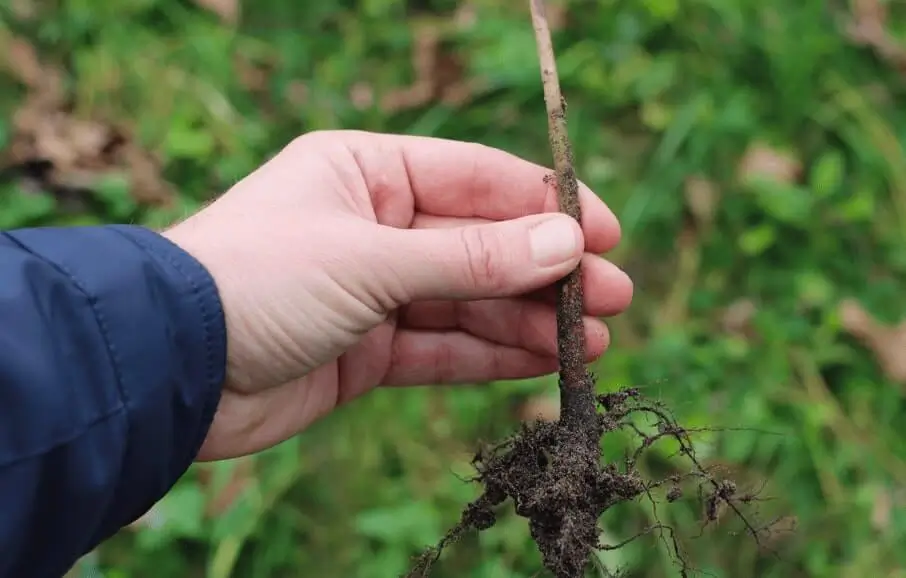
Poor root growth is one of the most common yet overlooked problems in container fruit gardening, and soil is often the main cause. When the soil structure, drainage, or nutrient balance is off, roots struggle to expand, absorb water, and take in essential nutrients. This leads to weak plants, slow growth, and reduced fruit production.
The good news is that most soil-related root problems are easy to identify and fix. By understanding what’s happening below the surface, you can improve root health, strengthen your plants, and create the ideal environment for thriving container fruit trees.
Why Poor Root Growth Due to Soil Matters in Container Fruit Gardening
Healthy roots are the foundation of productive fruit plants. In containers, roots are confined to a limited space, so soil problems show up faster and cause more damage than in the ground.
How roots function in containers
Roots do three critical jobs:
- Absorb water
- Take up nutrients
- Anchor and support the plant
When soil structure is wrong, roots struggle to breathe, grow, and branch out. This leads to:
- Stunted plant growth
- Reduced flowering and fruiting
- Increased susceptibility to pests and diseases
Why containers make soil problems worse
Unlike garden beds, containers:
- Drain differently
- Compact faster
- Lose nutrients more quickly
- Heat up and dry out unevenly
If your potting mix is poorly designed or has broken down over time, poor root growth due to soil becomes almost inevitable.
Main Causes of Poor Root Growth Due to Soil
Before fixing the problem, you need to identify what’s holding your roots back.
1. Compacted or Dense Soil
Heavy, compacted soil prevents oxygen from reaching roots. Without oxygen, roots suffocate and stop growing.
Common signs:
- Water pools on the surface
- Soil feels hard even when moist
- Roots grow in tight circles instead of spreading
2. Poor Drainage and Excess Water Retention
Roots need moisture, not constant saturation. Soil that holds too much water leads to root rot and weak root tips.
If you suspect this issue, it’s often connected to problems discussed in guides about soil holding too much water in pots, which explain why drainage is critical for container fruit plants.
3. Old or Degraded Potting Mix
Over time, organic components break down and collapse. This reduces air pockets and turns once-light soil into dense material.
Reusing old soil without refreshing it often leads to the same problems described in articles about old potting soil causing plant issues.
4. Incorrect Soil pH
When soil pH is too high or too low, roots can’t absorb nutrients—even if nutrients are present.
5. Poor Soil Nutrition Balance
Too much fertilizer can burn roots, while too little leads to weak growth. Roots need steady, balanced nutrition to develop properly.
Step-by-Step Solutions to Fix Poor Root Growth Due to Soil
Step 1: Check Your Current Soil Condition
Remove the plant gently from its pot and inspect:
- Root color (healthy roots are white or light tan)
- Root density (look for circling or compacted roots)
- Soil texture (crumbly vs. muddy)
If roots are brown, mushy, or sparse, soil is likely the main culprit.
Step 2: Use a Proper Container Soil Mix
Never use garden soil alone in containers. A high-quality mix should include:
- Coco coir or peat moss for moisture balance
- Perlite or pumice for aeration
- Compost for nutrients
If your plants are struggling, switching from an improper mix is often the fastest fix. Many beginners unknowingly use the wrong blend, a mistake often covered in guides on choosing the right soil mix for container fruit plants.
Step 3: Improve Drainage Immediately
- Ensure pots have drainage holes
- Avoid gravel layers at the bottom (they can worsen drainage)
- Elevate pots slightly to allow free water flow
Step 4: Repot When Necessary
If roots are circling or tightly packed:
- Choose a pot 2–4 inches larger
- Loosen roots gently before replanting
- Use fresh, well-aerated soil
Repotting gives roots space and oxygen, which encourages new growth.
Step 5: Adjust Watering Practices
Even perfect soil fails if watering is wrong.
- Water deeply, then allow the top inch of soil to dry
- Avoid frequent shallow watering
- Adjust frequency based on weather and pot size
Best Practices to Prevent Poor Root Growth in the Future
Choose the Right Container Size
Small pots restrict root expansion. Fruit plants need:
- Deeper pots for trees (minimum 12–18 inches)
- Wider pots for bushy or shallow-rooted plants
Refresh Soil Regularly
Every 12–18 months:
- Replace at least one-third of the soil
- Add fresh compost and aeration material
This prevents the compaction issues common with reused soil, similar to those explained in guides about reused soil causing plant growth problems.
Feed Roots, Not Just Leaves
Use slow-release organic fertilizers that support steady root development instead of quick-growth chemical feeds.
Monitor Soil Moisture
Use your finger or a moisture meter. Overwatering is one of the fastest ways to trigger poor root growth due to soil.
Common Beginner Mistakes That Lead to Poor Root Growth
- Using garden soil in pots
- Reusing old potting mix without amendment
- Overwatering “just to be safe”
- Choosing decorative pots with no drainage
- Ignoring root health until the plant declines
Avoiding these mistakes alone can dramatically improve plant performance.
Tools, Soil, and Care Tips for Strong Root Systems
Recommended Tools
- Hand trowel for gentle root inspection
- Moisture meter for consistent watering
- Pruning shears for trimming damaged roots
Ideal Soil Characteristics
- Light and fluffy texture
- Good water retention without sogginess
- Plenty of air pockets
Ongoing Care Tips
- Mulch lightly with compost on the surface
- Rotate pots occasionally to balance growth
- Check roots annually for early signs of stress
Frequently Asked Questions (FAQ)
Why do my container fruit plants have weak roots?
Weak roots are usually caused by compacted soil, poor drainage, or old potting mix that lacks oxygen.
Can roots recover after soil problems?
Yes. If caught early, improving soil structure and drainage can stimulate new root growth within weeks.
How often should I change potting soil?
For container fruit plants, refresh or replace soil every 12–18 months for best root health.
Is fertilizer enough to fix poor root growth?
No. Fertilizer cannot compensate for poor soil structure or lack of oxygen around roots.
Does pot size affect root growth?
Absolutely. Too-small pots restrict roots and worsen soil compaction over time.
Conclusion: Fix the Soil, Fix the Roots
Poor root growth due to soil is not a mystery—it’s a solvable problem once you understand how roots interact with container soil. By improving soil structure, drainage, pot size, and watering habits, you give roots the environment they need to thrive. Strong roots lead to healthier plants, better fruit production, and far fewer problems down the line.
Next steps:
Check your current containers, inspect the soil and roots, and make one improvement at a time. Start with better soil, and everything above the soil line will follow.