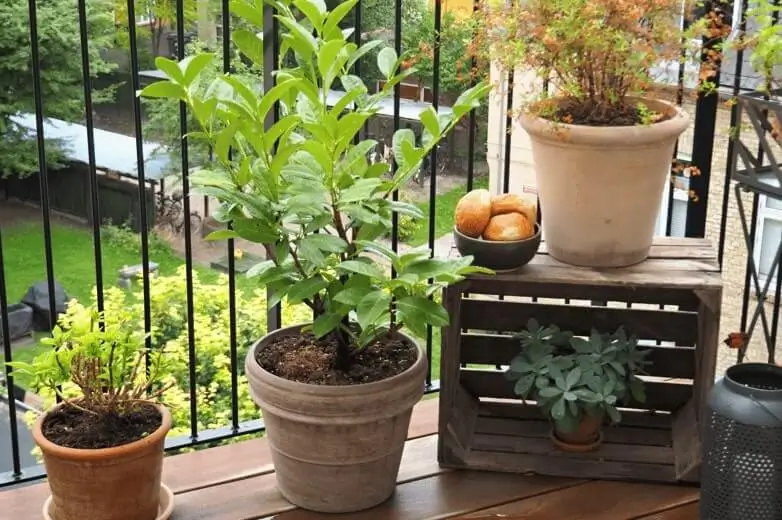
Starting container fruit gardening from scratch is one of the easiest and most rewarding ways to grow fresh fruit at home, even if you only have a small balcony, patio, terrace, or sunny corner outdoors. With the right containers, soil, fruit varieties, and simple care routine, beginners can successfully grow healthy fruit trees and enjoy harvests without needing a traditional garden.
This complete beginner-friendly guide explains everything you need to know about choosing the best pots, selecting suitable fruit trees, preparing soil, watering correctly, feeding plants, and avoiding common mistakes. Whether you want to grow lemons, strawberries, figs, blueberries, or dwarf apple trees, container fruit gardening makes it possible to create a productive mini orchard in limited spaces.
Why Container Fruit Gardening Matters
Container fruit gardening isn’t just a “second-best” option—it’s often the smartest way to grow fruit, especially for beginners.
Perfect for small spaces
Containers let you grow fruit on balconies, patios, rooftops, windowsills, and even indoors with enough light. You don’t need land—just sunlight and commitment.
Better control over growing conditions
With containers, you control:
- Soil quality
- Drainage
- Watering
- Fertilization
- Sun exposure
Ideal for beginners
Mistakes are easier to
fix in containers. If a plant struggles, you can move it, repot it, or adjust care without disturbing a whole garden bed.
Cleaner, more manageable harvests
Less weeding, fewer soil-borne diseases, and easier pest monitoring make container fruit gardening more beginner-friendly than traditional ground planting.
Step-by-Step: How to Start Container Fruit Gardening From Scratch
Step 1: Choose the Right Fruit for Containers
- Strawberries
- Blueberries (dwarf varieties)
- Figs (compact cultivars)
- Citrus trees (dwarf lemon, lime, orange)
- Apples or pears (dwarf or columnar types)
If space is tight, focus on the fruits recommended in our guide to the best fruit trees for small spaces and urban gardens, which covers compact varieties in detail.
Pro tip: Always look for labels like dwarf, patio, or container-friendly when buying fruit plants.
Step 2: Select the Right Container Size and Material
Container choice is one of the most common beginner mistakes—and one of the most important decisions.
General container size guidelines:
- Strawberries: 15–20 cm (6–8 in) deep
- Blueberries: 30–40 cm (12–16 in) wide
- Dwarf fruit trees: 40–60 cm (16–24 in) wide and deep
Bigger containers hold more moisture, support stronger root systems, and reduce watering stress.
Container materials:
- Plastic: Lightweight, affordable, retains moisture.
- Terracotta: Breathable but dries quickly
- Fabric grow bags: Excellent drainage and root health.
For a deeper comparison, see our article on choosing the right container material for fruit trees, especially if you garden in hot or windy conditions.
Step 3: Use the Correct Soil (Never Garden Soil)
One of the biggest rules in container fruit gardening: never use garden soil in pots.
Why?
- It compacts easily
- Drains poorly
- Suffocates roots
Instead, use a high-quality container potting mix.
Ideal container fruit soil includes:
- Lightweight structure
- Good drainage
- Organic matter for nutrients
Many gardeners improve results by mixing in compost or slow-release organic fertilizer. Our detailed guide on the best soil for growing fruit in containers explains exactly how to build or choose the right mix.
Step 4: Plant Correctly from Day One
Proper planting sets the foundation for healthy growth.
How to plant fruit in containers:
- Ensure the container has drainage holes.
- Add soil, leaving space for the root ball.
- Place the plant so the root flare is just above soil level.
- Fill in gently and firm the soil.
- Water deeply until the excess drains out
Avoid planting too deep—this is a common cause of weak growth and root problems.
Step 5: Position for Sunlight and Airflow
Most fruit plants need 6–8 hours of direct sunlight daily.
Best placements:
- South- or west-facing balconies
- Open patios
- Rooftops with wind protection
If sunlight is limited, check out our practical advice on growing fruit in containers without full sun, which explains how to adapt plant choices and care.
Also, ensure good airflow to reduce the risk of fungal diseases, especially in humid environments.
Step 6: Water Properly (Consistency Is Key)
Container fruit plants dry out faster than ground-grown plants.
Watering tips:
- Water deeply until runoff appears
- Check soil moisture regularly.
- Water more often during hot weather
- Reduce watering in winter.
Overwatering is just as harmful as underwatering. Learn seasonal strategies in our guide to watering fruit trees in containers year-round.
Step 7: Feed Your Fruit Plants Correctly
Fruit plants are heavy feeders, especially in containers where nutrients wash out quickly.
Feeding basics:
- Use balanced, slow-release fertilizer.
- Supplement with liquid feed during active growth.
- Reduce feeding in winter.
For a full feeding schedule, see the step-by-step guide to feeding potted fruit trees, which breaks it down month by month.
Essential Tools for Container Fruit Gardening
You don’t need a shed full of tools, but a few basics make a big difference:
- Quality containers with drainage
- Potting mix
- Watering can or hose with a gentle spray
- Pruning shears
- Mulch (optional but helpful)
If you’re starting on a budget, our container fruit gardening budget guide shows how to prioritize essentials without overspending.
Common Mistakes Beginners Make (And How to Avoid Them)
Using containers that are too small
Small pots restrict roots and dry out quickly.
Overwatering or underwatering
Always check soil moisture before watering.
Choosing the wrong fruit varieties
Standard fruit trees struggle in containers—stick with dwarf types.
Ignoring seasonal care
Container plants need winter protection and adjusted watering.
Expecting instant harvests
Fruit plants need time to establish before producing heavily.
Avoiding these mistakes alone can double your chances of success.
FAQ: Common Questions About Starting Container Fruit Gardening
Can beginners really grow fruit in containers?
Yes. Container fruit gardening is one of the easiest ways for beginners to grow fruit because it offers more control and fewer variables.
How long does it take for container fruit plants to produce fruit?
Small fruits like strawberries may produce in the first year. Dwarf fruit trees usually take 2–3 years.
Do container fruit trees need pruning?
Yes, light pruning helps maintain size, shape, and productivity.
Can I grow fruit indoors?
Some fruits can grow indoors with enough light, but most perform best outdoors.
How many fruit plants can I grow in one container?
Usually, one fruit tree per container. Smaller fruits, such as strawberries, can be planted in groups.
Conclusion: Your Next Steps to Success
Learning how to start container fruit gardening from scratch doesn’t require land, experience, or expensive tools—just the right knowledge and a bit of patience. By choosing suitable fruit, using proper containers and soil, watering consistently, and avoiding common mistakes, you can grow productive fruit plants almost anywhere.
Start small. Choose one or two container-friendly fruits, set them up correctly, and learn as you go. With time, you’ll gain confidence—and fresh, homegrown fruit.
Your container-gardening journey for fruit starts now. 🌱