
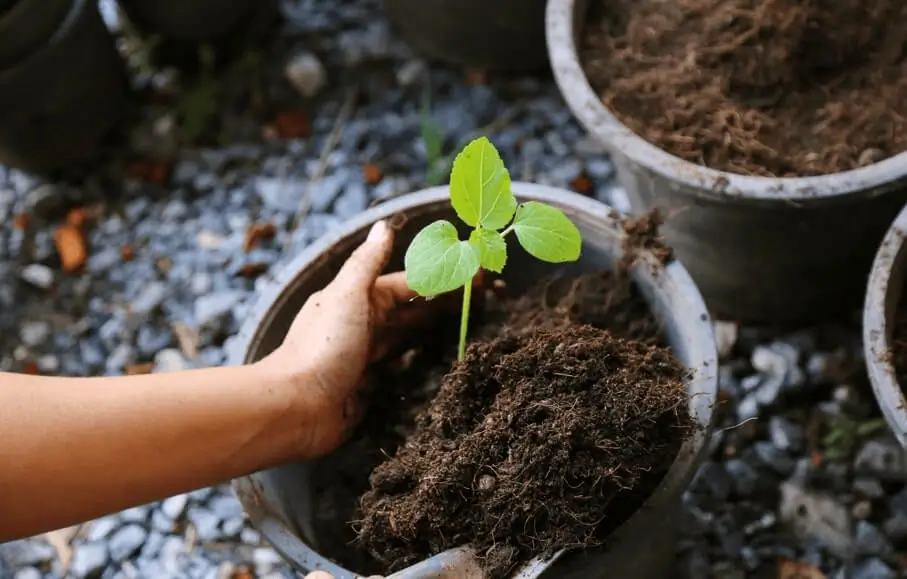
Soil compaction in containers is a common but often overlooked problem that can seriously affect the health and productivity of fruit trees. When the soil becomes dense and tightly packed, roots struggle to breathe, absorb water, and access essential nutrients. This leads to poor growth, weak trees, and reduced fruit yield. Understanding how to identify, fix, and prevent compacted soil is key to maintaining thriving container-grown fruit trees.
Why Soil Compaction in Containers Matters for Fruit Trees
Container-grown fruit plants depend entirely on you for their root environment. Unlike garden soil, potting mixes don’t self-correct over time.
How Compacted Soil Harms Container Fruit Plants
When soil becomes compacted:
- Oxygen can’t reach roots, slowing growth and root function
- Water pools or runs off, causing root rot or drought stress
- Beneficial microbes decline, reducing nutrient availability
- Roots circle and suffocate, limiting fruit production
This often shows up as symptoms gardeners misdiagnose. Many assume fertilizer is the problem, which can lead to issues like overfeeding—something we’ve covered in our guide on overfertilizing fruit trees in containers.
Why Containers Are More Prone to Compaction
Soil compaction in containers happens faster because:
- Gravity and watering compress particles downward
- Fine peat-based mixes collapse over time
- Repeated watering washes away air pockets
- Roots fill the pot and squeeze remaining soil
If you’ve noticed slow growth combined with drainage issues, compaction is a likely culprit.
What Causes Soil Compaction in Containers?
Understanding the cause helps you choose the right fix.
1. Using the Wrong Potting Mix
Garden soil or cheap, fine-textured potting mixes pack tightly in containers. Once wet, they lose structure and harden as they dry.
2. Overwatering
Constantly wet soil collapses air spaces. This often overlaps with problems like drought stress recovery mistakes, where gardeners swing between too much and too little water.
3. Small or Poorly Designed Containers
Pots without adequate drainage holes or with narrow bases trap water and compress soil faster.
4. Root Overcrowding
As fruit trees mature, expanding roots compress soil from the inside—especially if repotting is delayed.
How to Identify Soil Compaction in Containers
Before fixing the problem, confirm it.
Visual and Physical Signs
- Water sits on the surface before soaking in
- Soil feels hard or crusty when dry
- Roots are circling the pot edges
- Leaves show nutrient deficiency symptoms despite feeding
If you’re seeing pale leaves or weak growth, compare symptoms with our article on nutrient deficiency in potted fruit trees to rule out feeding issues.
Step-by-Step Solutions to Fix Soil Compaction in Containers
Step 1: Improve Drainage Immediately
If your plant is struggling right now:
- Use a chopstick or thin stake to gently poke vertical holes
- Work slowly to avoid root damage
- This creates temporary air channels and improves water flow
This is a short-term fix but can buy time.
Step 2: Repot with a Well-Structured Mix (Best Solution)
Repotting is the most effective long-term solution.
Ideal potting mix for container fruit trees:
- 40–50% high-quality potting soil
- 20–30% compost or worm castings
- 20–30% aeration materials (perlite, pumice, pine bark)
Avoid fine sand or garden soil—they worsen compaction.
Step 3: Choose the Right Container
Look for:
- Multiple drainage holes
- Slightly wider than deep shape
- Breathable materials (fabric pots, unglazed terracotta)
These containers naturally reduce soil compression.
Step 4: Root Pruning for Mature Plants
For older fruit trees:
- Remove 10–20% of circling roots during repotting
- Refresh soil around the root ball
- This reduces internal pressure that causes compaction
Preventing Soil Compaction in Containers Long-Term
Prevention is easier than repair.
Water Correctly
- Water deeply, then allow partial drying
- Avoid frequent shallow watering
- Lift pots to gauge moisture by weight
Poor watering habits are closely linked to weak fruit tree growth caused by poor soil structure, another topic we explore in detail on GrowFruitly.
Refresh Soil Regularly
- Top-dress with compost yearly
- Replace 30–50% of potting mix every 1–2 years
- Fully repot fruit trees every 2–3 years
Add Organic Matter Wisely
Organic matter improves structure—but only in balance. Too much fine compost can actually increase compaction.
Common Mistakes Beginners Make with Container Soil
Mistake 1: Packing Soil Too Firmly
Soil should be settled by watering, not by pressing it down by hand.
Mistake 2: Ignoring Drainage Holes
Decorative pots without drainage are one of the biggest causes of root problems in container fruit gardening.
Mistake 3: Over-Fertilizing to “Fix” Weak Growth
Compacted soil blocks nutrient uptake. Adding more fertilizer often worsens the issue—leading to salt buildup and root burn.
Mistake 4: Waiting Too Long to Repot
If roots have no room to grow, soil structure will always degrade no matter how good the mix is.
Tools, Soil Components, and Care Tips That Help
Helpful Tools
- Moisture meter (to avoid overwatering)
- Root pruning shears
- Fabric grow bags for large fruit trees
Best Aeration Materials
- Perlite (lightweight, affordable)
- Pumice (long-lasting structure)
- Pine bark fines (excellent for fruit trees)
FAQ: Soil Compaction in Containers
What causes soil compaction in containers?
It’s caused by fine-textured soil, repeated watering, gravity, root overcrowding, and lack of aeration materials.
Can compacted soil kill a container fruit tree?
Yes. Severe compaction can suffocate roots, cause rot, and prevent nutrient uptake, eventually killing the plant.
How often should I repot container fruit trees?
Most fruit trees need repotting every 2–3 years. Fast growers may need it sooner.
Is sand good for preventing soil compaction?
No. Sand often worsens compaction in containers unless used in very specific mixes.
Can I fix compacted soil without repotting?
You can temporarily improve it with aeration holes, but repotting is the only lasting solution.
Conclusion: Healthy Soil Means Healthy Harvests
Soil compaction in containers is a silent problem that slowly robs container fruit trees of vigor and productivity. By recognizing the signs early, choosing the right potting mix, improving drainage, and repotting on time, you can restore healthy root conditions and unlock stronger growth and better fruiting.
Next steps:
Check your containers today. Test drainage, inspect soil texture, and plan a repot if needed. Small improvements to soil structure now can make a huge difference in your harvests this season—and for years to come.