
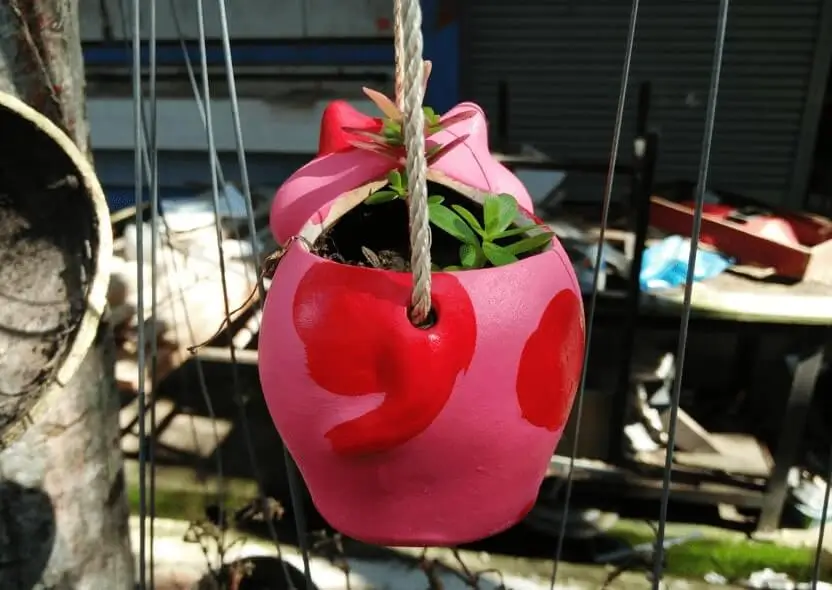
Choosing the right container material is one of the most important decisions in container fruit gardening. The material of your pot affects drainage, root temperature, moisture retention, portability, and even the long-term health of your fruit trees. Whether you grow citrus, figs, apples, or berries in containers, understanding the pros and cons of each pot type will help you create the ideal growing environment for healthy roots and bigger harvests.
Why Choosing the Right Container Material Matters for Fruit Trees
Container fruit trees live their entire lives in pots. Unlike garden soil, container soil heats up faster, dries out quicker, and restricts root growth. The material of your container directly affects:
- Root temperature regulation
- Water retention and drainage
- Weight and stability
- Durability across seasons
- Long-term maintenance needs
For example, in hot climates, dark plastic pots can overheat roots, while in colder regions, ceramic containers may crack during freeze–thaw cycles. If you’re growing compact varieties recommended in our guide to best fruit trees for small containers, choosing the right material becomes even more critical because smaller root zones are more sensitive to stress.
In short, the container material isn’t just a design choice—it’s a growing strategy.
Understanding the Most Common Container Materials
Before choosing, it helps to understand how each material behaves in real gardening conditions.
Plastic Containers
Plastic pots are lightweight, affordable, and widely available.
Pros
- Easy to move (ideal for balconies and renters)
- Retain moisture well
- Inexpensive and beginner-friendly
Cons
- Can overheat in direct sun
- Lower durability over many seasons
- Less breathable for roots
Plastic containers are a solid choice for beginners, especially when combined with good drainage and careful watering practices, as outlined in our guide to watering fruit trees in winter.
Terracotta (Clay) Containers
Terracotta pots are porous and breathable, which many gardeners love.
Pros
- Excellent airflow to roots
- Reduced risk of overwatering
- Natural, classic appearance
Cons
- Dry out quickly
- Heavy and breakable
- Poor insulation in extreme heat or cold
They work best for gardeners who can water consistently and grow in mild climates.
Fabric Grow Bags
Fabric grow bags are increasingly popular for fruit trees.
Pros
- Superior drainage and aeration
- Lightweight and easy to store
- Prevent root circling through air pruning.
Cons
- Require more frequent watering.
- Less stable in windy areas
- Shorter lifespan than rigid pots
Fabric containers pair especially well with moisture-conscious techniques discussed in self-watering containers for fruit trees, even if the systems are adapted rather than built-in.
Wooden Planters
Wooden containers offer a balance between insulation and breathability.
Pros
- Natural insulation for roots
- Visually attractive
- Customizable sizes
Cons
- Can rot if untreated
- Heavier than plastic
- Higher upfront cost
Using food-safe liners can significantly extend their lifespan.
Ceramic and Glazed Containers
These decorative containers are often used on patios and terraces.
Pros
- Attractive and durable
- Better moisture retention than terracotta
- Stable and wind-resistant
Cons
- Heavy and hard to move
- Expensive
- May crack in freezing temperatures
They’re best for permanent setups in temperate climates.
How to Choose the Right Container Material Step by Step
Step 1: Match the Material to Your Climate
Climate should be your first consideration.
- Hot climates: Avoid thin plastic or dark containers that trap heat. Fabric, wood, or light-colored ceramic work better. This is especially important if you garden in conditions similar to those covered in our article on container fruit gardening in hot climates.
- In cold climates, choose insulated materials like thick plastic or wood. Avoid terracotta and unprotected ceramic.
- Windy areas: Heavy containers (ceramic, wood) offer better stability.
Step 2: Consider Tree Size and Root Growth
Fruit trees need room for roots to expand.
- Small dwarf trees: Plastic, fabric, or terracotta can work well.
- Larger container trees: Wooden planters or thick plastic pots provide long-term support.
Regardless of material, ensure the container size aligns with the tree’s maturity.
Step 3: Balance Watering Style and Container Behaviour
Different materials influence watering frequency:
- Fast-drying containers (fabric, terracotta): Ideal for gardeners who prefer frequent watering.
- Moisture-retaining containers (plastic or glazed ceramic): Better for busy gardeners or in dry regions.
If you’re growing organically, combining the right container with techniques from growing organic fruit in pots can significantly improve soil health and moisture balance.
Step 4: Factor in Mobility and Space
If you need to move your trees seasonally:
- Choose lightweight materials like plastic or fabric.
- Add plant caddies under heavier containers.
This is especially useful for gardeners overwintering trees indoors or repositioning them to receive more sunlight.
Best Container Materials by Growing Situation
Best for Beginners
- Thick plastic containers
- Fabric grow bags (with a watering routine)
Best for Balconies and Small Spaces
- Lightweight plastic
- Fabric containers with stable bases
Best for Long-Term Growing
- Wooden planters with liners
- High-quality glazed ceramic (mild climates only)
Common Mistakes Beginners Make When Choosing Containers
- Choosing based on looks alone rather than function
- Ignoring drainage holes, regardless of material
- Using undersized containers that restrict root growth
- Not accounting for heat buildup in dark plastic pots.
- Assuming all materials last equally long
Avoiding these mistakes early saves money, time, and stressed fruit trees.
Soil, Drainage, and Care Tips by Container Material
- Always use a well-draining potting mix, never garden soil.
- Elevate containers slightly to improve drainage.
- Mulch the surface to regulate moisture and temperature.
- Refresh soil every 1–2 years, especially in plastic or fabric pots.
Container choice works best when combined with consistent care and smart soil management.
Frequently Asked Questions (FAQ)
What is the best container material for fruit trees?
For most beginners, thick plastic or fabric grow bags offer the best balance of cost, performance, and ease of use.
Are plastic containers safe for growing fruit?
Yes, food-safe plastic containers are perfectly safe and widely used for edible gardening.
Do fabric grow bags dry out too fast for fruit trees?
They can, but with proper watering and mulching, they support excellent root health.
Is terracotta good for fruit trees?
Terracotta works in mild climates if you can water frequently and protect pots from freezing temperatures.
Can I switch container materials later?
Yes, fruit trees can be repotted into different container types as they grow, ideally during dormancy.
Conclusion: Choosing the Right Container Material with Confidence
Choosing the right container material is a foundational step in successful container fruit gardening. The best option depends on your climate, space, watering habits, and how long you plan to keep the tree in that container. Plastic and fabric containers are excellent for beginners, while wood and ceramic containers are better suited to long-term or decorative setups.
Start by matching the container material to your environment, prioritize drainage and root health, and adjust as your experience grows. With the right container, your fruit trees won’t just survive—they’ll reward you with healthier growth and better harvests season after season.
[…] Pot size & material – Terracotta dries faster than plastic or resin. […]