
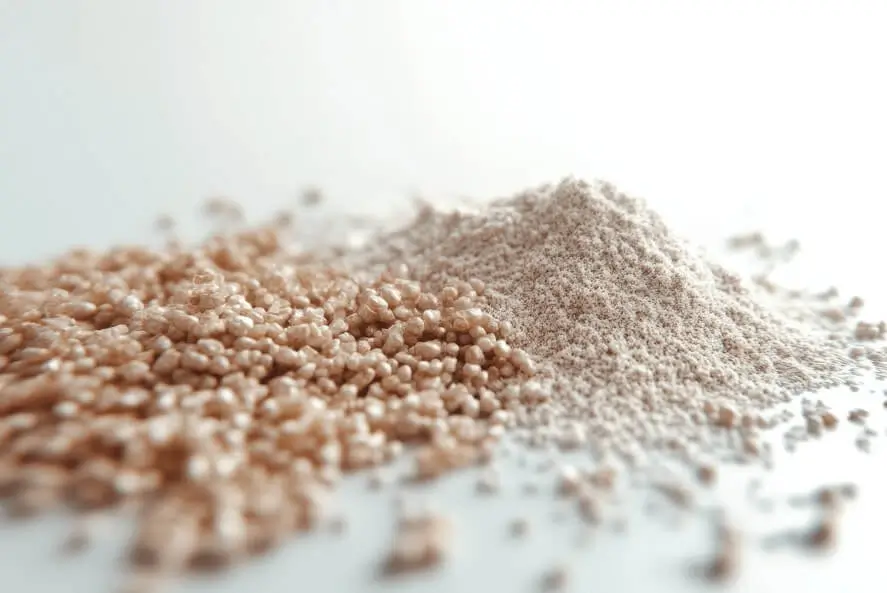
Growing fruit plants in containers requires the right soil mix to keep roots healthy, improve drainage, and retain enough moisture for steady growth. Two of the most popular soil additives used by container gardeners are perlite and vermiculite. While both improve potting soil, they serve different purposes and can affect your potted fruit plants in very different ways.
In this guide, you’ll learn the differences between perlite and vermiculite, their benefits, drawbacks, and which one works best for container fruit plants like citrus trees, strawberries, blueberries, figs, and dwarf fruit trees.
Why Perlite vs Vermiculite Matters for Container Fruit Gardening
Container fruit plants live in a very different environment than those grown in the ground. Roots can’t spread freely, excess water has nowhere to escape except through drainage holes, and soil compaction happens faster. This is where soil amendments like perlite and vermiculite become essential.
Fruit plants in pots need:
- Excellent drainage to prevent root rot
- Adequate moisture retention without waterlogging
- Good aeration so roots can breathe.
- Stable nutrient availability in a limited soil volume
Choosing between perlite and vermiculite directly affects all four of these factors. For example, poor drainage can undo even the best fertilizing plan—something we see often when gardeners struggle with soggy pots and yellowing leaves. This is closely related to the issues covered in our guide on improving drainage in pots, where soil structure is the foundation of success.
What Is Perlite?
Perlite is a naturally occurring volcanic glass that expands when heated. The result is a bright white, lightweight material full of tiny air pockets.
Key Properties of Perlite
- Excellent aeration and drainage
- Does not retain much water
- Chemically inert and pH neutral
- Will not break down over time
How Perlite Works in Containers
Perlite’s main job is to keep soil loose and airy. In containers, this prevents compaction and allows excess water to drain quickly. Oxygen can easily reach the roots, which is critical for fruit trees and berry plants that dislike “wet feet.”
Perlite is especially valuable in mixes that already contain moisture-holding ingredients, such as compost or coconut coir. If you’re using rich organic materials—as discussed in our article on compost for container fruit gardening—perlite helps balance them so roots don’t suffocate.
Best Uses for Perlite
- Citrus trees in pots
- Figs and stone fruit containers
- Blueberries and raspberries
- Any fruit plant is sensitive to overwatering.
What Is Vermiculite?
Vermiculite is a naturally occurring mineral that expands into soft, sponge-like flakes when heated. Unlike perlite, it holds a significant amount of water and nutrients.
Key Properties of Vermiculite
- High water retention
- Holds and slowly releases nutrients
- Improves soil structure
- Slightly alkaline to neutral pH
How Vermiculite Works in Containers
Vermiculite acts like a reservoir inside the potting mix. It absorbs water during irrigation and releases it slowly as the soil dries. It also binds nutrients, reducing leaching—a common issue in container gardening.
This makes vermiculite particularly useful for fast-drying environments or for gardeners who can’t water frequently. However, in poorly draining pots, too much vermiculite can easily lead to soggy soil.
If you’ve ever reused old potting mix and noticed it stays wet for days, the issue may be excess moisture retention—something we cover in detail in our how-to refresh old potting soil.
Best Uses for Vermiculite
- Seed starting mixes
- Leafy greens and herbs
- Shallow-rooted fruit plants
- Hot, dry climates with frequent evaporation
Perlite vs Vermiculite for Containers: Side-by-Side Comparison
| Feature | Perlite | Vermiculite |
| Drainage | Excellent | Moderate |
| Aeration | Very high | Low to moderate |
| Water retention | Low | High |
| Nutrient holding | Minimal | High |
| Best for fruit trees | ✅ Yes | ⚠️ Limited |
| Risk of waterlogging | Very low | Moderate to high |
For most container-grown fruit, perlite is the safer and more versatile choice. Vermiculite becomes useful only in specific situations where moisture retention is a priority.
Which One Is Better for Potted Fruit Plants?
For Fruit Trees in Pots
Perlite is almost always the better option. Fruit trees require oxygen-rich soil and consistent drainage to avoid root diseases. Too much vermiculite can suffocate roots over time.
For Berries in Containers
A mix of mostly perlite with a small amount of vermiculite works well. Berries like evenly moist soil but still need airflow. This balance supports healthy roots and steady fruiting.
For Seedlings and Propagation
Vermiculite shines here. Its moisture retention and gentle texture help young roots establish without drying out.
For Dry, Hot Climates
Vermiculite can be helpful, but only when paired with excellent drainage. Many gardeners in hot regions combine it with perlite to avoid extremes.
Step-by-Step: How to Use Perlite and Vermiculite Correctly
Step 1: Start With a Quality Base Mix
Use a high-quality potting soil—not garden soil. This ensures proper structure and disease-free roots.
Step 2: Choose the Right Amendment
- Use perlite if drainage is your priority.
- Use vermiculite only if moisture retention is needed.
Step 3: Recommended Ratios for Fruit Containers
- General fruit trees:
- 60% potting mix
- 30% perlite
- 10% compost
- Moisture-sensitive berries:
- 60% potting mix
- 20% perlite
- 10% vermiculite
- 10% compost
Step 4: Mix Thoroughly
Uneven mixing creates wet pockets. Blend everything evenly before filling containers.
Step 5: Test Drainage
Water the pot fully. If water drains within seconds and doesn’t pool on top, your mix is balanced.
Common Mistakes Beginners Make
Using Vermiculite Alone
This almost always leads to waterlogged soil in containers, especially for fruit trees.
Confusing Perlite With Styrofoam
Some gardeners avoid perlite because they think it’s plastic. Perlite is a natural mineral and safe for edible gardening.
Ignoring Drainage Holes
Even the best soil mix fails without proper drainage. Always pair perlite-based mixes with containers that drain well—something we emphasize in our guide on improving drainage in pots.
Over-Amending the Soil
More is not better. Excess perlite can dry soil too quickly; excess vermiculite can suffocate roots.
Tools, Soil, and Container Tips for Best Results
- Choose deep containers for fruit trees to encourage strong root systems.
- Combine perlite with organic matter, such as compost, to balance nutrients.
- Avoid reusing old mixes without refreshing structure and nutrients—see if you can reuse potting soil for safe methods.
- Monitor watering closely when using vermiculite.
A well-balanced soil mix reduces the need for constant fertilizing and prevents stress that leads to poor yields.
FAQ: Perlite vs Vermiculite for Containers
Is perlite or vermiculite better for fruit trees in pots?
Perlite is better because it improves drainage and root aeration, which fruit trees need to thrive in containers.
Can I mix perlite and vermiculite together?
Yes. A small amount of vermiculite combined with perlite can balance moisture and airflow, especially for berries or hot climates.
Does perlite add nutrients to soil?
No. Perlite is inert and does not provide nutrients. It improves structure only.
Does vermiculite cause root rot?
Not directly, but its high water retention can create conditions that lead to root rot if drainage is poor.
How often should I replace perlite-based soil?
Typically, every 1–2 years, or when the soil becomes compacted or nutrient-depleted.
Conclusion: The Right Choice for Healthy Container Fruit Plants
When it comes to perlite vs vermiculite for containers, the answer isn’t about which is better overall—it’s about which is right for your specific plants. For most container fruit trees and berry plants, perlite is the clear winner, providing the drainage and aeration that roots need to stay healthy. Vermiculite has its place, but only in moderation and specific conditions.
For best results, focus on building a balanced potting mix, choose containers with proper drainage, and adjust your soil structure before problems appear. With the right foundation, your potted fruit plants will reward you with stronger growth, fewer issues, and more reliable harvests.