
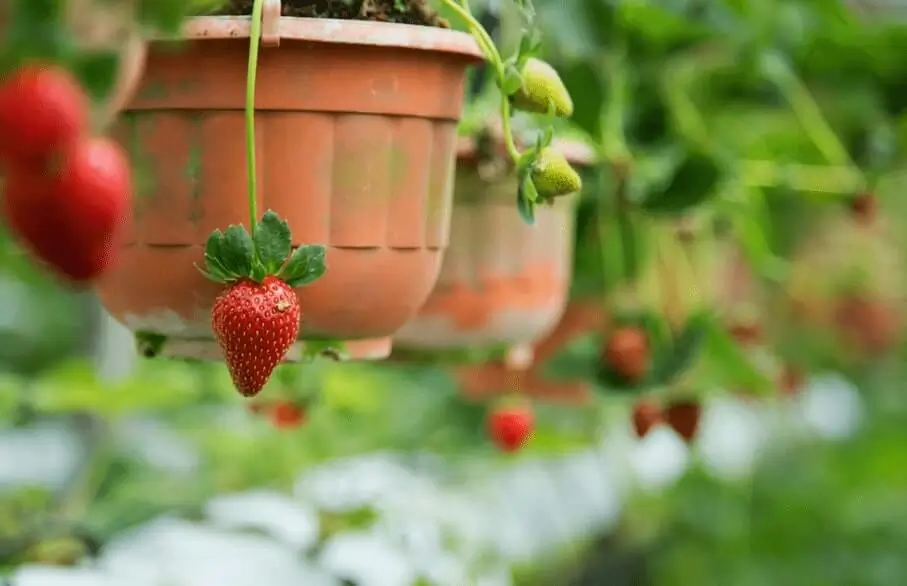
Container fruit gardening becomes much easier when you follow a simple monthly care routine instead of guessing what your trees need throughout the year. From watering and fertilizing to pruning and protecting your plants from heat or cold, small monthly tasks can keep your container fruit trees healthy, productive, and stress-free. Whether you grow citrus, figs, berries, apples, or tropical fruit trees in pots, having a year-round plan helps beginners avoid common mistakes and enjoy better harvests with less effort.
If you’ve ever wondered what to do each month to maintain thriving container fruit trees, this guide provides a beginner-friendly seasonal checklist that simplifies fruit tree care from January through December.
Why Monthly Tasks Matter in Container Fruit Gardening
Container-grown fruit plants live in a much more controlled—and fragile—environment than those grown in the ground. Their roots are confined, soil nutrients deplete more quickly, and water levels fluctuate more quickly. That’s why timing matters so much.
Here’s why following container fruit gardening monthly tasks makes a real difference:
- Prevents stress and shock: Seasonal care aligns with natural growth cycles.
- Improves fruit production: Correct feeding and pruning timing lead to better flowering and fruit set.
- Reduces problems: Many pests, diseases, and nutrient issues are seasonal in nature.
- Saves time and money: You avoid unnecessary fertilizers, treatments, and replacements.
If you’re new to growing fruit in pots, it helps to first understand the basics in this container fruit gardening checklist for beginners, which covers setup essentials before you dive into monthly care.
Container Fruit Gardening Monthly Tasks: Step-by-Step Yearly Guide
Below is a practical month-by-month breakdown you can follow year after year. Climate may vary slightly, but these tasks apply to most temperate regions.
January: Rest, Inspect, and Protect
January is about protection, not growth.
Key tasks:
- Check pots for drainage blockages.
- Protect containers from freezing by raising them off the cold ground.
- Water sparingly—only when the soil is dry.
- Inspect branches for damage or disease.
This is also a good time to review how deep your containers are. Shallow pots can more easily expose roots to cold. Use this guide to determine how deep to set fruit tree containers, and make adjustments before spring.
February: Prepare for the Growing Season
Plants are still dormant, but spring is approaching.
Key tasks:
- Clean pots and remove dead leaves.
- Prune dormant fruit trees lightly.
- Refresh the top layer of potting mix.
- Plan fertilization schedule.
Avoid heavy pruning now if you’re unsure—over-pruning is a common beginner error.
March: Wake-Up Month
Growth begins slowly this month.
Key tasks:
- Start regular watering as temperatures rise.
- Apply the first light feeding of the season.
- Repot root-bound plants if needed.
- Move containers into better light.
Choosing the right growing medium is critical now. This article on the best soil for fruit in pots explains how to improve drainage and nutrient retention.
April: Active Growth Begins
Plants enter a strong vegetative phase.
Key tasks:
- Increase watering frequency.
- Apply balanced fertilizer.
- Monitor for pests like aphids.
- Train branches and supports.
If space is limited, review these container fruit gardening tips for small spaces to maximize light and airflow.
May: Flowering and Early Fruit Set
This is a crucial month.
Key tasks:
- Maintain consistent watering.
- Avoid high-nitrogen fertilizers.
- Hand-pollinate if needed.
- Protect flowers from strong winds.
Stress during flowering often leads to poor fruit set, so consistency matters.
June: Fruit Development Phase
Fruit is forming and growing.
Key tasks:
- Increase watering during hot days.
- Feed with potassium-rich fertilizer.
- Thin excess fruit to prevent branch stress.
- Check containers for stability.
If you’re unsure about feeding schedules, this step-by-step guide to feeding potted fruit trees can help you avoid under- or over-fertilizing.
July: Peak Summer Care
Summer heat is challenging for containers.
Key tasks:
- Water deeply, sometimes daily.
- Mulch the soil surface to retain moisture.
- Provide shade during extreme heat.
- Watch for pests and leaf scorch.
Self-watering systems can be especially helpful now. Consider upgrading after reading about self-watering containers for fruit trees.
August: Maintain and Monitor
Fruit is nearing maturity.
Key tasks:
- Reduce nitrogen feeding.
- Continue deep watering.
- Harvest early fruits regularly.
- Remove damaged or diseased fruit.
Overfeeding late in summer often causes weak growth heading into fall.
September: Harvest and Transition
Many fruits ripen this month.
Key tasks:
- Harvest ripe fruit promptly.
- Reduce watering slightly.
- Stop fertilizing.
- Clean fallen leaves.
This is also a good time to evaluate which varieties performed best in containers.
October: Slow Down Growth
Plants prepare for dormancy.
Key tasks:
- Light pruning only if necessary.
- Move pots away from harsh winds.
- Inspect roots and containers.
- Add insulation around pots if needed.
Avoid repotting now—wait until late winter.
November: Winter Preparation
Cold weather arrives.
Key tasks:
- Reduce watering significantly.
- Move tender plants indoors or to sheltered areas.
- Check soil moisture monthly.
- Protect pots with mulch or covers.
Urban gardeners may benefit from reviewing the best fruit trees for urban areas when planning replacements or additions next year.
December: Rest and Review
The quietest month.
Key tasks:
- Minimal watering.
- Inspect for pests hiding in bark.
- Plan improvements for next season.
- Order supplies early.
This is the perfect time to reflect on what worked and what didn’t.
Common Mistakes Beginners Make with Monthly Care
Even motivated gardeners make these errors:
- Watering on a fixed schedule instead of checking soil moisture.
- Fertilizing during dormancy.
- Using containers that are too small.
- Ignoring seasonal light changes.
- Skipping pest inspections until damage appears.
Following a monthly plan helps prevent most of these issues before they become serious.
Tools, Containers, and Care Tips That Make Monthly Tasks Easier
You don’t need many tools, but the right ones matter:
- Moisture meter or finger soil test
- Pruning shears
- Balanced slow-release fertilizer
- Mulch for moisture control
- Wheeled plant caddies for easy movement
Choosing the right container material also affects watering and temperature control. Clay, plastic, and fabric pots all behave differently throughout the year.
Frequently Asked Questions (FAQ)
How often should I water container fruit plants each month?
It depends on temperature and growth stage. Summer may require daily watering, while winter may only need water once every few weeks.
Do all fruit trees need monthly fertilizing in containers?
No. Fertilize mainly during active growth (spring to mid-summer). Avoid feeding in fall and winter.
Can I follow the same monthly tasks indoors?
Mostly yes, but indoor plants grow more slowly. Reduce watering and feeding accordingly.
What happens if I skip a month of care?
One missed month won’t ruin your plants, but repeated neglect often leads to poor fruiting or plant stress.
Are monthly tasks the same for berries and fruit trees?
The principles are similar, but berries usually need more frequent watering and less pruning.
Conclusion: Your Simple Path to Consistent Harvests
Following the container fruit gardening monthly tasks removes guesswork and builds confidence. When you care for your plants according to the season, they reward you with stronger growth, healthier roots, and better fruit production—even in small spaces.
Start by saving this guide, then focus on just the current month. As you gain experience, these tasks will become second nature. For your next step, review your containers, soil, and watering setup—and make one small improvement this week. Consistency, not perfection, is what turns container fruit gardening into a long-term success.