
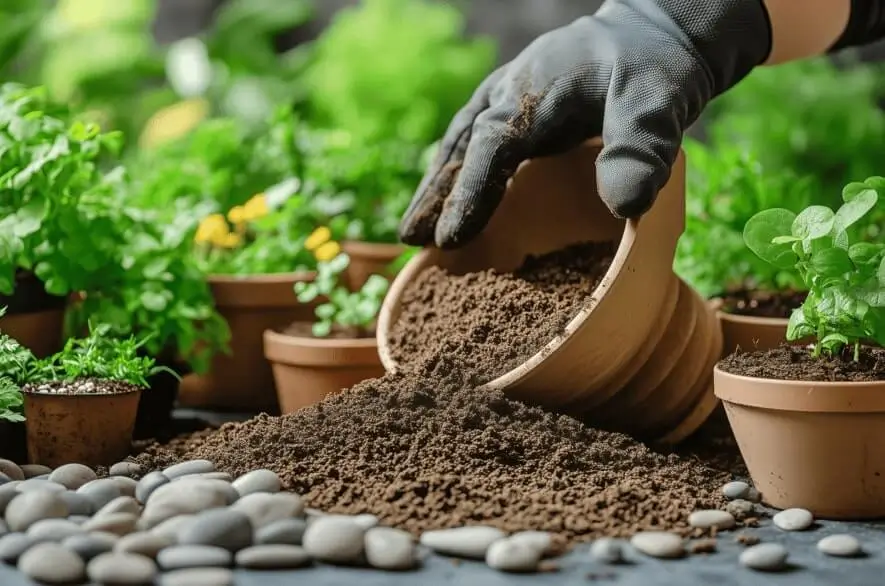
Choosing the right soil brand is one of the most important steps for growing healthy fruit trees in containers or backyard gardens. High-quality soil improves drainage, supports strong root growth, retains the right amount of moisture, and provides essential nutrients for long-term plant health. With so many potting mixes and garden soils available, it can be difficult to know which brands truly work best for citrus trees, figs, berries, dwarf fruit trees, and other edible plants. In this guide, you’ll discover the best soil brands for fruit trees, what features to look for, and how to select the perfect soil mix for thriving container and home garden harvests.
Why the Best Soil Brands for Fruit Trees Matter in Container Gardening
Fruit trees grown in containers depend entirely on the soil you provide. Unlike in-ground trees that can explore surrounding soil layers, container-grown trees rely on a limited volume of growing medium for:
- Water retention
- Drainage and aeration
- Nutrient availability
- Root stability over multiple seasons
Low-quality soil often compacts quickly, leading to oxygen-starved roots and soggy conditions. This is one of the main causes of soil problems in container gardening, where trees struggle despite proper watering and sunlight.
High-quality commercial soil brands are formulated to avoid these issues. They typically include a blend of organic matter, aeration materials, and slow-release nutrients that support fruit trees over time. If you’ve ever wondered why some potted citrus or fig trees thrive while others decline, soil quality is usually the deciding factor.
For gardeners growing dwarf fruit trees, patio citrus, figs, or berries, choosing the right brand isn’t optional—it’s foundational.
What to Look for in the Best Soil Brands for Fruit Trees
Before comparing brands, it’s important to understand what actually makes a soil suitable for fruit trees.
1. Excellent Drainage Without Drying Out
Fruit tree roots need oxygen as much as water. Look for soils that include:
- Perlite or pumice for airflow
- Pine bark fines for structure
- Coconut coir or peat moss for moisture balance
If drainage is poor, you’ll eventually face root rot. If it’s too fast, the tree dries out and drops flowers or fruit.
2. Long-Term Structure
Fruit trees often stay in the same container for years. Cheap soils break down quickly, becoming dense and compacted. Premium soil brands are designed to maintain structure longer, helping you prevent soil compaction and reduce the need for frequent repotting.
3. Balanced, Gentle Nutrition
Over-fertilized soil can push leafy growth at the expense of fruiting. The best soil brands provide mild, slow-release nutrients that support steady growth. You can later supplement with targeted feeding, such as using the best fertilizer for flowering and fruiting when trees are established.
4. pH Compatibility
Most fruit trees prefer slightly acidic to neutral soil. Using high-quality soil makes it easier to maintain proper pH, especially when combined with occasional home soil pH testing.
Best Soil Brands for Fruit Trees (Trusted Options)
Below are some of the most reliable and widely used soil brands for fruit trees, particularly in containers and small-space gardens.
FoxFarm Happy Frog Potting Soil
Best for: Container fruit trees, figs, citrus, and berries
FoxFarm Happy Frog is a favourite among experienced gardeners. It offers excellent drainage while holding enough moisture for consistent growth. The organic ingredients support beneficial microbes, which help roots absorb nutrients efficiently.
Why it works well for fruit trees:
- Lightweight and airy
- Balanced nutrients without burning roots
- Performs well for long-term container growing
Miracle-Gro Performance Organics
Best for: Beginners who want convenience
This organic line is very different from traditional Miracle-Gro mixes. It’s gentler, better structured, and suitable for fruit trees when used correctly.
Best use tip: Pair it with proper drainage holes and avoid additional fertilizer early on to prevent overfeeding.
Espoma Organic Potting Mix
Best for: Organic gardeners and edible-focused growing
Espoma’s organic soil blends are well-suited for fruit trees, especially when amended slightly with extra perlite or bark for improved drainage.
This soil works particularly well if you plan to reuse potting soil safely by refreshing it between seasons.
Dr. Earth Pot of Gold Potting Soil
Best for: Long-term nutrition with minimal feeding
Dr. Earth soils include natural fertilizers that slowly release nutrients. This is ideal for gardeners who want fewer feeding schedules and steady growth.
Coast of Maine Stonington Blend
Best for: Premium organic container gardening
This is a higher-end option, but it excels for fruit trees that remain in pots for several years. The texture holds up well over time and supports strong root systems.
Step-by-Step: How to Use Soil Brands Correctly for Fruit Trees
Even the best soil brands for fruit trees won’t perform well if used incorrectly. Follow these steps for optimal results.
Step 1: Choose the Right Container
Select pots with multiple drainage holes. For most dwarf fruit trees, start with at least a 10–15-gallon container.
Step 2: Improve Drainage (If Needed)
Many soils benefit from light modification:
- Add 10–20% perlite or pumice
- Mix in pine bark fines for structure
This is especially useful if you’ve struggled with soil mistakes beginners make in the past.
Step 3: Plant at the Correct Depth
Never bury the trunk flare. The root crown should sit slightly above the soil surface to prevent rot.
Step 4: Water Thoroughly
After planting, water deeply until excess drains freely. This settles the soil and removes air pockets.
Step 5: Mulch Lightly
A thin layer of organic mulch helps regulate moisture, especially for those practicing mulching fruit trees in containers.
Common Mistakes Beginners Make When Choosing Soil Brands
Using Garden Soil in Pots
Garden soil compacts easily and drains poorly in containers. This mistake often leads to stunted growth and root disease.
Choosing the Cheapest Option
Low-cost soils break down quickly and require frequent replacement. Over time, this costs more than investing in a quality brand upfront.
Over-Fertilizing Too Soon
Many premium soils already contain nutrients. Adding fertilizer immediately can harm young roots. Wait until the tree shows active growth.
Ignoring Tree-Specific Needs
Citrus, figs, and berries each have slightly different preferences. For example, citrus benefits from very well-draining soil, while figs tolerate richer mixes. Matching soil choice to tree type improves success.
Tools, Soil Additives, and Care Tips That Make a Difference
To get the most from the best soil brands for fruit trees, consider these helpful additions:
- Perlite or pumice for aeration
- Coconut coir for moisture balance, especially in hot climates
- Slow-release organic fertilizer once trees are established
- Soil pH test kit to monitor long-term soil health
If your soil starts to feel dense over time, refreshing the top layer or learning how to improve poor potting soil can restore performance without full repotting.
FAQ: Best Soil Brands for Fruit Trees
What is the best soil brand for fruit trees in pots?
High-quality options like FoxFarm Happy Frog, Espoma Organic, and Coast of Maine Stonington Blend are among the best for container fruit trees.
Can I use regular potting soil for fruit trees?
Yes, but only if it offers good drainage and long-term structure. Many basic potting soils need amendments to work well for fruit trees.
How often should I replace soil for container fruit trees?
Every 2–3 years is typical, or sooner if the soil becomes compacted or drains poorly.
Is organic soil better for fruit trees?
Organic soils are often gentler and support soil life, making them a great choice for edible gardening.
Can I mix different soil brands together?
Yes. Mixing compatible soils can improve structure and drainage, especially if one mix is too dense.
Conclusion: Choosing the Best Soil Brands for Fruit Trees
The success of container fruit trees starts below the surface. By selecting one of the best soil brands for fruit trees, you give your plants the foundation they need for strong roots, healthy growth, and reliable fruiting. Focus on drainage, structure, and gentle nutrition rather than price alone.
For beginners, investing in quality soil reduces mistakes and makes care easier over time. Combine the right soil with proper containers, smart watering, and light feeding, and your fruit trees will reward you season after season.
Next steps:
Choose a soil brand suited to your fruit type, properly prepare your container, and monitor drainage during the first few weeks. Healthy soil today means better harvests tomorrow. 🍎🌱
Choose a soil brand suited to your fruit type, properly prepare your container, and monitor drainage during the first few weeks. Healthy soil today means better harvests tomorrow. 🍎🌱