
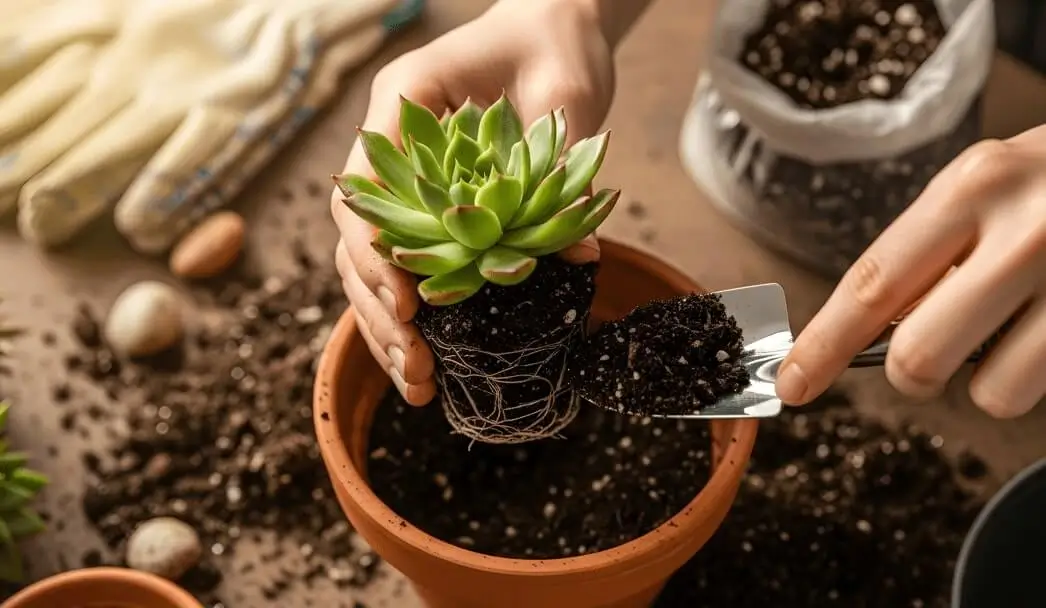
Struggling with poor potting soil in your containers? Weak growth, yellow leaves, compacted soil, and poor drainage can all prevent fruit plants from thriving. The good news is that you don’t always need to replace old soil completely. With a few simple improvements, you can revive tired potting mixes and create a healthier growing environment for your container fruit plants. In this beginner-friendly guide, you’ll learn how to identify poor potting soil, improve drainage and nutrients, and restore soil structure for stronger, healthier plants.
Why Improving Poor Potting Soil Matters for Container Fruit Gardening
Container fruit gardening is very different from growing in the ground. In pots, roots are completely dependent on the quality of the potting soil you give them. When that soil becomes compacted, depleted, or waterlogged, plants have nowhere else to turn.
Here’s why improving poor potting soil is critical:
- Limited root space means problems escalate faster than in garden beds.
- Nutrients wash out quickly with frequent watering.
- Drainage issues cause root rot far more easily in containers.
- Poor aeration suffocates roots, reducing growth and fruiting.
If you’ve ever wondered why a fruit tree grows well the first year but declines the next, soil breakdown is usually the cause. Instead of repeatedly replacing soil, improving it correctly saves money, time, and your plants.
Signs Your Potting Soil Needs Improvement
Before fixing anything, confirm the problem. Poor potting soil usually shows clear symptoms:
- Water pools on the surface or drains too slowly
- Soil dries rock-hard or pulls away from the pot edges.
- Roots circle tightly or smell sour when unpotted.
- Leaves turn yellow despite regular fertilizing.
- Growth is stunted, with few flowers or fruits.
If this sounds familiar, don’t worry—most container gardeners face this after one or two seasons.
Step-by-Step: How to Improve Poor Potting Soil
Step 1: Identify the Main Soil Problem
Poor potting soil usually falls into one (or more) of these categories:
- Compacted and dense → roots lack oxygen.
- Too sandy or fast-draining → nutrients wash out.
- Old and nutrient-depleted → plants starve.
- Hydrophobic (water-repellent) → water runs straight through
Knowing the dominant issue helps you choose the right fix.
Step 2: Improve Drainage and Aeration
If your soil stays wet or feels heavy, aeration is your first priority.
Best amendments for drainage:
- Perlite
- Pine bark fines
- Pumice
Mix 20–30% aerating material into the existing soil. This creates air pockets that keep roots healthy and prevent rot. If you’re unsure which amendment suits your containers best, this guide on perlite vs vermiculite for containers explains the differences clearly and helps you avoid common mistakes.
Step 3: Restore Organic Matter and Structure
Old potting soil breaks down over time, losing its crumbly texture. To rebuild it:
- Add finished compost (not raw)
- Mix in well-aged worm castings.
- Incorporate coconut coir for moisture balance.
Organic matter improves water retention without causing sogginess and feeds beneficial microbes. If you grow fruit trees, using coconut coir can significantly improve soil structure while keeping containers lightweight.
Step 4: Rebalance Water Retention
Some poor potting soil drains too fast, leaving roots dry even after watering. In this case:
- Add coconut coir or peat alternatives.
- Use vermiculite sparingly for moisture-holding
- Apply organic mulch on the soil surface.
If your soil alternates between soaking wet and bone dry, it’s a sign of uneven structure—a common issue covered in detail in this guide on soil problems in container gardening.
Step 5: Refresh Nutrients the Right Way
Improving poor potting soil isn’t just about texture—it’s also about fertility.
Instead of dumping strong fertilizers into weak soil:
- Start with compost or worm castings.
- Use slow-release organic fertilizer.
- Supplement with liquid feeds during active growth.
If you’re reusing old soil, follow a proven method to safely rebuild its nutrient levels. This article on refreshing old potting soil walks you through the process step by step without risking fertilizer burn.
Step 6: Fix Drainage at the Container Level
Sometimes the problem isn’t just the soil—it’s the pot.
- Ensure drainage holes are clear.
- Avoid gravel layers at the bottom (they worsen drainage)
- Use fabric pots or air-pruning containers when possible.
If your soil compacts repeatedly, learning how to prevent soil compaction can dramatically extend the life of your potting mix.
Improving Poor Potting Soil Without Repotting (Quick Fixes)
If repotting isn’t possible right now, try these surface-level fixes:
- Top-dress with compost (2–3 cm layer)
- Gently aerate with a chopstick or soil probe.
- Apply organic mulch to regulate moisture.
- Use diluted liquid fertilizer to compensate for low nutrients.
These methods won’t replace a full soil rebuild, but can keep plants healthy through the season.
Common Mistakes Beginners Make When Improving Potting Soil
Avoid these errors—they often make poor soil worse:
- Adding garden soil to containers (causes compaction)
- Overloading compost without aeration materials
- Using sand instead of perlite or bark
- Applying strong fertilizer to stressed roots
- Reusing soil without refreshing the structure and nutrients
If you’re planning to reuse potting soil regularly, make sure you understand whether it’s safe to do so without transferring pests or diseases.
Tools and Supplies That Make Soil Improvement Easier
You don’t need expensive gear, but these tools help:
- Hand trowel or soil scoop
- Bucket or mixing tub
- Perlite or bark fines
- Finished compost or worm castings
- Slow-release organic fertilizer
Optional but useful:
- Soil moisture meter
- Fabric grow bags
- Mulch (straw, bark, wood chips)
FAQ: How to Improve Poor Potting Soil
Can poor potting soil be fixed, or should it be replaced?
In most cases, poor potting soil can be improved by restoring aeration, organic matter, and nutrients. Full replacement is only necessary if the soil is diseased or heavily compacted beyond repair.
How often should potting soil be improved?
For container fruit plants, improve the soil at least once per year, ideally before the growing season begins.
Is compost alone enough to fix poor potting soil?
No. Compost adds nutrients but does not improve drainage on its own. Always combine it with aerating materials like perlite or bark fines.
Can I improve potting soil while plants are growing?
Yes, through top-dressing, gentle aeration, and liquid feeding—but major structural fixes are best done during repotting.
Why does potting soil get worse over time?
Repeated watering breaks down organic materials, washing out nutrients and collapsing air spaces. This is normal and expected in containers.
Conclusion: Turn Weak Potting Soil Into a Productive Growing Medium
Learning how to improve poor potting soil is one of the most valuable skills for container fruit gardeners. Instead of fighting yellow leaves, weak growth, and poor harvests, you can rebuild soil that supports healthy roots, balanced moisture, and steady nutrition.
Start by identifying the core problem, then improve drainage, restore organic matter, and refresh nutrients in steps. With the right approach, even tired, compacted soil can support strong growth and abundant fruit—season after season.
If you’re growing fruit in small spaces, soil quality isn’t optional—it’s everything. Take action now, and your containers will reward you for years to come. 🌱🍓