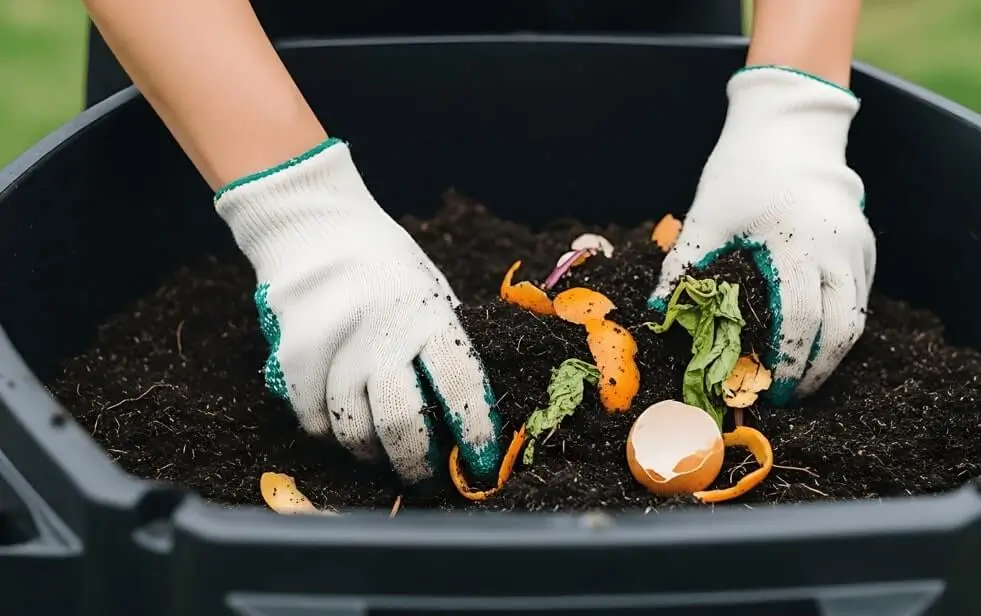
Many gardeners wonder if regular garden compost can be used in pots for growing fruits, vegetables, herbs, and flowers. Compost is rich in nutrients and organic matter, making it excellent for improving soil health. However, container gardening has different needs compared to garden beds. Using the wrong type or amount of compost in pots can lead to poor drainage, compacted soil, root problems, and unhealthy plants.
The good news is that garden compost can be used successfully in containers when mixed correctly with other ingredients. Understanding how compost affects moisture retention, airflow, and nutrients helps create the perfect potting mix for healthy container plants. In this guide, you’ll learn the benefits, disadvantages, and proper ways to use garden compost in pots for stronger roots and better plant growth.
Why This Topic Matters for Container Fruit Gardening
Garden compost is designed primarily to improve garden soil, not to replace potting mix. When used alone in pots, compost often:
- Holds too much water
- Compacts over time
- Reduces oxygen around roots
- Breaks down quickly, shrinking soil volume
For
fruit plants—especially citrus, figs, berries, and dwarf fruit trees—root health is everything. Poor aeration or drainage directly affects flowering, fruiting, and long-term plant survival.
If you’re already dealing with
slow growth, yellow leaves, or soggy pots, compost-heavy soil could be part of the problem. Understanding how compost behaves in containers helps you avoid these issues and build a
soil mix that supports strong roots and consistent harvests.
Can You Use Garden Compost in Pots? (Short Answer)
Yes—but never on its own.
Garden compost should be treated as an ingredient, not a
complete potting medium. The safest rule for container fruit gardening is:
Compost should make up no more than 20–30% of your total potting mix.
Used correctly, compost adds nutrients, beneficial microbes, and organic matter. Used incorrectly, it causes drainage problems and root stress.
Step-by-Step: How to Use Garden Compost in Pots Safely
1. Make Sure Your Compost Is Fully Mature
Immature compost is one of the biggest hidden dangers in container gardening. Fresh or partially decomposed compost can:
- Heat up pots
- Steal nitrogen from plants.
- Produce harmful gases
- Burn delicate roots
How to tell compost is ready:
- Dark brown or black color
- Crumbly, soil-like texture
- Earthy smell (never sour or rotten)
- No visible food scraps
If your compost doesn’t meet these criteria, don’t put it in containers yet.
2. Never Use Compost Alone in Pots
Pure compost lacks the structure container plants need. Instead, combine it with materials that improve drainage and aeration.
A safe all-purpose compost potting mix:
- 40–50% quality potting soil
- 20–30% finished garden compost
- 20–30% drainage material (perlite, pumice, or coarse sand)
This blend keeps roots oxygenated while still benefiting from compost nutrients.
If you’re unsure about drainage materials, our guide on perlite vs vermiculite for containers explains which option works best for different fruit plants.
3. Adjust Compost Use for Fruit Trees vs Small Plants
Not all container fruit plants have the same needs.
For fruit trees in pots:
- Use less compost (15–25%)
- Prioritize drainage and structure.
- Avoid heavy, fine compost textures.
For strawberries, herbs, and shallow-rooted edibles:
- Compost can be slightly higher (up to 30%)
- Still avoid pure compost.
For long-term plantings like citrus or figs, structure matters more than nutrients. You can always feed later—but you can’t fix suffocated roots easily.
4. Screen or Sift Compost Before Use (Optional but Recommended)
Homemade compost often contains chunky material, creating uneven moisture zones in pots.
Sifting compost:
- Improves texture consistency
- Prevents air pockets
- Reduces compaction risk
This step is especially useful for small containers and seedlings.
When Garden Compost Is a Bad Idea for Pots
There are situations where compost should be avoided or used very sparingly.
Avoid compost in pots if:
- The compost is unfinished or smelly.
- You’re growing plants that prefer very fast drainage (like citrus)
- The container has poor drainage holes.
- You already struggle with soggy soil.
If drainage is already an issue, compost can make it worse. In these cases, start with a lighter base and add nutrients through controlled feeding instead.
Common Mistakes Beginners Make with Compost in Containers
Using Garden Compost as Potting Soil
This is the #1 mistake. Compost is not a substitute for potting mix.
Adding Too Much Compost
More compost does not mean healthier plants. Excess compost leads to waterlogged roots and nutrient imbalance.
Ignoring Drainage
Even good compost fails in pots without proper drainage holes and airflow.
Reusing Old Compost Without Refreshing
Used compost loses structure quickly. If you plan to reuse soil, learn how to refresh old potting soil safely before adding new compost.
Mixing Compost with Garden Soil
Garden soil + compost in pots almost always leads to compaction. If you’re wondering why this happens, our article on soil problems in container gardening explains the science behind it.
Tools, Soil & Container Tips for Best Results
Choose the Right Container
- Always use pots with drainage holes.
- Avoid very deep pots with heavy compost mixes.
- Fabric pots help improve airflow if compost is included.
Balance Compost with Structural Materials
To keep soil light and breathable, combine compost with:
- Perlite or pumice
- Coconut coir (for moisture balance)
- Bark fines (for tree containers)
If you’re deciding between organic materials, our guide on coconut coir for fruit trees shows how it compares to compost in containers.
Feed Smart—Don’t Overload
Compost provides slow-release nutrients, but fruit plants in pots still need supplemental feeding. Instead of adding more compost:
- Use liquid organic fertilizers.
- Top-dress lightly once or twice per season
- Monitor leaf colour and growth.
This approach avoids nutrient overload while keeping plants productive.
FAQ: Garden Compost in Pots
Can you use garden compost in pots for fruit trees?
Yes, but only in small amounts (15–25%) mixed with potting soil and drainage materials.
Is compost better than potting mix for containers?
No. Compost improves potting mix but should never replace it in containers.
Can I use store-bought compost in pots?
Yes, if it’s labelled as screened, mature compost—but still mix it with potting soil.
Why do my potted plants struggle when I add compost?
Most often due to poor drainage, compacted roots, or immature compost.
Can compost attract pests in pots?
Yes, especially if it contains food scraps or isn’t fully decomposed. Always use finished compost.
Conclusion: The Right Way to Use Garden Compost in Pots
So, can you use garden compost in pots? Absolutely—but only when used correctly. Compost is a powerful soil amendment, not a standalone solution. For container fruit gardening, success comes from balance: nutrients, drainage, and structure working together.
Key takeaways:
- Never use compost alone in pots.
- Keep compost at 20–30% of the mix.
- Always pair it with drainage materials.
- Use mature, well-finished compost only.
If you’re building better soil for container fruit plants, compost can be an ally—not an enemy. Start small, observe your plants, and adjust gradually. Healthy roots lead to healthier harvests.