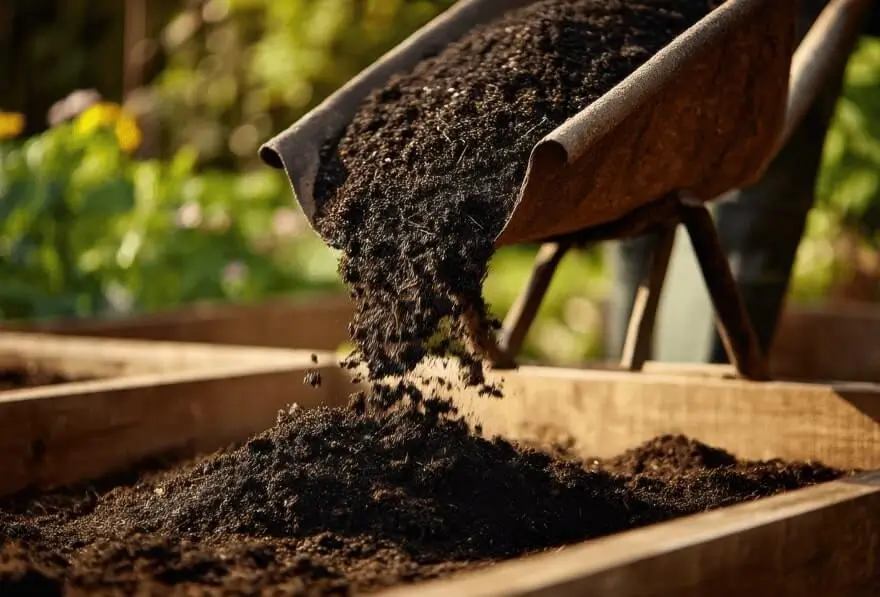
Container gardening is one of the easiest ways to grow healthy fruit plants in small spaces, but soil problems can quickly turn thriving plants into weak, unhealthy ones. Unlike garden soil in the ground, potting soil in containers has limited space, drains differently, and loses nutrients faster over time. Issues such as compacted soil, poor drainage, nutrient deficiencies, salt buildup, and fungal growth are common challenges for container gardeners.
The good news is that most soil problems in container gardening can be identified early and fixed before they seriously damage your plants. By understanding the causes and using the right long-term solutions, you can keep your container fruit plants healthy, productive, and full of life throughout the growing season.
Why Soil Problems Matter in Container Fruit Gardening
Container fruit plants depend entirely on the soil you provide. Unlike in-ground plants, they can’t expand their roots to search for better conditions. This makes soil quality the single most important factor in success.
Root Health Is Limited by Soil Quality
- Oxygen for respiration
- Consistent moisture without waterlogging
- Balanced nutrients
- Space to grow and expand
When soil becomes compacted or poorly structured, roots suffocate, leading to slow growth and nutrient deficiencies.
Drainage Issues Affect Every Growth Stage
Nutrient Problems Happen Faster in Pots
In containers:
- Nutrients leach out quickly.
- Overfertilizing causes salt buildup
- Deficiencies appear sooner
This is why choosing the right soil mix—and maintaining it—is essential for long-term productivity.
Soil Problems Reduce Fruit Yield
Even if your plant survives, poor soil leads to:
- Smaller fruit
- Fewer flowers
- Weak flavor
- Shorter plant lifespan
Common Soil Problems in Container Gardening (And How to Spot Them)
Before fixing soil problems, you need to recognize them early.
1. Soil Compaction
Symptoms:
- Water pools on the surface
- Soil feels hard and dense.
- Roots circle tightly at the bottom.
Why does it happen:
- Using garden soil instead of potting mix
- Overwatering
- Lack of aeration materials
2. Poor Drainage
Symptoms:
- Constantly wet soil
- Mushy roots
- Fungus gnats
If this sounds familiar, revisit your container setup and soil structure—especially drainage layers and pot size.
3. Nutrient Imbalance
Symptoms:
- Yellow leaves (nitrogen deficiency)
- Poor flowering (phosphorus deficiency)
- Weak stems (potassium imbalance)
This often occurs when old soil is reused without refreshing nutrients.
4. Salt Buildup
Symptoms:
- White crust on the soil surface
- Leaf burn at edges
- Stunted growth
Salt buildup is common with synthetic fertilizers and hard water.
5. Incorrect Soil pH
Symptoms:
- Nutrients present but not absorbed
- Slow growth despite fertilizing
Fruit plants are especially sensitive to pH imbalance.
Step-by-Step Solutions to Fix Soil Problems in Containers
Step 1: Remove and Inspect the Root Ball
Gently slide the plant out of the container:
- Check for circling roots.
- Trim dead or rotting sections.
- Loosen compacted roots
This alone can dramatically improve growth.
Step 2: Refresh or Replace the Soil
If you’re wondering whether old soil can be reused, the answer depends on its condition. In many cases, reusing potting soil safely is possible with proper amendments.
To refresh soil:
- Remove old roots
- Add compost or worm castings.
- Mix in aeration materials.
Step 3: Improve Soil Structure
Add materials that increase airflow and drainage:
- Perlite
- Pine bark fines
- Coconut coir
Choosing between perlite and vermiculite matters—especially in fruit containers. If you’re unsure which to use, learn the difference between perlite and vermiculite for containers to match the right amendment to your plants.
Step 4: Adjust Watering Practices
- Water deeply, not frequently
- Let excess water drain freely.
- Empty saucers after watering
Proper watering prevents compaction and salt buildup.
Step 5: Rebalance Nutrients
Use slow-release organic fertilizers to:
- Feed gradually
- Avoid salt accumulation
- Support steady growth
Avoid “quick fix” liquid feeds unless correcting a clear deficiency.
Best Soil Mix for Container Fruit Plants
A high-quality container soil should include:
- Base: Peat moss or coconut coir
- Drainage: Perlite or bark
- Nutrition: Compost or worm castings
Different fruits have slightly different needs. For example, citrus plants benefit from fast-draining mixes—this is why many growers follow specialized blends like the best soil for citrus trees in pots.
Container Size Also Matters
Small containers worsen soil problems by:
- Drying faster
- Compacting quicker
- Accumulating salts
Always match pot size to plant maturity.
Common Beginner Mistakes That Cause Soil Problems
Using Garden Soil in Containers
Garden soil:
- Compacts easily
- Drains poorly
- Lacks aeration
Always use container-specific mixes.
Overwatering “Just in Case”
Overwatering is the fastest way to destroy the soil structure in container soil.
Ignoring Old Soil
Old soil becomes depleted and compacted over time. Learning how to refresh old potting soil can save money and improve plant health.
Overfertilizing
More fertilizer does not mean faster growth—it often means root damage.
No Drainage Holes
Even the best soil fails without proper drainage.
Tools, Containers, and Care Tips for Healthy Soil
Essential Tools
- Hand fork for loosening soil
- Moisture meter (optional)
- Quality pruners
Best Containers for Soil Health
- Fabric grow bags (excellent aeration)
- Plastic pots with multiple drainage holes
- Avoid sealed decorative pots.
Seasonal Soil Maintenance
- Spring: Refresh nutrients
- Summer: Monitor moisture closely
- Fall: Reduce feeding
- Winter: Avoid waterlogging
FAQ: Soil Problems in Container Gardening
Why does my container soil dry out too fast?
Light mixes with high-perlite-content dry quickly. Add coconut coir or compost to improve moisture retention.
Can I fix compacted soil without repotting?
Yes, gently aerate the top layer and improve watering habits—but severe compaction requires repotting.
How often should I replace potting soil?
Every 1–2 years for fruit plants, or refresh annually with compost and amendments.
Is mould on soil harmful?
White mould is usually harmless but indicates excess moisture and poor airflow.
Should I add gravel to the bottom of pots?
No. Gravel does not improve drainage and can worsen water retention.
Conclusion: Build Better Soil, Grow Better Fruit
Soil problems in container gardening don’t happen overnight—but they also don’t fix themselves. The key is understanding how containers change soil behaviour and responding with smart, proactive care. By improving drainage, preventing compaction, balancing nutrients, and refreshing soil regularly, you create an environment where fruit plants thrive rather than struggle.
Start by inspecting your containers today. Adjust one problem at a time, upgrade your soil mix, and use the right containers for your space. Healthy soil leads to stronger roots, better flowering, and consistently better harvests—no matter how small your garden is.