
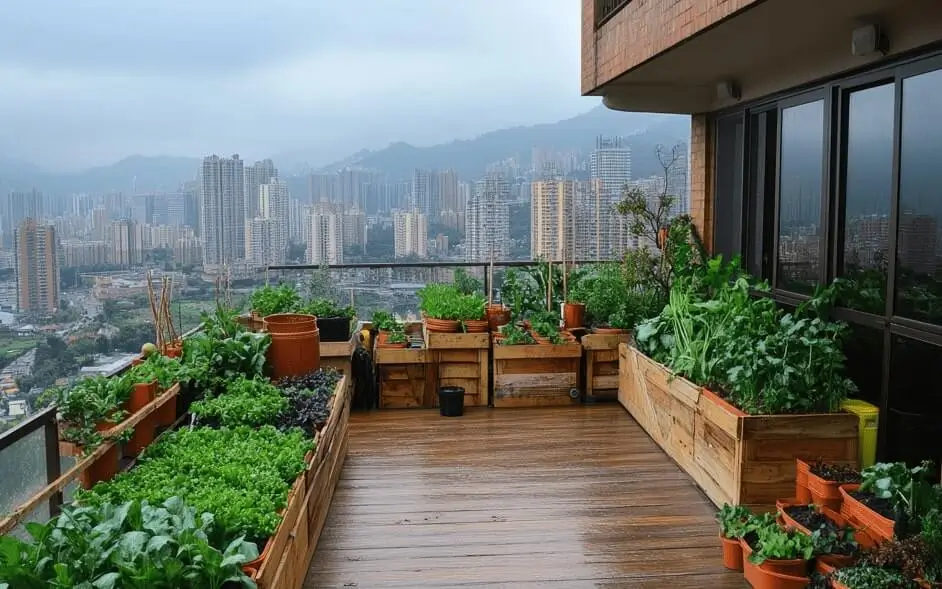
Growing citrus trees in containers is one of the best ways to enjoy fresh lemons, limes, oranges, and mandarins even if you only have a balcony, patio, or small backyard. The best citrus trees for containers stay compact, adapt well to pots, and still produce flavorful fruit with proper care. Whether you are a beginner gardener or simply working with limited space, choosing the right citrus variety can make container gardening easier and far more rewarding.
Why Grow Citrus Trees in Containers?
Container-grown citrus is one of the smartest choices for small-space gardeners.
Key benefits include:
- Size control: Pots naturally limit growth, keeping trees compact.
- Mobility: You can move trees to protect them from frost or extreme heat.
- Better soil management: Ideal for gardeners dealing with poor native soil.
- Easier care: Watering, feeding, and pest control are simpler in containers.
For beginners exploring container fruit gardening, citrus trees are both rewarding and manageable when the right varieties are chosen.
What Makes a Citrus Tree Suitable for Containers?
Not all citrus trees adapt well to pots. The best container citrus trees share a few essential traits.
Key Characteristics to Look For
- Naturally compact growth habit
- Dwarf or semi-dwarf rootstock
- Good tolerance of root restriction
- Reliable fruiting in limited space
Dwarf vs. Standard Citrus Trees
- Dwarf citrus trees are grafted onto special rootstocks that limit height (usually 6–10 feet).
- Standard citrus trees can reach 20 feet or more and struggle in containers.
👉 Always choose dwarf varieties if your goal is long-term success in pots.
Best Citrus Trees for Containers (Top Picks)
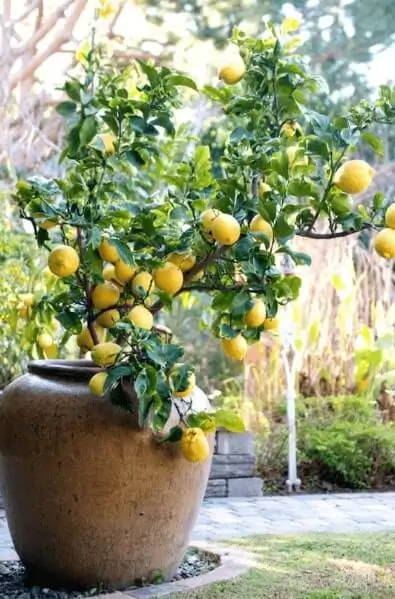
1. Dwarf Lemon Trees (Best Overall Choice)
Why they’re ideal:
- Consistent fruit production
- Strong fragrance and ornamental appeal
- Adapt well to pruning.
Top varieties:
- Meyer lemon (mild flavour, heavy producer)
- Lisbon lemon (more traditional tartness)
Container size: 15–20 gallons
Sun needs: 6–8 hours daily.
Sun needs: 6–8 hours daily.
2. Calamondin Orange (Best for Beginners)
This compact citrus is one of the easiest to grow in pots.
Benefits:
- Naturally small tree
- Flowers and fruits year-round
- Excellent indoor/outdoor adaptability
Flavour note: Tart, best for marmalades and cooking.
3. Key Lime (Mexican Lime)
Perfect for warm climates and patios.
Why it works well:
- Compact growth
- Heavy fruiting when mature
- Thrives in containers with good drainage
Tip: Protect from cold—this variety is frost-sensitive.
4. Dwarf Mandarin & Clementine Trees
If you love sweet citrus, these are excellent choices.
Popular options:
- Clementine
- Satsuma mandarin
Advantages:
- Easy-to-peel fruit
- Less acidic
- Compact canopy with pruning
5. Kumquat Trees (Best Cold Tolerance)
Kumquats are unique because you eat the peel and all.
Why gardeners love them:
- Naturally dwarf size
- Attractive glossy foliage
- Better cold tolerance than most citrus
Best variety: Nagami kumquat
How to Plant Citrus Trees in Containers (Step-by-Step)
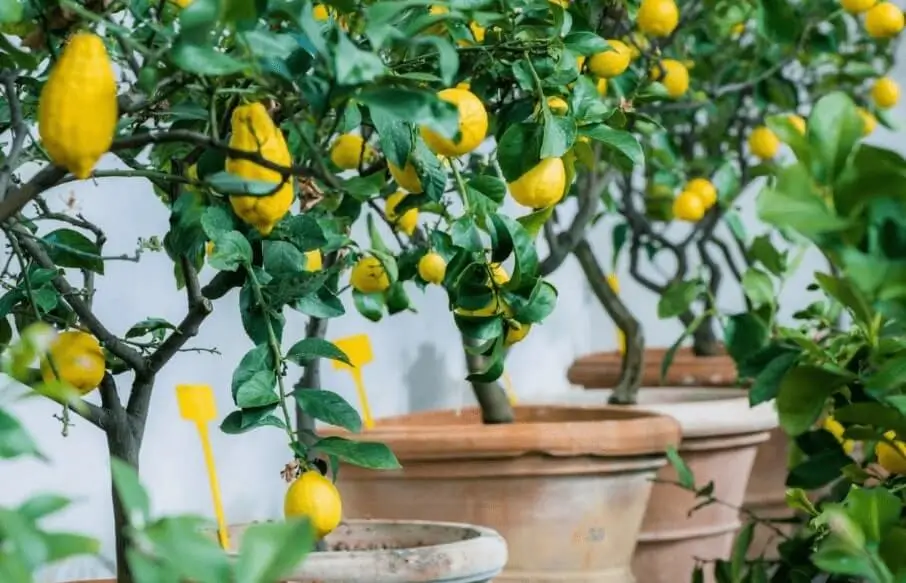
Step 1: Choose the Right Pot
- Minimum 12–15 gallons for young trees
- Must have multiple drainage holes
- Materials: terracotta, plastic, or fabric pots
Step 2: Use the Correct Soil Mix
Avoid garden soil—it compacts easily.
Use a fast-draining mix similar to what’s recommended in the best soil for fruit in pots:
- High-quality potting mix
- Perlite or pumice
- Pine bark or coco coir
Step 3: Plant at the Right Depth
- Keep the graft union above soil level.
- Firm soil gently—don’t compact.
Step 4: Water Thoroughly
Water until excess drains freely from the bottom.
Essential Care Tips for Container Citrus Trees
Watering: The Most Common Problem
Overwatering is the #1 mistake beginners make.
Best practice:
- Water deeply
- Let the top 2 inches of soil dry before watering again.
For seasonal guidance, follow a proper watering schedule for potted fruit to avoid root rot.
Fertilizing for Healthy Growth
Citrus are heavy feeders.
Use:
- Citrus-specific fertilizer
- Slow-release granules + liquid feeds
Learn more about timing and nutrient requirements for fertilizing fruit trees in containers.
Pruning & Size Control
- Prune lightly after harvest.
- Remove dead or crossing branches.
- Shape for airflow and sunlight
Common Mistakes to Avoid
- ❌ Using pots without drainage holes
- ❌ Planting standard-size citrus trees
- ❌ Letting roots sit in soggy soil
- ❌ Ignoring winter protection
- ❌ Over-fertilizing young trees
Avoiding these mistakes can mean the difference between years of frustration and a productive citrus harvest.
Tips for Maximum Fruit Production
- Rotate pots weekly for even sunlight.
- Hand-pollinate flowers indoors using a soft brush.
- Repot every 2–3 years to refresh the soil.
- Protect trees from temperatures below 40°F (4°C)
FAQ: Best Citrus Trees for Containers
1. What is the easiest citrus tree to grow in a pot?
Calamondin orange and Meyer lemon are the most beginner-friendly options.
2. How big do container citrus trees get?
Most dwarf varieties reach 6–10 feet with pruning.
3. Can citrus trees grow indoors year-round?
Yes, if they receive strong light (a south-facing window or a grow light).
4. How often should I fertilize container citrus?
Every 4–6 weeks during the growing season.
5. Do citrus trees need full sun in containers?
Yes—at least 6 hours of direct sunlight daily.
Conclusion: Choose the Right Tree, Enjoy the Harvest
Growing citrus in containers is one of the most rewarding ways to enjoy fresh fruit in small spaces. By selecting the best citrus trees for containers, using proper soil, and following smart watering and feeding practices, even beginners can succeed.
If you’re just starting your journey, explore more practical guides on GrowFruitly to build confidence and grow healthier, more productive fruit trees—one pot at a time 🍋🌱