
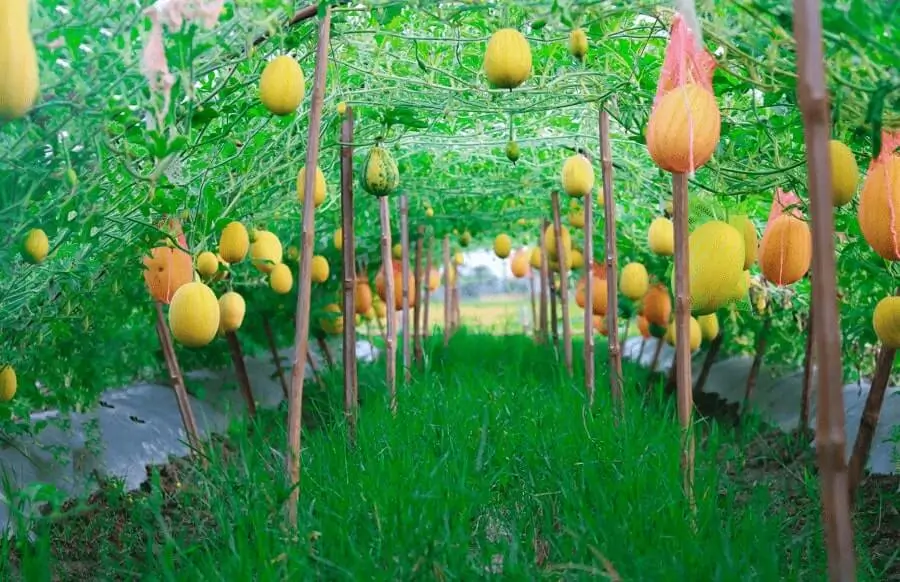
Want to grow fresh fruit even if you only have a tiny balcony, patio, or small backyard? Vertical fruit gardening is one of the smartest ways to maximize space while keeping your garden beautiful and productive. By growing upward instead of outward, you can enjoy strawberries, grapes, passion fruit, berries, and even compact fruit trees without needing a large garden. This beginner-friendly guide explains how vertical fruit gardening works, the best plants to grow vertically, and how to create a healthy fruit garden in small spaces.
What Is Vertical Fruit Gardening?
Vertical fruit gardening is the practice of training fruit plants to grow upward using supports such as trellises, cages, espaliers, wall-mounted planters, or stacked containers.
Instead of letting plants sprawl across the ground, you guide their growth vertically. This approach is especially effective for container gardening, urban gardens, and small-space growing.
Why Vertical Growing Works So Well
Growing fruit vertically isn’t just about saving space. It also improves overall plant health.
Key advantages include:
- Better air circulation reduces fungal diseases.
- Improved sunlight exposure
- Easier pruning, watering, and harvesting
- Cleaner fruit with less soil contact
- Higher yields per square foot
For anyone interested in container fruit gardening for beginners, vertical systems are one of the smartest places to start.
Benefits of Vertical Fruit Gardening in Small Spaces
1. Maximize Limited Space
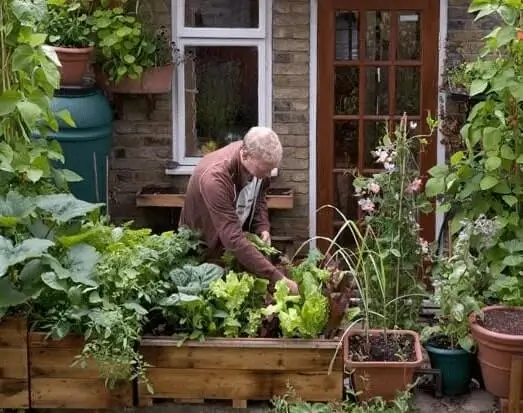
Vertical growing lets you turn unused vertical surfaces—walls, fences, railings—into productive fruit-growing zones. Even a narrow balcony can support multiple fruit plants when grown upward.
2. Easier Maintenance
When plants are upright:
- Water reaches roots more evenly.
- Pests are easier to spot.
- Pruning is faster and more precise.
This pairs well with a consistent watering schedule for potted fruit, especially in warm climates.
3. Healthier Plants and Better Fruit
Vertical systems improve airflow and light penetration, which leads to:
- Fewer fungal issues
- Stronger growth
- Sweeter, more evenly ripened fruit
Best Fruits for Vertical Fruit Gardening
Not all fruits grow well vertically. Choose varieties that naturally climb, trail, or adapt well to training.
Climbing and Vining Fruits
These are ideal for beginners:
- Grapes – Excellent for pergolas and trellises
- Passion fruit – Fast-growing and highly productive
- Kiwi (dwarf varieties) – Needs strong support.
Compact and Trainable Fruit Trees
Certain fruit trees can be trained vertically using espalier techniques:
- Apples
- Pears
- Figs
- Citrus (lemons, limes, calamondin)
These trees thrive in containers when paired with the best soil for fruit in pots and regular pruning.
Small Fruits Perfect for Vertical Systems
- Strawberries (tower planters or wall pockets)
- Raspberries and blackberries (trellised canes)
- Dwarf blueberries (supported containers)
Vertical Fruit Gardening Systems Explained
Trellises and Cages
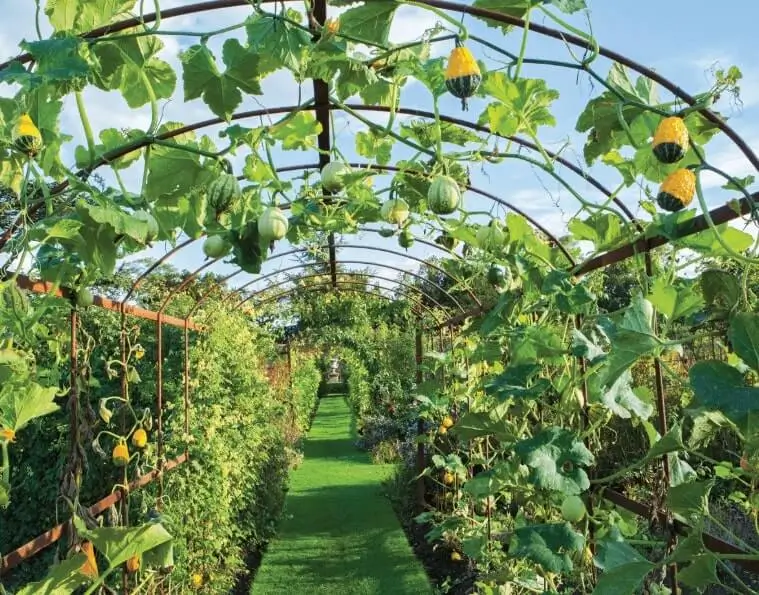
The most common and flexible option.
- Wooden, metal, or bamboo trellises
- Ideal for grapes, berries, and passion fruit
Espalier (Flat-Trained Fruit Trees)
Espalier involves training branches horizontally along wires or frames.
- Perfect for walls and fences
- Saves space while maintaining tree productivity
Wall-Mounted and Pocket Planters
Best for shallow-rooted fruits like strawberries.
- Great for balconies and patios
- Require frequent watering
Stacked Containers and Towers
Vertical pots stacked upward.
- Ideal for renters
- Easy to move and rearrange
Step-by-Step: How to Start Vertical Fruit Gardening
Step 1: Choose the Right Location
Fruit plants need:
- 6–8 hours of direct sunlight
- Protection from strong wind
- Easy access to water
South- or west-facing walls work best.
Step 2: Select Suitable Containers
Choose containers that:
- Have drainage holes
- Are deep enough for roots
- They are stable and heavy.
For fruit trees, larger containers reduce watering stress and support long-term growth.
Step 3: Use Quality Soil
Healthy roots are the foundation of vertical success. Use a well-draining mix rich in organic matter. A guide on the best soil for fruit in pots can help you avoid compacted or nutrient-poor soil.
Step 4: Install Supports Early
Always install trellises or frames before planting.
- Prevent root disturbance later.
- Guide growth from day one
Step 5: Plant and Train Gently
- Tie branches loosely using soft ties.
- Avoid bending young stems too sharply.
- Train gradually over time.
Step 6: Water and Feed Properly
Vertical containers dry out faster. Follow a consistent watering schedule for potted fruit and feed regularly using methods explained in fertilizing fruit trees in containers.
Best Practices for Vertical Fruit Gardening
- Prune regularly to control shape and airflow.
- Rotate containers occasionally for even sun exposure.
- Check ties to prevent stem damage.
- Mulch containers to reduce moisture loss
Consistency is more important than complexity.
Common Mistakes to Avoid
Overcrowding Plants
Too many plants in one vertical system leads to:
- Poor airflow
- Weak growth
- Low fruit production
Ignoring Support Strength
Fruit gets heavy. Weak supports can collapse mid-season. Always overbuild supports.
Poor Water Management
Underwatering is the most common issue in vertical systems. Small containers dry quickly, especially in summer.
Tips for Long-Term Success
- Start small and expand gradually.
- Choose dwarf or compact varieties.
- Observe plants weekly and adjust care.
- Keep notes on pruning and feeding schedules.
Vertical fruit gardening improves with experience.
FAQ: Vertical Fruit Gardening
Can fruit trees really grow vertically?
Yes. With espalier training, many fruit trees grow flat against walls while still producing quality fruit.
What fruits are easiest for beginners?
Strawberries, grapes, and dwarf citrus are beginner-friendly and adapt well to vertical systems.
Do vertical fruit gardens need more water?
Usually yes. Containers dry faster, so monitoring moisture is essential.
How long before I get fruit?
Small fruits may produce in the first year. Trees typically take 2–3 years.
Can vertical fruit gardening work indoors?
Only with strong grow lights and compact varieties. Outdoors is far easier and more productive.
Conclusion: Is Vertical Fruit Gardening Worth It?
Vertical fruit gardening is one of the most effective ways to grow fresh fruit in limited space. With the right setup, proper soil, consistent watering, and smart pruning, even beginners can enjoy impressive harvests on balconies, patios, and small yards.
If you’re ready to take the next step, explore more practical guides on GrowFruitly to build a complete, productive container fruit garden—one vertical space at a time. 🌱🍓