
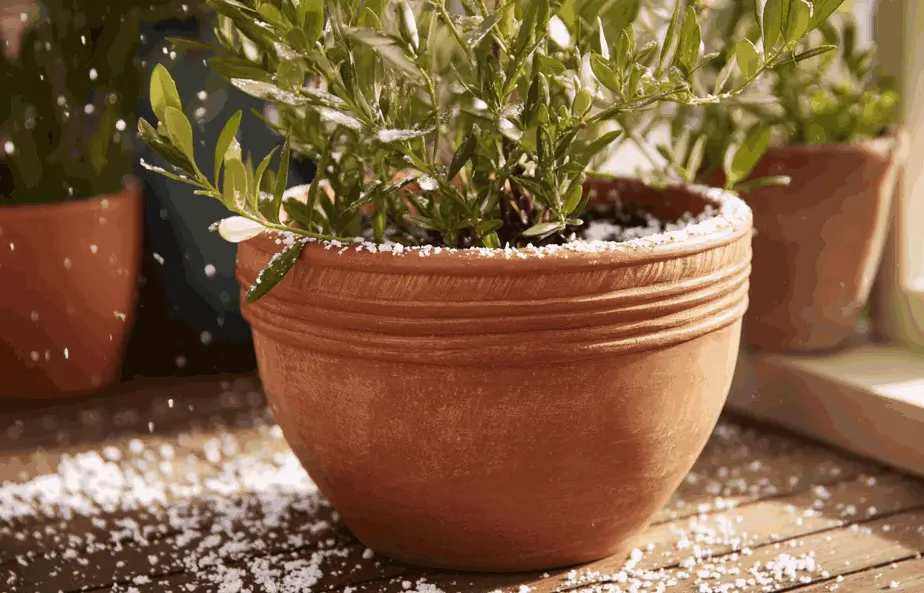
Heatwaves can quickly stress container-grown fruit trees, causing leaves to droop, dry out, and even fall prematurely. Unlike trees planted in the ground, potted fruit trees are more vulnerable to extreme temperatures because their roots heat up faster and lose moisture rapidly. Without proper care, prolonged heat can reduce fruit production or even kill your tree. In this guide, you’ll learn the main causes of heat stress, how to recognize early warning signs, and the most effective ways to protect your container fruit trees and keep them thriving during hot weather.
Why Fruit Trees Wilting During Heatwaves Is a Serious Problem in Containers
Heatwaves affect all gardens, but container fruit trees are at much higher risk than in-ground trees.
1. Containers Heat Up Faster Than Garden Soil
Pots absorb and retain heat, especially plastic or dark-colored containers. Root temperatures can rise well above safe levels, damaging fine feeder roots that absorb water.
If you’ve ever dealt with poor drainage or root stress, you’ll notice similar symptoms to those explained in our guide on signs of root rot in fruit trees—wilting isn’t always caused by dry soil alone.
2. Faster Moisture Loss
During heatwaves:
- Water evaporates rapidly from potting mix
- Wind accelerates drying
- Shallow container roots dry out first
Even daily watering may not be enough if done incorrectly, a problem closely related to what we explain in why fruit trees fail in pots.
3. Transpiration Overload
When temperatures soar, leaves lose water faster than roots can replace it. The tree wilts as a protective response, reducing water loss—but prolonged stress leads to leaf drop, fruit abortion, and long-term decline.
How to Tell If Wilting Is Heat Stress (Not Disease or Root Rot)
Before fixing the problem, confirm the cause.
Heat stress symptoms include:
- Leaves drooping during midday, recovering at night
- Leaf edges curling or browning
- Fruit softening or dropping early
- Soil drying out within hours
Red flags that suggest deeper issues:
- Wilting even when soil is wet
- Sour smell from the pot
- Yellowing leaves with black spots
If wilting persists despite proper watering, review drainage and container setup using our step-by-step guide on fixing waterlogged soil in pots.
Step-by-Step Solutions for Fruit Trees Wilting During Heatwaves
Step 1: Water Deeply—but at the Right Time
Shallow watering worsens heat stress.
Best practices:
- Water early morning (5–8 a.m.)
- Soak until water drains from the bottom
- Avoid frequent light watering
For trees showing severe stress, compare symptoms with those in our article on underwatering fruit trees to fine-tune your routine.
Step 2: Shade Is Non-Negotiable During Extreme Heat
Temporary shade can reduce leaf temperature by 10–15°F (5–8°C).
Effective shading methods:
- Shade cloth (30–50%)
- Patio umbrellas
- Moving pots to east-facing exposure
- Light-colored fabric screens
Shade should reduce afternoon sun, not eliminate light entirely.
Step 3: Mulch to Cool the Root Zone
Mulch is one of the most underrated solutions.
Use:
- Straw
- Pine bark
- Coconut coir
- Wood chips
Apply a 2–3 inch layer, keeping mulch away from the trunk. This technique also prevents issues like dry, compacted soil, covered in our article on fixing dry soil in containers.
Step 4: Improve Container & Soil Setup
If fruit trees wilt repeatedly every summer, the container may be the real problem.
Ideal setup:
- Large pots (minimum 15–25 gallons for fruit trees)
- Light-colored or fabric containers
- High-quality, well-draining potting mix with compost
Avoid garden soil—it overheats and compacts quickly.
Step 5: Reduce Stress, Not Growth
During heatwaves:
- Stop fertilizing
- Avoid pruning
- Remove severely damaged fruit
The goal is survival, not growth. For long-term prevention, our guide on overwatering fruit trees explains how excess care can backfire during extreme weather.
Common Beginner Mistakes That Make Heat Wilting Worse
- Overwatering to compensate for heat
Saturated roots can’t absorb oxygen, worsening wilting. - Using small decorative pots
Roots overheat and dry out rapidly. - Fertilizing during heat stress
New growth increases water demand when the tree is already struggling. - Ignoring wind exposure
Hot, dry wind accelerates dehydration. - Leaving pots on concrete
Concrete reflects heat and raises root temperatures dramatically.
Tools, Containers, and Care Tips That Actually Help
Best Containers for Heat-Prone Areas
- Fabric grow bags (excellent cooling)
- Glazed ceramic pots
- Light-colored plastic with insulation
Avoid thin black plastic containers.
Helpful Tools
- Moisture meter (useful, but confirm manually)
- Drip irrigation with timer
- Shade cloth clips
- Organic mulch
Long-Term Care Tips
- Acclimate trees to sun gradually in spring
- Group pots together to create a cooler microclimate
- Elevate pots slightly for airflow
FAQ: Fruit Trees Wilting During Heatwaves
Why do fruit trees wilt even when the soil is wet?
Wet soil doesn’t guarantee healthy roots. Heat-damaged or oxygen-starved roots can’t absorb water effectively, leading to wilting.
Will wilted fruit tree leaves recover?
Yes—if heat stress is temporary. Leaves often recover overnight once temperatures drop, especially when shade and deep watering are applied.
Should I mist fruit tree leaves during a heatwave?
Light misting can help briefly, but it’s not a substitute for root hydration. Avoid misting in full sun to prevent leaf scorch.
Can heatwaves permanently damage fruit trees?
Repeated or extreme heat stress can weaken trees long-term, reduce fruiting, and shorten lifespan—especially in containers.
Is leaf drop during heatwaves normal?
Yes. Leaf drop is a survival response, but excessive loss signals prolonged stress.
Conclusion: Protecting Fruit Trees From Heat Stress Starts With Smart Container Care
Fruit trees wilting during heatwaves is a clear signal—not a death sentence. With proper watering timing, strategic shading, better container choices, and stress-reducing care, most container-grown fruit trees can recover quickly and continue producing healthy growth and fruit.
Your next steps:
- Check soil moisture early each morning
- Add shade before temperatures peak
- Mulch and upgrade containers if needed
- Avoid fertilizing until heat subsides
By acting early and understanding how heat affects container fruit trees differently, you’ll turn summer heatwaves from a threat into a manageable challenge—and keep your trees thriving season after season.