
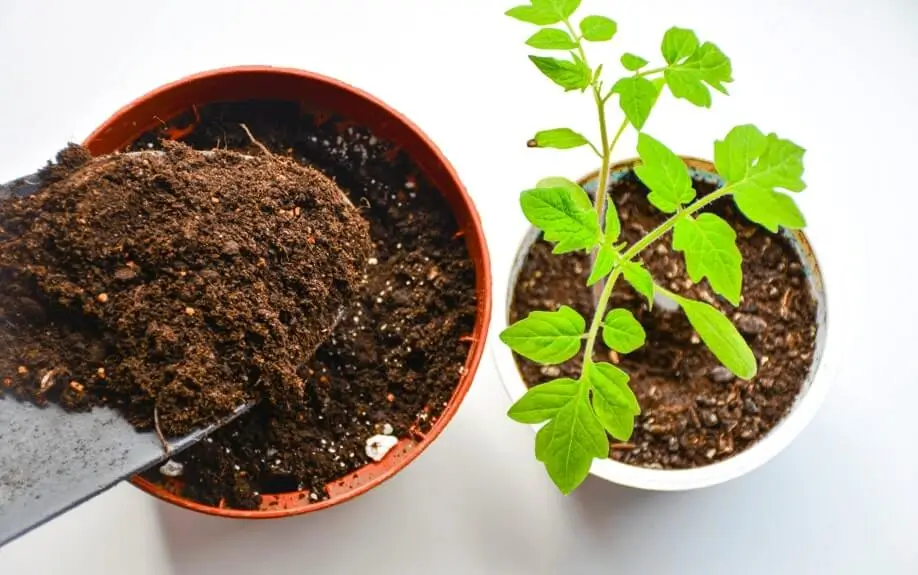
Growing fruit plants in containers is one of the easiest ways to enjoy fresh harvests at home, even with limited space. However, many beginners unknowingly make soil-related mistakes that slow plant growth, reduce fruit production, and cause unhealthy roots. The right soil mix is the foundation of successful container fruit gardening because it controls drainage, moisture retention, airflow, and nutrient availability.
If your potted fruit plants are struggling, the problem may not be watering or sunlight—it could be the soil itself. In this guide, you’ll learn the most common soil mistakes beginners make and practical ways to fix them so your container fruit plants stay healthy, productive, and long-lasting
Why Soil Mistakes Matter for Container Fruit Gardening
Container fruit plants rely entirely on the soil inside the pot. Unlike garden beds, they can’t search deeper or wider for nutrients, oxygen, or moisture. This makes soil quality a make-or-break factor.
When beginners make soil mistakes, common problems include:
- Poor root development due to compaction
- Waterlogged roots leading to rot.
- Nutrient lockout despite regular fertilizing
- Weak flowering and low fruit production
Container soil must balance drainage, aeration, moisture retention, and nutrition. If even one of these is off, fruit plants struggle. This is why understanding soil behaviour in pots is just as important as choosing the right plant variety.
Common Soil Mistakes Beginners Make
1. Using Garden Soil in Containers
This is one of the most common soil mistakes beginners make. Garden soil is heavy and dense, designed for open ground—not confined pots.
Why it’s a problem:
- Compacts quickly in containers
- Drains poorly
- Limits oxygen to roots
Better approach:
Always use a high-quality potting mix designed for containers. These mixes are lighter and structured to hold air while draining excess water.
Always use a high-quality potting mix designed for containers. These mixes are lighter and structured to hold air while draining excess water.
2. Choosing Cheap, Low-Quality Potting Mix
Not all potting soils are created equal. Many budget mixes consist mostly of peat or composted bark, with little structure.
Symptoms you’ll notice:
- Soil shrinks away from pot edges.
- Water runs straight through or pools on top.
- Plants dry out too fast or stay soggy.
Solution:
Look for mixes that include ingredients like perlite, pine bark fines, or coco coir. If you’re unsure which amendments improve structure, this comparison of perlite and vermiculite for containers explains how each affects drainage and moisture.
Look for mixes that include ingredients like perlite, pine bark fines, or coco coir. If you’re unsure which amendments improve structure, this comparison of perlite and vermiculite for containers explains how each affects drainage and moisture.
3. Ignoring Soil Compaction Over Time
Even good soil degrades. Repeated watering compresses particles, pushing out air pockets.
Why this matters:
Roots need oxygen as much as water. Compacted soil suffocates roots, slowing growth and fruiting.
Roots need oxygen as much as water. Compacted soil suffocates roots, slowing growth and fruiting.
Fix:
- Loosen the top layer gently every few weeks.
- Refresh soil annually
- Learn practical ways to reduce compaction using these methods to prevent soil compaction in pots.
4. Reusing Old Potting Soil Without Refreshing It
Many beginners reuse old soil to save money, unaware that it depletes nutrients and structure.
Common issues:
- Nutrient deficiency
- Disease buildup
- Poor drainage
Reusing soil isn’t always bad—but it must be done correctly. Follow this step-by-step guide on how to refresh old potting soil safely before replanting.
5. Not Testing or Adjusting Soil pH
Soil pH controls nutrient absorption. Even with perfect fertilizing, the wrong pH can lock nutrients away.
Examples:
- Citrus prefers slightly acidic soil.
- Blueberries need strongly acidic conditions.
Testing is simple and inexpensive. This beginner-friendly guide to testing soil pH at home shows exactly what to do and how to adjust the results.
6. Overloading Soil with Fertilizer
More fertilizer doesn’t mean more fruit. Overfeeding damages roots and disrupts soil biology.
Signs of fertilizer burn:
- Leaf tip browning
- Wilting despite moist soil
- Salt buildup on the soil surface
Always follow recommended rates and choose fertilizers suited to fruiting plants.
Step-by-Step Solutions to Avoid These Soil Mistakes
Step 1: Start With the Right Soil Base
A good container soil should:
- Drain freely
- Hold moisture without staying soggy.
- Stay loose over time.
If you grow specific fruits, soil matters even more. For example, citrus trees need excellent drainage, while figs prefer a slightly richer mix. Tailoring your soil prevents long-term problems.
Step 2: Improve Drainage and Aeration
If your mix feels heavy:
- Add perlite for air space.
- Use pine bark fines for structure.
- Avoid sand—it increases compaction.
Aim for soil that crumbles easily when squeezed but doesn’t turn to dust.
Step 3: Match Soil to Container Size
Small pots dry faster and compact sooner. Larger containers buffer moisture and temperature better.
Tip:
Choose pots with multiple drainage holes and avoid decorative containers without proper drainage unless used as outer covers.
Choose pots with multiple drainage holes and avoid decorative containers without proper drainage unless used as outer covers.
Step 4: Refresh Soil Regularly
Each season:
- Remove the top 2–3 inches of old soil.
- Replace with a fresh mix and compost.
- Check drainage before replanting.
This keeps roots healthy and nutrients balanced.
Step 5: Monitor Watering Behaviour
Soil problems often look like watering problems.
- Soggy soil = poor drainage
- Bone-dry soil = degraded structure
Adjust the soil first before changing watering frequency.
Tools, Soil Amendments, and Care Tips
Essential Tools for Soil Health
- Hand fork or soil aerator
- pH test kit or meter
- Measuring scoop for fertilizers
Helpful Soil Amendments
- Perlite (aeration)
- Coco coir (moisture balance)
- Compost (nutrients and microbes)
Ongoing Care Tips
- Avoid walking or pressing soil down.
- Mulch lightly to reduce evaporation
- Rotate containers to prevent uneven drying.
FAQ: Soil Mistakes Beginners Make
Why do my container fruit plants look unhealthy even though I water regularly?
Because waterlogged or compacted soil blocks oxygen, roots can’t function properly—even with frequent watering.
Can I fix bad soil without repotting?
Sometimes. Loosening the top layer, improving drainage holes, and refreshing the surface soil can help temporarily.
How often should I replace potting soil?
For fruit plants, refresh annually and fully replace every 2–3 years.
Is it okay to mix different potting soils together?
Yes, as long as the final mix drains well and doesn’t become too dense.
Do all fruit plants need the same soil?
No. Citrus, berries, and figs have different soil preferences, especially for drainage and pH.
Conclusion: Build Better Soil, Grow Better Fruit
Most soil mistakes beginners make come from treating container soil like garden soil—or ignoring it altogether. By choosing the right mix, preventing compaction, managing drainage, and refreshing soil regularly, you give your fruit plants the foundation they need to thrive.
Healthy soil leads to stronger roots, better flowering, and more reliable harvests. Start by fixing just one soil issue this season, and you’ll see noticeable improvements in plant health. With the right soil practices, even small-space container gardens can produce abundant, delicious fruit.