
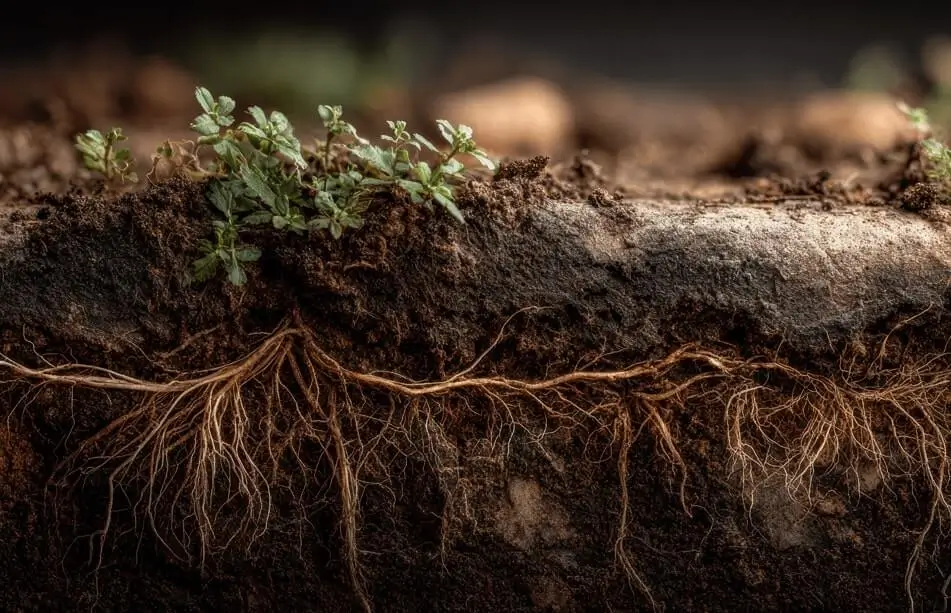
Root rot is one of the most common problems for container fruit plants, especially for beginners who unknowingly overwater their trees or use poorly draining soil. When roots stay wet for too long, they lose oxygen and begin to decay, causing weak growth, yellow leaves, wilting, and sometimes complete plant failure.
The good news is that root rot is preventable with the right watering habits, proper containers, and healthy soil management. Whether you grow citrus, figs, strawberries, or dwarf fruit trees in pots, learning how to avoid root rot will help your plants stay healthy, productive, and long-lasting.
In this beginner-friendly guide, you’ll learn the main causes of root rot, warning signs to watch for, and simple prevention methods that keep your container fruit plants thriving.
Why Avoiding Root Rot Matters in Container Fruit Gardening
Container fruit plants live in a much more controlled—and risky—environment than in-ground trees. While pots make fruit growing possible in small spaces, they also trap excess water, limit oxygen, and amplify mistakes.
What is root rot?
Root rot isn’t a single disease; it’s a condition caused by constantly wet soil that allows fungi and bacteria to attack roots. Once roots can’t breathe, they suffocate, decay, and stop delivering water and nutrients to the plant.
Why containers are more vulnerable
- Limited drainage compared to open soil
- Overwatering happens faster in small pots
- Poor soil mixes compact easily
- Temperature swings slow evaporation
If you’re growing fruit in pots, understanding water behavior is essential. Our detailed guide on how much water container fruit trees really need helps you match watering to plant size, season, and climate—preventing soggy soil before problems start.
How to Avoid Root Rot: Step-by-Step Best Practices
1. Choose Containers That Drain Properly
Drainage is non-negotiable. Without it, even perfect soil and careful watering won’t save your plant.
Best container tips:
- Always use pots with multiple drainage holes
- Avoid decorative cachepots unless the inner pot drains freely
- Elevate pots slightly so water can escape from the bottom
Material matters:
- Terracotta: Breathable, dries faster (great for beginners)
- Plastic: Retains moisture longer (requires careful watering)
- Fabric grow bags: Excellent airflow and root health
2. Use a Well-Draining Soil Mix (Not Garden Soil)
One of the most common causes of root rot is heavy soil. Garden soil compacts in containers and blocks oxygen.
Ideal container fruit soil includes:
- High-quality potting mix (base)
- Perlite or pumice (for aeration)
- Pine bark or coco coir (structure + drainage)
Avoid:
- Pure compost
- Clay-heavy soil
- Reused, compacted potting mix
If you’re unsure whether your soil is staying too wet, learn simple methods in our soil moisture checking guide for potted plants, including finger tests and moisture meters.
3. Water Only When the Plant Actually Needs It
Overwatering isn’t about quantity—it’s about frequency. Most beginners water on a schedule instead of responding to soil conditions.
Better watering habits:
- Check soil 5–7 cm below the surface before watering
- Water deeply, then allow excess to drain completely
- Empty saucers after 10–15 minutes
A helpful comparison is rainwater vs tap water for fruit plants, which explains how water quality can also affect root health and soil drainage over time.
4. Match Pot Size to Plant Size
An oversized pot may seem generous—but it often leads to waterlogged soil that roots can’t absorb.
Pot sizing rules:
- Start small and up-pot gradually
- Avoid pots more than 5–8 cm wider than the root ball
- Large pots = more soil = slower drying
Young plants are especially sensitive. Our article on watering young vs mature fruit trees explains how root systems change and why watering strategies must evolve.
5. Improve Airflow Around Roots
Roots need oxygen just as much as water.
Ways to boost root airflow:
- Use fabric or breathable containers
- Add coarse materials (bark, perlite) to soil
- Avoid packing soil too tightly when planting
If you rely on automated systems, ensure they don’t keep soil constantly wet. This self-watering systems guide for containers shows how to use them safely without drowning roots.
Common Beginner Mistakes That Lead to Root Rot
Mistake 1: Watering “Just in Case”
This is the #1 killer of container fruit plants. Plants don’t need daily watering—especially in cool or cloudy weather.
Mistake 2: Ignoring Drainage Holes
Covering holes with stones or letting them clog prevents water from escaping.
Mistake 3: Using Saucers Incorrectly
Saucers should catch runoff, not store it. Standing water re-enters the soil and suffocates roots.
Mistake 4: Misreading Symptoms
Yellow leaves often trigger more watering—but they can signal root rot, not thirst.
Tools, Containers, and Care Tips to Prevent Root Rot
Essential Tools
- Moisture meter (helpful, not mandatory)
- Well-draining potting mix
- Elevated pot feet or stands
Smart Care Habits
- Reduce watering in winter
- Repot every 1–2 years to refresh soil
- Prune damaged roots during repotting
How to Spot Early Signs of Root Rot
Catching root rot early can save your plant.
Warning signs:
- Leaves yellowing from the bottom up
- Wilting despite wet soil
- Foul smell from the pot
- Black, mushy roots when inspected
If you notice these symptoms, stop watering immediately and assess drainage and soil condition.
FAQ: How to Avoid Root Rot in Container Fruit Plants
How often should I water to avoid root rot?
Water only when the top few centimeters of soil are dry. Frequency depends on pot size, weather, and plant maturity—not a fixed schedule.
Can a plant recover from root rot?
Yes, if caught early. Remove affected roots, repot in fresh, well-draining soil, and adjust watering habits.
Are self-watering pots bad for fruit plants?
Not necessarily—but they must be designed to allow airflow and drying cycles. Poorly designed systems increase root rot risk.
Is root rot more common indoors or outdoors?
It’s more common indoors due to lower evaporation and airflow. Outdoor containers dry faster.
Does mulch cause root rot in pots?
Organic mulch is fine in thin layers, but thick mulch can trap moisture and slow evaporation.
Conclusion: Healthy Roots Start with Smart Watering
Avoiding root rot isn’t about complicated techniques—it’s about balance. With the right container, soil, and watering habits, you create an environment where roots breathe, grow, and support healthy fruit production.
Next steps:
- Check your pots for proper drainage today
- Test soil moisture before your next watering
- Upgrade soil mixes that stay wet too long
By applying these principles consistently, you’ll master how to avoid root rot and enjoy stronger, more productive container fruit plants—no matter how small your growing space. 🌱