
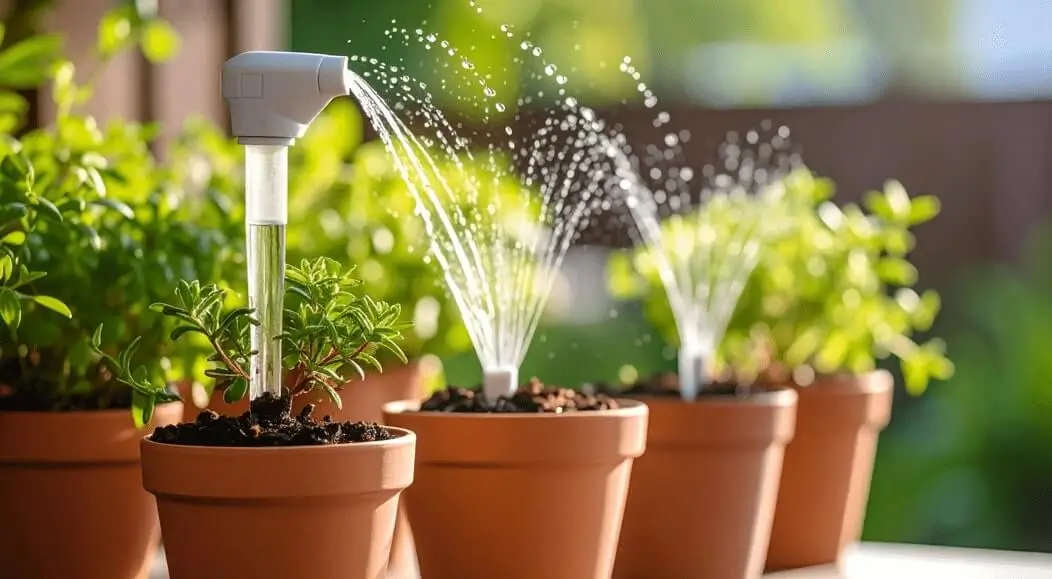
Watering is one of the most important parts of growing healthy container fruit plants. But many beginners struggle with a common question: should you use bottom watering or top watering? Both methods can help your fruit plants thrive, but each has advantages and disadvantages depending on the plant type, container size, climate, and growing conditions.
In this guide, you’ll learn the differences between bottom watering and top watering, the pros and cons of each method, and how to choose the best watering technique for your container fruit garden.
Why Bottom Watering vs Top Watering Matters in Container Fruit Gardening
Container fruit plants live in a very different environment than those grown in the ground. Their roots are confined, drainage is limited, and moisture levels can change rapidly. This makes the watering technique just as important as watering frequency.
Here’s why the bottom watering vs top watering debate matters so much for container-grown fruit:
- Root development: Watering style influences whether roots grow deep and strong or stay shallow and weak.
- Disease prevention: Poor watering practices can encourage fungal diseases, algae growth, and root rot.
- Nutrient efficiency: How water moves through the pot affects how nutrients are absorbed or washed away.
- Water conservation: Some methods waste far less water—critical for small-space and drought-conscious gardeners.
If you’re already working on improving your overall routine, pairing this article with a clear container fruit tree watering schedule for beginners can dramatically reduce guesswork and plant stress.
What Is Top Watering? (And When It Works Best)
Top watering means applying water directly to the soil surface until it drains out of the bottom of the container. This is the most common method—and often the first one gardeners learn.
Benefits of Top Watering
Top watering can be very effective when done correctly:
- Flushes out excess salts and fertilizer buildup
- Evenly wets the entire soil column when applied slowly.
- Helps distribute nutrients added through liquid fertilizers
- Allows you to visually check soil absorption and drainage
For fruit plants that are actively growing or fruiting, top watering supports strong nutrient movement. It also pairs well with fertilizing routines, especially if you’re using organic liquid feeds.
Drawbacks of Top Watering
However, top watering can cause problems if done incorrectly:
- Water may run down the sides of compacted soil without soaking the root zone.
- Overhead splashing can encourage fungal diseases.
- Shallow watering promotes weak surface roots.
- Soil erosion may expose roots over time.
These issues are common causes of uneven moisture or drought stress in pots. If that sounds familiar, reviewing signs of drought stress in potted fruit trees can help you catch problems early.
What Is Bottom Watering? (And Why Many Beginners Love It)
Bottom watering involves placing the container in a tray or basin of water and allowing moisture to rise through the drainage holes by capillary action.
Benefits of Bottom Watering
Bottom watering offers several advantages, especially for beginners:
- Encourages deeper root growth
- Reduces surface moisture and fungal issues
- Prevents soil compaction from heavy pouring
- Minimizes water waste and runoff
This method is particularly helpful for seedlings, young fruit plants, and containers that dry out too quickly. It’s also a gentle solution if you’ve struggled with overwatering in the past.
Limitations of Bottom Watering
Despite its benefits, bottom watering isn’t perfect:
- Salt and fertilizer buildup may remain in the soil.
- Large or heavy pots are difficult to move.
- Not ideal for deep-rooted fruit trees
- Requires monitoring to avoid soggy soil
Because of these limitations, bottom watering works best as part of a flexible watering strategy—not the only method you ever use.
Bottom Watering vs Top Watering: Side-by-Side Comparison
| Factor | Bottom Watering | Top Watering |
| Root growth | Encourages deep roots | Can promote shallow roots |
| Disease risk | Lower | Higher if splashed |
| Nutrient flushing | Poor | Excellent |
| Ease for large pots | Difficult | Easy |
| Beginner-friendly | Yes | Yes (with practice) |
| Water efficiency | High | Moderate |
For most container fruit gardeners, the best solution isn’t choosing one forever—it’s knowing when to use each method.
Best Practices: How to Use Each Method Correctly
When to Use Bottom Watering
Bottom watering works best when:
- Starting fruit seedlings or young plants
- Soil dries too quickly on the surface.
- Fungus gnats or mould are a problem.
- You want to encourage stronger root systems.
Step-by-step bottom watering:
- Place the pot in a tray with 2–5 cm of water.
- Let it absorb moisture for 20–40 minutes.
- Remove and allow excess water to drain.
- Repeat only when the topsoil feels dry.
When to Use Top Watering
Top watering is ideal when:
- Plants are actively growing or fruiting.
- Applying liquid fertilizer
- Flushing excess salts from the soil
- Watering large or immovable containers
Step-by-step top watering:
- Water slowly at the soil surface
- Pause if water pools or runs off.
- Continue until water drains freely.
- Empty saucers to prevent standing water
If you’re managing multiple pots, combining these techniques with automatic watering timers for container plants can save time while maintaining consistency.
Soil, Containers, and Tools That Influence Watering Success
Your watering method will only be effective if the foundation is right.
Soil Tips
- Use well-draining, fruit-specific potting mixes.
- Avoid garden soil—it compacts too easily.
- Refresh soil annually to prevent buildup.
Container Tips
- Always use pots with drainage holes.
- Light-colored containers reduce heat stress.
- Larger pots retain moisture more evenly.
Helpful Tools
- Moisture meters (for beginners)
- Self-watering containers
- Mulch to slow evaporation
If water conservation matters in your climate, these techniques pair well with practical ways to save water in container gardening.
Common Beginner Mistakes to Avoid
Many problems blamed on the watering method are actually caused by mistakes:
- Watering on a schedule instead of checking the soil
- Leaving pots sitting in water too long
- Using bottom watering exclusively for mature fruit trees
- Ignoring drainage or compacted soil
- Switching methods too frequently without observation
Consistency, observation, and flexibility are far more important than loyalty to one method.
FAQ: Bottom Watering vs Top Watering
Is bottom watering better than top watering for fruit plants?
Neither method is universally better. Bottom watering is great for root development and disease prevention, while top watering is essential for nutrient flushing and mature plants.
Can I use both bottom watering and top watering?
Yes—and you should. Alternating methods based on plant stage and season give the best results.
How often should I water container fruit plants?
Only when the top 2–3 cm of soil is dry. Overuse can lead to waterlogged roots.
Does bottom watering prevent root rot?
It reduces risk but doesn’t eliminate it. Poor drainage or overwatering can still cause root rot.
Is top watering bad for container fruit trees?
Not at all—when done slowly and deeply, top watering is excellent for established plants.
Conclusion: The Smart Way to Water Container Fruit Plants
The debate around bottom watering vs top watering isn’t about choosing sides—it’s about using the right method at the right time. Bottom watering helps young plants build strong roots and reduces surface issues, while top watering supports healthy growth, nutrient delivery, and long-term plant health.
For best results, observe your plants, check soil moisture regularly, and adjust your approach as they grow. Start by experimenting with both methods on different containers, and refine your routine based on plant response. With the right balance, your container fruit plants will reward you with stronger growth, healthier roots, and better harvests. 🌱🍓