
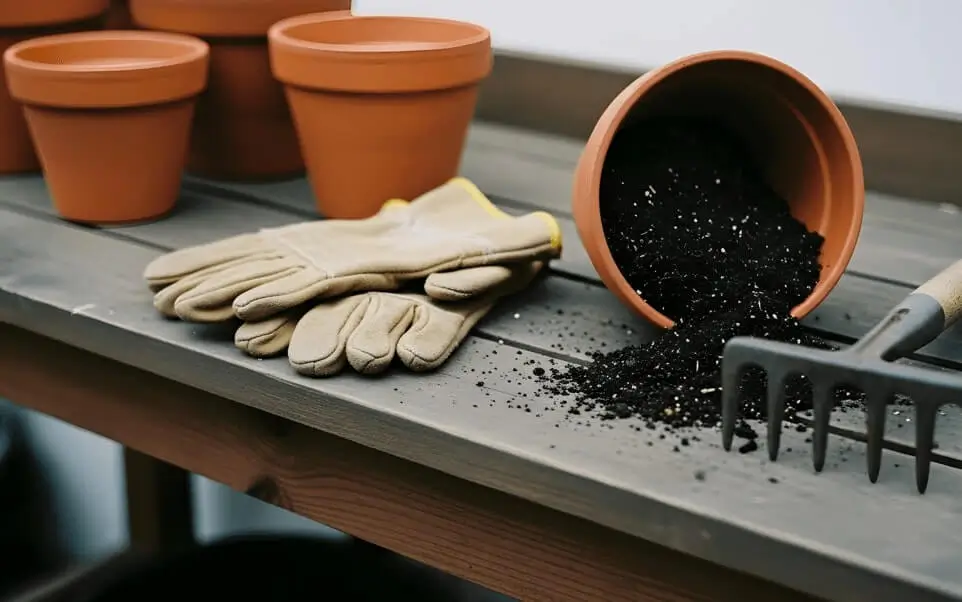
Reusing potting soil is one of the smartest ways to save money and reduce waste in container fruit gardening. However, many gardeners wonder whether old potting soil is still healthy enough for fruit plants or if it should be replaced completely. The good news is that potting soil can often be reused successfully when refreshed and treated properly. Understanding when to reuse soil, how to restore nutrients, and how to avoid pests or diseases can help your container fruit plants stay productive and healthy season after season.
Why Reusing Potting Soil Matters for Container Fruit Gardening
Container fruit plants depend entirely on their soil. Unlike garden beds, pots have limited volume, restricted drainage, and no natural nutrient cycling. Over time, potting soil changes in ways that directly affect fruit yield.
Here’s why reusing potting soil correctly matters:
- Cost savings: Quality potting mix adds up quickly when growing fruit trees, berries, or citrus in large containers.
- Sustainability: Reusing soil reduces waste and limits the need for peat-based mixes.
- Soil biology: Old soil often contains beneficial microbes that support root health.
- Consistency: Reusing familiar soil makes it easier to manage watering and feeding routines.
However, soil that’s reused without preparation can become compacted, nutrient-depleted, or contaminated. That’s why understanding the right method is critical—especially for fruiting plants that stay in pots for years.
Can You Reuse Potting Soil? The Short Answer
Yes, you can reuse potting soil—but not blindly.
Old potting soil is usually safe to reuse if:
- The previous plant was healthy.
- There were no major pest or disease issues.
- The soil structure hasn’t collapsed into dense mud.
Potting soil is technically a soil-less growing medium, made from materials like peat moss, coco coir, bark, and perlite. These ingredients don’t “expire,” but they do break down over time, reducing drainage and air space.
For fruit grown in containers—especially dwarf trees, berries, and citrus—soil quality directly affects flowering, fruit set, and flavour. Reusing soil the right way can support long-term success, while shortcuts can set your plants back an entire season.
When You Should NOT Reuse Potting Soil
Before refreshing old soil, you need to know when it’s better to discard it completely.
Do not reuse potting soil if:
- The previous plant had fungal diseases (root rot, wilt, blight)
- You noticed persistent pests, such as fungus gnats or root aphids.
- The soil smells sour or rotten.
- The mix stays wet for days after watering.
- Salt buildup is visible as white crusts on the surface.
In these cases, reusing soil can spread problems to healthy fruit plants. It’s safer to discard it or reuse it only for non-edible ornamental plants.
Step-by-Step: How to Reuse and Refresh Potting Soil Properly
Step 1: Remove Old Roots and Debris
Start by dumping the old potting soil into a large container or tarp.
- Pull out thick roots, old stems, and clumps.
- Break apart compacted chunks.
- Discard roots from diseased plants.
Fine roots are okay, but woody or rotting material should go.
Step 2: Check Soil Texture and Drainage
Healthy potting soil should feel:
- Light and crumbly
- Able to drain freely
- Easy to re-wet when dry
If your soil feels heavy or stays soggy, improve its structure. You can learn more in this detailed guide on improving drainage in pots, which explains exactly how to fix compacted mixes for container fruit plants.
Step 3: Replenish Organic Matter
Old potting soil loses organic content over time. Refresh it by adding:
- Finished compost (10–30% by volume)
- Leaf mould or aged bark fines
- Coco coir for moisture balance
For fruit growers, compost is especially valuable. If you want precise ratios and examples, this article on using compost for container fruit gardening shows how to add nutrients without harming roots.
Step 4: Restore Nutrients the Right Way
Used potting soil is almost always nutrient-depleted. Simply reusing it without feeding is a common reason fruit plants struggle.
To restore fertility:
- Add slow-release organic fertilizer.
- Mix in worm castings for gentle nutrition
- Avoid high-salt synthetic fertilizers.
Worm castings are especially effective for container fruit trees. This guide on worm castings for fruit trees in pots explains how much to use and when to apply them.
Step 5: Balance Soil pH (Often Overlooked)
Over time, potting soil can drift out of the ideal pH range. Fruit plants are sensitive to this, especially citrus, blueberries, and figs.
- Most fruit plants prefer slightly acidic to neutral soil.
- Reused soil may become too acidic or too alkaline.
- A simple soil test can prevent nutrient lockout.
If you’re unsure what range your plants need, check this guide on the best soil pH for fruit trees to avoid hidden nutrient problems.
Step 6: Decide Whether to Reuse Fully or Blend with New Soil
For best results:
- Reuse soil for the same type of plant when possible.
- Blend 50% old soil with 50% fresh mix for long-term containers.
- Fully refreshed old soil works best for short-season fruit plants.
If the soil supported heavy feeders last season, blending it with a new potting mix is often the safest option.
Common Beginner Mistakes When Reusing Potting Soil
Even though reusing soil is simple, beginners often make costly mistakes.
Mistake 1: Reusing Soil Without Feeding It
Old soil looks fine, but it contains almost no nutrients. Fruit plants may grow leaves but fail to flower or fruit.
Mistake 2: Ignoring Drainage Problems
Compacted soil leads to root rot, slow growth, and nutrient deficiency. Always restore air space.
Mistake 3: Reusing Soil from Sick Plants
Diseases can survive in soil and quickly infect new plants.
Mistake 4: Overloading with Fertilizer
Trying to “fix” old soil with too much fertilizer often causes salt buildup and root burn.
Mistake 5: Skipping pH Testing
Poor pH prevents nutrient uptake even when nutrients are present.
Tools and Materials That Make Reusing Potting Soil Easier
You don’t need expensive equipment, but a few simple tools help a lot:
- Large mixing container or tarp
- Hand rake or garden fork
- Compost or aged organic matter
- Worm castings or organic fertilizer
- Perlite or pumice for drainage
- Basic soil pH test kit
If you frequently refresh soil, keeping these on hand will save time and money over multiple seasons.
Frequently Asked Questions (FAQ)
Can you reuse potting soil for fruit trees year after year?
Yes, especially for container fruit trees, as long as you refresh nutrients, improve drainage, and monitor pH each season.
Is it safe to reuse potting soil for edible plants?
It’s safe if the soil came from healthy plants and has been properly refreshed. Avoid reusing soil from diseased or pest-infested containers.
How many times can potting soil be reused?
With proper care, potting soil can be reused for several years. Most gardeners refresh and blend it with a new mix every 1–2 seasons.
Should I sterilize potting soil before reusing it?
Sterilization isn’t usually necessary for home gardeners. Improving soil health is often better than killing beneficial microbes.
Can I reuse potting soil from vegetables for fruit plants?
Yes, but refresh it thoroughly. Heavy feeding of vegetables may leave the soil nutrient-depleted.
What’s the fastest way to refresh old potting soil?
Remove roots, add compost and worm castings, improve drainage with perlite, and mix in slow-release fertilizer.
Conclusion: Reusing Potting Soil the Smart Way
So, can you reuse potting soil? Absolutely—and for container fruit gardeners, it’s often the smartest choice. When refreshed properly, old potting soil can support healthy roots, strong growth, and generous harvests while saving money and reducing waste.
The key is understanding that reused soil isn’t “ready to go” as-is. By restoring structure, replenishing nutrients, and correcting pH, you turn tired soil back into a productive growing medium.
Next steps:
Before your next planting, inspect your old potting soil, refresh it using the steps above, and pair it with proper feeding and drainage. Your fruit plants—and your wallet—will thank you. 🍓🍋
Before your next planting, inspect your old potting soil, refresh it using the steps above, and pair it with proper feeding and drainage. Your fruit plants—and your wallet—will thank you. 🍓🍋