
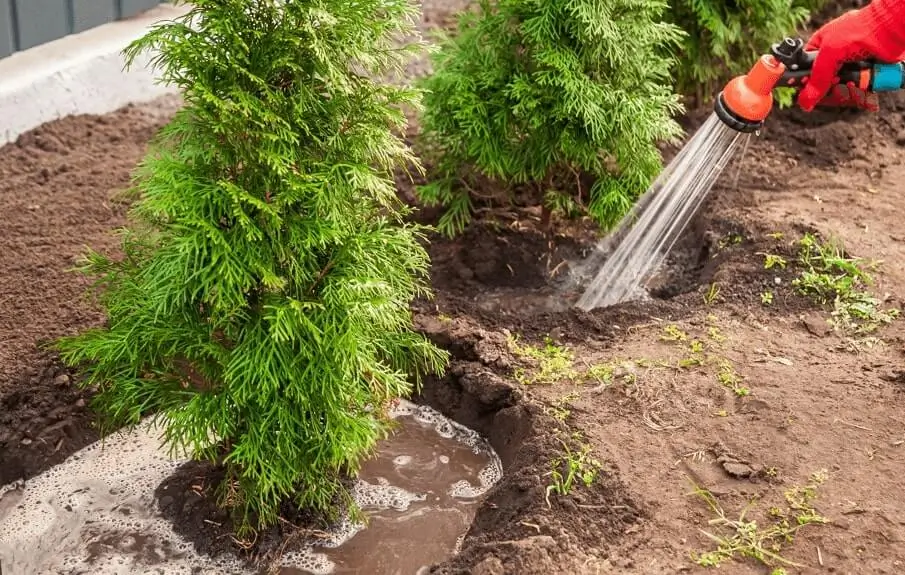
Growing fruit trees in containers is rewarding, but feeding them at the wrong time can cause weak growth, poor fruit production, and cold damage. Knowing when to stop fertilizing container fruit trees is just as important as knowing when to fertilize them. Since potted trees rely entirely on the nutrients you provide, timing plays a major role in keeping them healthy throughout the seasons.
In this guide, you’ll learn the best time to stop fertilizing fruit trees in containers, why seasonal timing matters, and how to prepare your trees for healthy growth and fruit production year after year.
Why Knowing When to Stop Fertilizing Fruit Trees Matters for Container Gardening
Container fruit trees behave differently from trees planted in the ground. Their roots are confined, nutrients wash out faster, and growth cycles are more sensitive to environmental changes.
Stopping fertilizer at the right time helps:
- Prevent soft, weak growth late in the season.
- Encourage proper fruit ripening instead of leafy growth.
- Protect roots and branches from cold or stress damage.
- Support natural dormancy and long-term tree health.
In containers, over-fertilizing late in the season is one of the fastest ways to weaken a fruit tree. Trees need time to slow down, harden their growth, and prepare for rest—or reduced activity in warm climates.
This is especially important if you’re also managing issues like compacted potting mix or depleted nutrients. If you’re unsure whether your growing medium is still healthy, our guide on refreshing old potting soil for fruit trees explains how soil condition affects fertilizer timing and effectiveness.
When to Stop Fertilizing Fruit Trees: The General Rule
For most fruit trees, especially those grown in containers, the general guideline is:
Stop fertilizing 6–8 weeks before the expected end of the active growing season.
In practical terms, this usually means:
- Late summer to early fall in temperate climates
- Before cooler nights become consistent
- After the final flush of new growth
Once temperatures drop or daylight shortens, trees naturally slow down. Continuing to fertilize during this period pushes new growth that won’t have time to mature.
Why does late fertilizing cause problems
- New shoots remain soft and prone to disease.
- Trees focus on leaves instead of fruit or root strength.
- Increased risk of winter injury (even in mild climates)
If you’re fertilizing without understanding nutrient balance, it helps to first understand nitrogen, phosphorus, and potassium in container gardening, since nitrogen-heavy feeds are the main culprit behind late, excessive growth.
Step-by-Step: How to Decide When to Stop Fertilizing Your Fruit Trees
Step 1: Identify Your Tree’s Growth Phase
Fruit trees go through clear seasonal stages:
- Dormant or semi-dormant
- Leaf and shoot growth
- Flowering and fruit set
- Fruit development and ripening
- Growth slowdown
Once your tree has finished its main growth and fruit is sizing up or ripening, fertilizer needs drop sharply.
If you’re unsure whether nutrients are still required for fruiting, compare feeding strategies in our guide on the best fertilizer for flowering and fruiting to avoid overfeeding late in the season.
Step 2: Watch the Calendar (But Don’t Rely on It Alone)
A common mistake is stopping fertilizer based only on dates. Instead, combine calendar timing with plant signals.
Typical stopping points:
- Deciduous fruit trees: late summer
- Citrus and evergreen trees: early to mid-fall
- Dwarf or slow-growing trees: earlier than standard trees
Climate plays a huge role. In warm regions, growth may continue longer—but even then, trees still need a rest period.
Step 3: Observe the Tree’s Behaviour
Your tree will tell you when it’s time to stop feeding:
Signs to stop fertilizing fruit trees:
- Slower production of new leaves
- Dark green, fully formed foliage
- Fruit nearing full size.
- Shorter internodes (less stretch between leaves)
If your tree still looks weak or pale at this stage, the issue may be soil quality rather than fertilizer timing. In that case, learning how to test soil pH at home can reveal whether nutrients are actually available to the roots.
Step 4: Adjust Based on Container Conditions
Containers dry out faster and lose nutrients through drainage. That doesn’t mean you should fertilize longer—it means you should fertilize smarter, earlier in the season.
If your potting mix drains too quickly or compacts easily, fertilizer effectiveness drops. Improving the structure with materials like perlite or organic matter can help. Our comparison of perlite vs vermiculite for container fruit trees explains how drainage impacts nutrient retention.
When to Stop Fertilizing by Fruit Tree Type
Deciduous Fruit Trees (Apple, Peach, Plum, Fig)
- Stop fertilizing: late summer.
- Focus on: root strength and wood hardening.
- Avoid nitrogen once the fruit is close to harvest
Late feeding encourages leaf growth instead of preparing for dormancy.
Citrus Trees in Containers
- Stop fertilizing: early to mid-fall.
- Reduce the frequency gradually rather than stopping suddenly.
- Avoid high-nitrogen feeds late in the season.
Citrus trees are evergreen, but they still grow slowly. Overfeeding late in the season can cause flower drop or delayed fruit ripening.
Berry Plants in Pots
- Stop fertilizing: after fruiting finishes.
- Allow plants to rest and store energy.
- Avoid stimulating fresh leafy growth.
If you grow multiple berry types, fertilizer timing should align with harvest completion rather than the calendar.
Common Mistakes Beginners Make When Stopping Fertilizer
1. Fertilizing “Just One More Time.”
Many gardeners add a final feeding, thinking it will “boost” the tree. In reality, this often delays dormancy and weakens the plant.
2. Using High-Nitrogen Fertilizer Too Late
Nitrogen drives leaf growth. Late nitrogen is one of the biggest reasons fruit trees struggle after summer.
If you’re unsure which type you’re using, our breakdown of organic vs chemical fertilizers for fruit trees explains how release speed affects timing.
3. Ignoring Climate and Container Size
Small pots warm and cool faster than the ground. Trees in small containers should usually stop fertilizing earlier than those in large tubs.
4. Confusing Water Stress with Nutrient Needs
Yellowing leaves late in the season are often caused by overwatering or poor drainage—not lack of fertilizer.
Tools, Soil, and Care Tips That Support Proper Fertilizing Timing
- Slow-release fertilizers are safer early in the season, but still need to stop on time.
- Balanced soil structure improves nutrient uptake without overfeeding.
- Mulching container fruit trees helps regulate moisture and temperature, reducing stress during the transition away from fertilizing.
- Good drainage prevents nutrient buildup and root burn.
Healthy soil reduces the temptation to “fix” problems with extra fertilizer.
FAQ: When to Stop Fertilizing Fruit Trees
When should I stop fertilizing fruit trees in pots?
Most container fruit trees should stop fertilizing 6–8 weeks before growth naturally slows, usually in late summer or early fall.
Can I fertilize fruit trees during the fall?
Light feeding may be acceptable early in the fall for evergreen trees, but avoid nitrogen-heavy fertilizers and stop completely once growth slows.
What happens if I fertilize too late?
Late fertilizing causes weak growth, poor fruiting, and a higher risk of cold or stress damage.
Do indoor or greenhouse fruit trees follow the same rule?
Yes, but timing depends on light and temperature. If growth continues year-round, reduce fertilizer rather than stopping abruptly.
Should I fertilize fruit trees during winter?
No. Most fruit trees do not actively grow in winter, and fertilizer during this period is unnecessary and potentially harmful.
Conclusion: The Right Time to Stop Fertilizing for Healthier Fruit Trees
Knowing when to stop fertilizing fruit trees is a key skill for successful container and small-space gardening. The goal isn’t constant growth—it’s balanced growth at the right time. By stopping fertilizer as the season winds down, you allow your fruit trees to strengthen roots, mature branches, and prepare for rest or reduced activity.
Next steps you can take today:
- Observe your tree’s growth stage.
- Check fertilizer type and nitrogen levels.
- Improve soil structure instead of extending feeding.
- Plan next season’s fertilizing schedule in advance.
With proper timing and care, your container fruit trees will reward you with healthier growth, better fruit, and fewer problems year after year.