
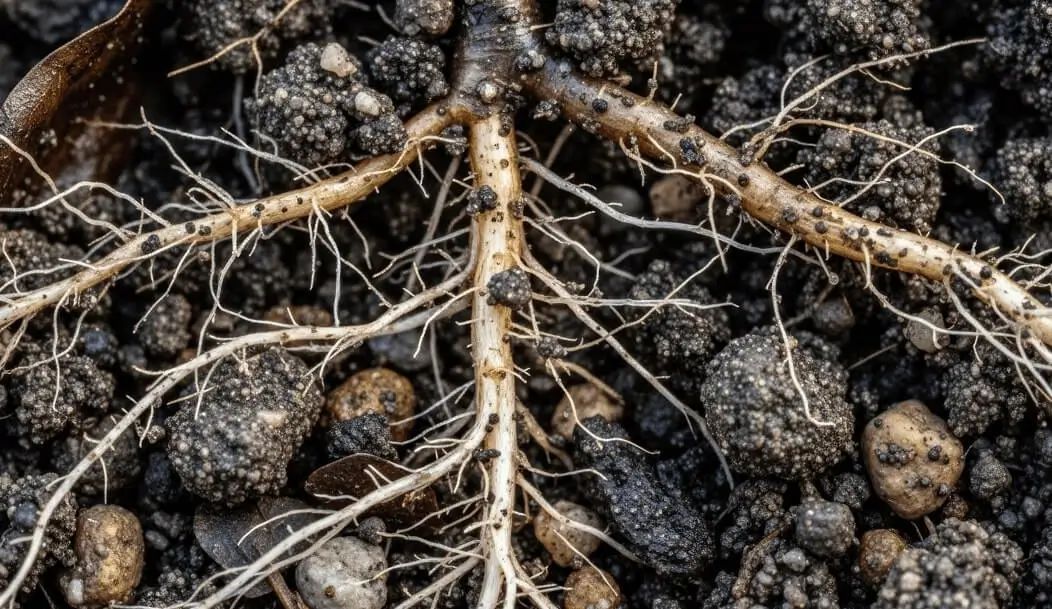
Root diseases are one of the most serious threats to potted fruit trees, often developing silently beneath the soil until visible damage appears. In container gardening, limited drainage, overwatering, and poor soil conditions can quickly create an environment where harmful pathogens thrive. If left untreated, these diseases can weaken roots, stunt growth, and even kill your tree. Understanding the causes, recognizing early symptoms, and applying effective solutions can help you protect your plants and ensure strong, productive growth in small-space gardens.
Why Root Diseases Matter in Container Fruit Gardening
Unlike trees planted in the ground, potted fruit trees live in a closed environment. Their roots depend entirely on you for air, water, nutrients, and drainage. When something goes wrong, there’s no surrounding soil to buffer the problem.
Unique challenges of containers
- Limited drainage increases the risk of waterlogged soil
- Restricted root space makes roots more sensitive to stress
- Faster moisture swings lead to overwatering or drought stress
When roots stay wet for too long, fungi and bacteria thrive. Over time, this leads to root rot and other root diseases that block nutrient uptake and weaken the entire tree.
Many gardeners misdiagnose the symptoms as nutrient deficiency or pest damage. In reality, the real problem is happening underground. If left untreated, root diseases can permanently stunt growth or kill the tree.
What Causes Root Diseases in Potted Fruit Trees?
Understanding the causes is the first step to prevention. Most root diseases in potted fruit trees are the result of poor growing conditions, not bad luck.
1. Overwatering
This is the number one cause. Constantly wet soil deprives roots of oxygen, creating ideal conditions for fungal pathogens.
Signs you may be overwatering:
- Soil stays wet for days
- Fungus gnats hovering around pots
- Sour or rotten smell from the soil
If you’ve ever struggled with pests thriving in wet soil, this guide on fungus gnats in potting soil can help you recognize early moisture problems before root diseases set in.
2. Poor Drainage
Even if you water correctly, poor drainage can trap excess moisture.
Common drainage issues include:
- Pots without drainage holes
- Compacted or heavy soil mixes
- Drainage holes blocked by roots or debris
3. Contaminated Soil or Pots
Reusing old potting mix or unclean containers can introduce harmful fungi. Some pathogens survive for years in soil residue.
4. Temperature Stress
Cold, wet soil in winter or early spring slows root activity, making roots more vulnerable to disease—especially for citrus and tropical fruit trees grown in containers.
Common Root Diseases Affecting Potted Fruit Trees
While gardeners often lump everything under “root rot,” several problems can occur.
Root Rot (General)
- Roots turn brown or black
- Mushy texture instead of firm, white roots
- Foul smell
Phytophthora Root Rot
- Common in citrus and stone fruit
- Leaves yellow, then drop suddenly
- Tree may collapse even with moist soil
Pythium and Fusarium
- Often affect young or stressed plants
- Stunted growth and weak root systems
These diseases thrive in the same conditions, so prevention strategies are similar across the board.
Early Warning Signs You Should Never Ignore
Catching root diseases early can save your tree.
Above-soil symptoms:
- Yellowing leaves despite fertilizing
- Wilting during mild weather
- Poor flowering or fruit drop
Below-soil clues:
- Roots visible at drainage holes but dark and unhealthy
- Soil smells sour or swampy
If your tree also shows fungal symptoms on leaves, you may want to read about fungal diseases in container fruit trees, as root problems often weaken plants and invite secondary infections.
Step-by-Step Solutions for Root Diseases in Potted Fruit Trees
Step 1: Remove the Tree and Inspect the Roots
Gently slide the tree out of its pot.
- Healthy roots: white or light tan, firm
- Diseased roots: dark, mushy, brittle
Trim away all infected roots using sterilized scissors.
Step 2: Improve Drainage Immediately
Choose a container that:
- Has multiple drainage holes
- Is slightly larger than the root ball (not oversized)
Avoid decorative pots without drainage unless used as cachepots.
Step 3: Use the Right Soil Mix
Never use garden soil in containers.
An ideal fruit tree potting mix includes:
- High-quality potting soil
- Perlite or pumice for aeration
- Pine bark or coco coir for structure
This airy mix allows oxygen to reach roots and excess water to drain freely.
Step 4: Adjust Your Watering Routine
Water deeply, then wait.
- Check soil moisture 2–3 inches below the surface
- Water only when the top layer feels dry
- Reduce watering during cool or cloudy weather
Overwatering often attracts pests, including ants that farm aphids and worsen plant stress. If that sounds familiar, this article on ants in fruit tree containers explains how moisture imbalance contributes to infestations.
Step 5: Optional – Use Biological Protection
Beneficial microbes like mycorrhizae or Trichoderma can help protect roots by outcompeting harmful fungi. These are especially helpful after repotting.
Tools, Containers, and Care Tips That Prevent Root Diseases
Best Containers for Healthy Roots
- Fabric grow bags (excellent aeration)
- Plastic pots with ample drainage
- Terracotta (great breathability but dries faster)
Helpful Tools
- Moisture meter (use as a guide, not a rule)
- Clean pruning shears
- Saucer risers to keep pots off the ground
Seasonal Care Tips
- In winter, water less frequently
- In summer, check moisture daily but avoid routine watering
- Elevate pots during rainy periods
If your tree shows leaf discoloration alongside root issues, it may also be worth reviewing common nutrient deficiency symptoms in potted fruit trees to rule out overlapping problems.
Common Mistakes Beginners Make
Even well-meaning gardeners can unintentionally harm roots.
Mistake 1: “More Water = More Growth”
Roots need oxygen as much as water. Constant moisture suffocates them.
Mistake 2: Oversized Pots
Large pots stay wet longer, increasing the risk of root diseases.
Mistake 3: Ignoring Drainage Holes
Drainage holes are not optional for fruit trees.
Mistake 4: Reusing Old Soil Without Treatment
Always refresh or sterilize reused potting mix.
Frequently Asked Questions About Root Diseases in Potted Fruit Trees
Can a fruit tree recover from root disease?
Yes, if caught early. Removing infected roots and improving soil and drainage can allow new healthy roots to grow.
How often should I water potted fruit trees?
There’s no fixed schedule. Water when the top few inches of soil are dry, adjusting for season and weather.
Are root diseases contagious between pots?
They can be if tools, water runoff, or soil are shared. Always sanitize tools and avoid reusing contaminated soil.
Is hydrogen peroxide safe for treating root rot?
In mild cases, diluted hydrogen peroxide can help oxygenate soil, but it’s not a cure-all. Long-term prevention is more effective.
Why do leaves yellow even when the soil is wet?
Diseased roots can’t absorb nutrients or water properly, causing symptoms similar to drought or deficiency.
Conclusion: Protect the Roots, Protect the Tree
Root diseases in potted fruit trees don’t appear overnight, and they don’t happen without warning. By understanding the causes, recognizing early symptoms, and creating the right growing conditions, you can prevent most root problems before they start.
Focus on excellent drainage, breathable soil, and mindful watering. Inspect roots during repotting, keep containers clean, and adjust care with the seasons. Healthy roots mean stronger growth, better fruiting, and fewer problems above the soil.
Your next step? Check your pots today—drainage holes, soil texture, and moisture levels—and make small changes now to avoid major losses later.