
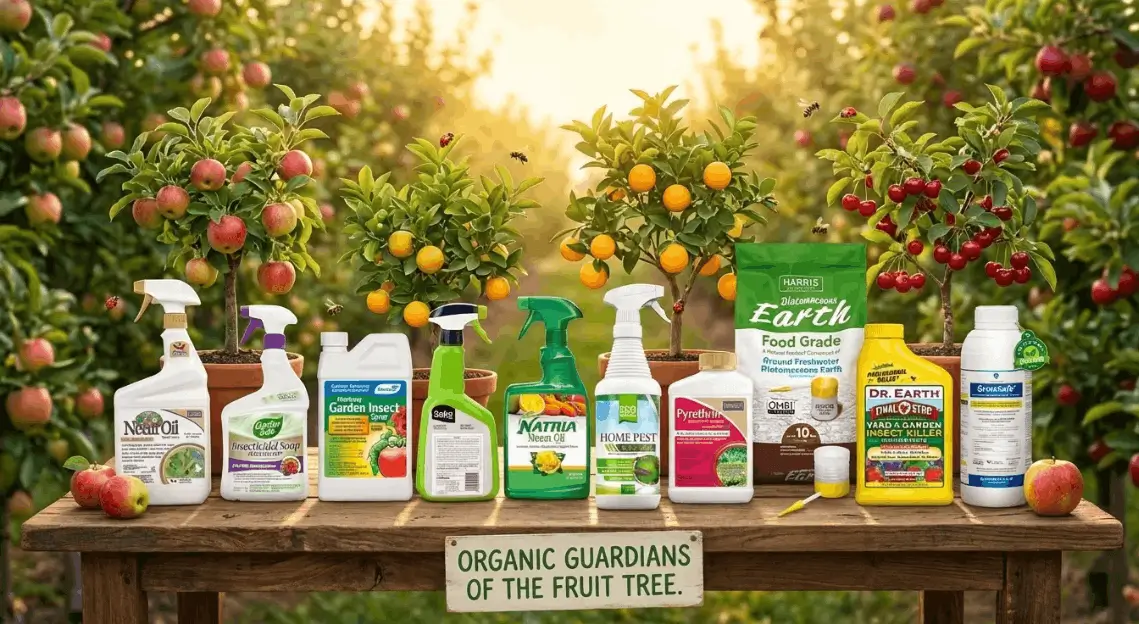
Growing fruit trees in containers or small gardens can be incredibly rewarding. Whether you’re cultivating lemons on a balcony, apples on a patio, or figs in a compact backyard, nothing beats harvesting fresh fruit from your own trees.
However, one challenge nearly every gardener faces is pests.
Aphids, spider mites, whiteflies, scale insects, and caterpillars can quickly damage leaves, stunt growth, and reduce fruit production. When you’re growing fruit trees in containers, these problems can appear even faster because the ecosystem is smaller and more controlled.
Many gardeners hesitate to use chemical pesticides — especially when the goal is growing healthy, edible fruit.
That’s where the best organic pest control for fruit trees becomes essential.
Organic pest control products protect your trees while keeping your garden safe for:
- beneficial insects
- pollinators like bees
- pets
- your family
- edible harvests
In this guide, we’ll review 10 of the best organic pest control products for fruit trees that work especially well for container gardening and small-space orchards.
These solutions help you eliminate pests naturally while keeping your trees healthy and productive.
Top 10 Best Organic Pest Control for Fruit Trees
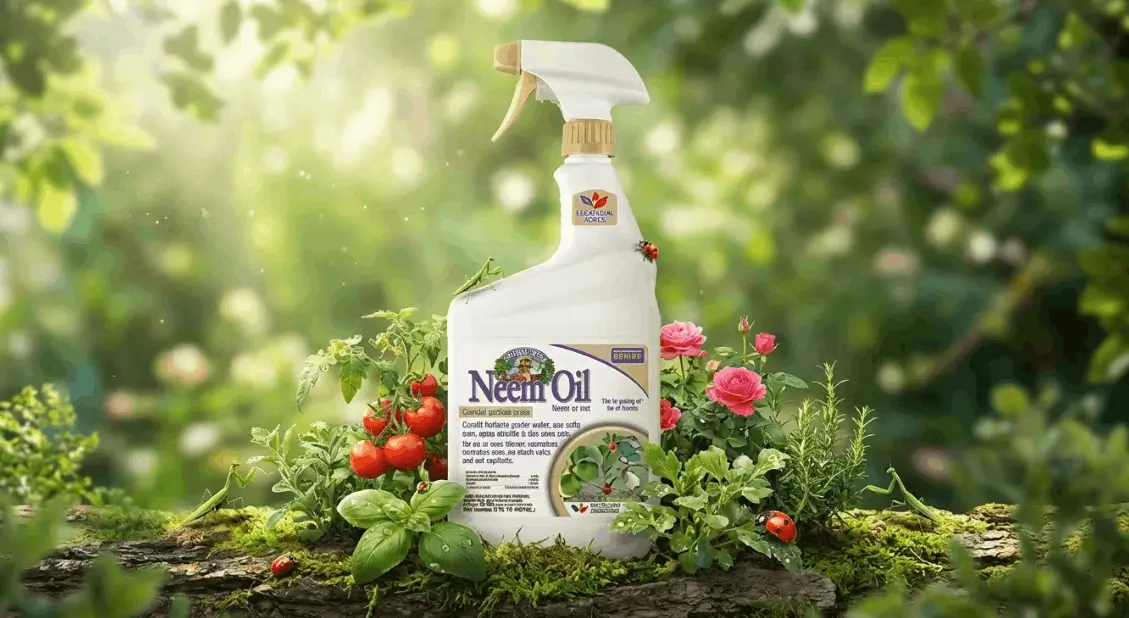
1. Bonide Captain Jack’s Neem Oil
Overview
Neem oil is one of the most trusted organic pest control solutions for gardeners. Bonide Captain Jack’s Neem Oil works as an insecticide, fungicide, and miticide, making it ideal for protecting fruit trees from multiple pests.
Key Features
- Cold-pressed neem oil formula
- Controls aphids, mites, and whiteflies
- Works as both insecticide and fungicide
- Safe for organic gardening
Pros
- Multi-purpose pest and disease control
- Safe for edible plants
- Works on many garden pests
Cons
- Needs repeated applications
- Strong smell during spraying
Best For
Gardeners who want an all-in-one organic pest control solution for fruit trees.
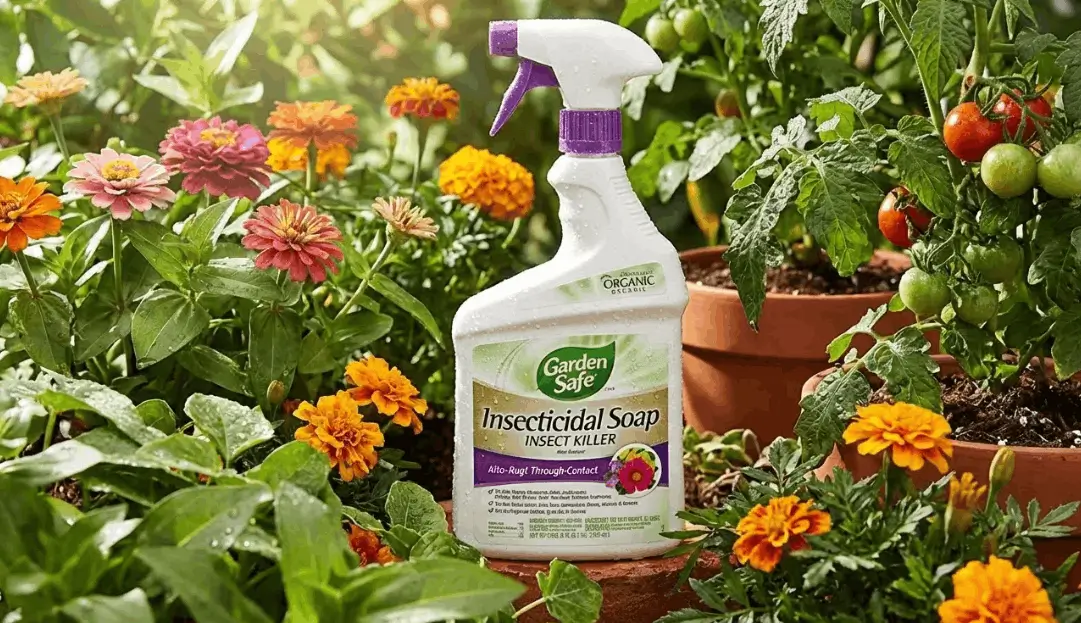
2. Garden Safe Insecticidal Soap
Overview
Insecticidal soap is one of the fastest natural solutions for soft-bodied pests. Garden Safe’s formula kills aphids, mites, and whiteflies on contact.
Key Features
- Potassium salts of fatty acids formula
- Kills pests on contact
- Safe for edible crops
- No harmful chemical residue
Pros
- Immediate pest control
- Easy spray application
- Safe for organic gardening
Cons
- Only effective on direct contact
- Does not prevent future infestations
Best For
Quickly eliminating aphids and mites on container fruit trees.
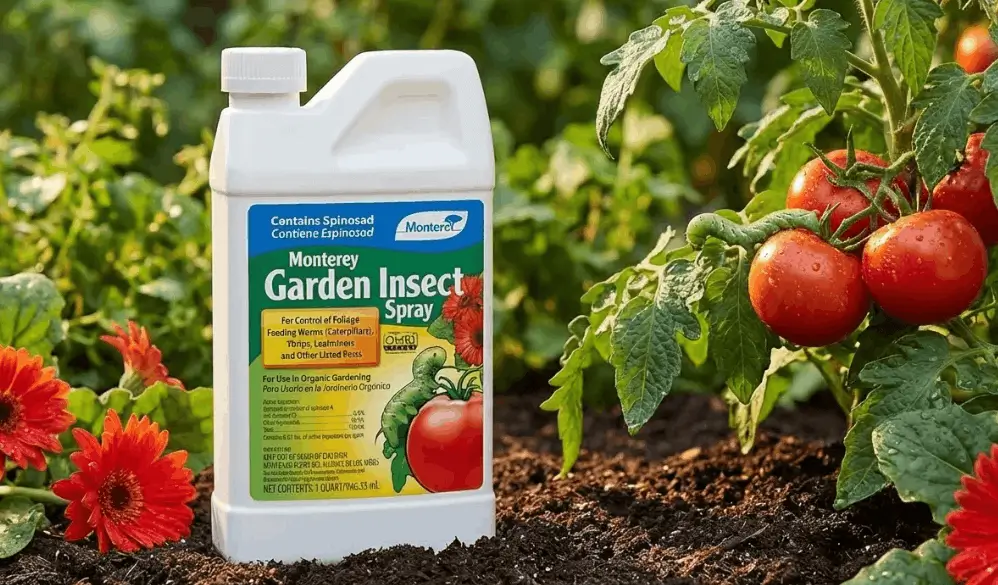
3. Monterey Garden Insect Spray (Spinosad)
Overview
Spinosad is a natural bacterial pesticide derived from soil microbes. It is extremely effective against caterpillars, thrips, and fruit tree borers.
Key Features
- Derived from natural soil bacteria
- Controls caterpillars and leaf miners
- OMRI listed for organic gardening
- Long lasting protection
Pros
- Highly effective against chewing pests
- Safe for organic gardens
- Works on many fruit trees
Cons
- Should not be sprayed during bee activity
- Slightly more expensive than basic sprays
Best For
Gardeners dealing with caterpillars and leaf-eating insects.
4. Safer Brand Neem Oil Concentrate
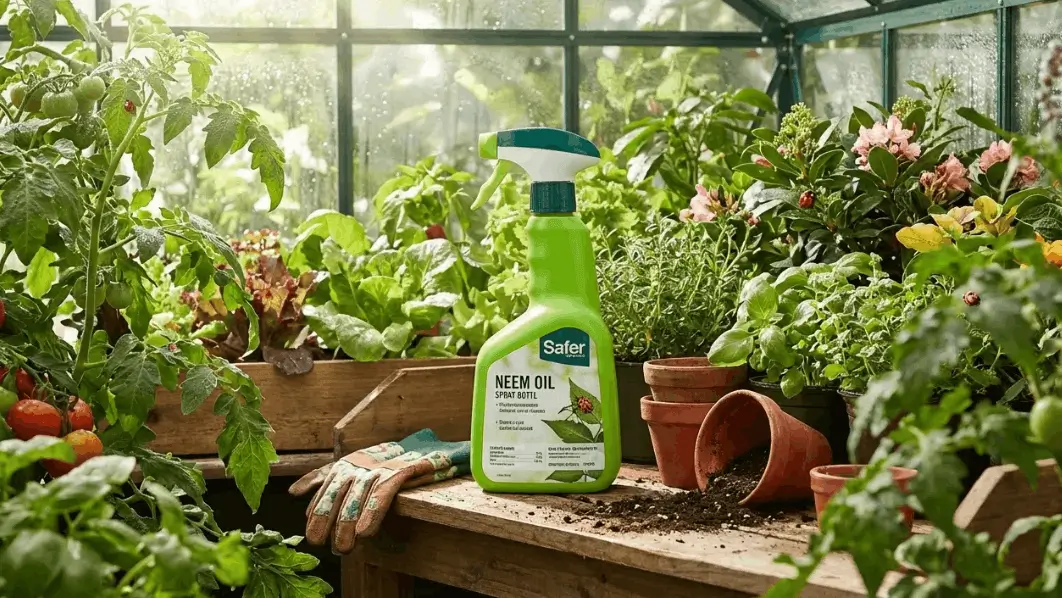
Overview
Safer Brand Neem Oil is a concentrated organic solution that controls pests and fungal diseases affecting fruit trees.
Key Features
- Concentrated neem oil formula
- Controls insects and mildew
- OMRI listed organic product
- Suitable for fruit trees and vegetables
Pros
- Multi-purpose solution
- Long shelf life
- Covers large garden areas
Cons
- Requires mixing before use
- Can burn leaves if applied in strong sun
Best For
Gardeners who want a concentrated organic pest control solution.
5. Natria Neem Oil Spray for Plants
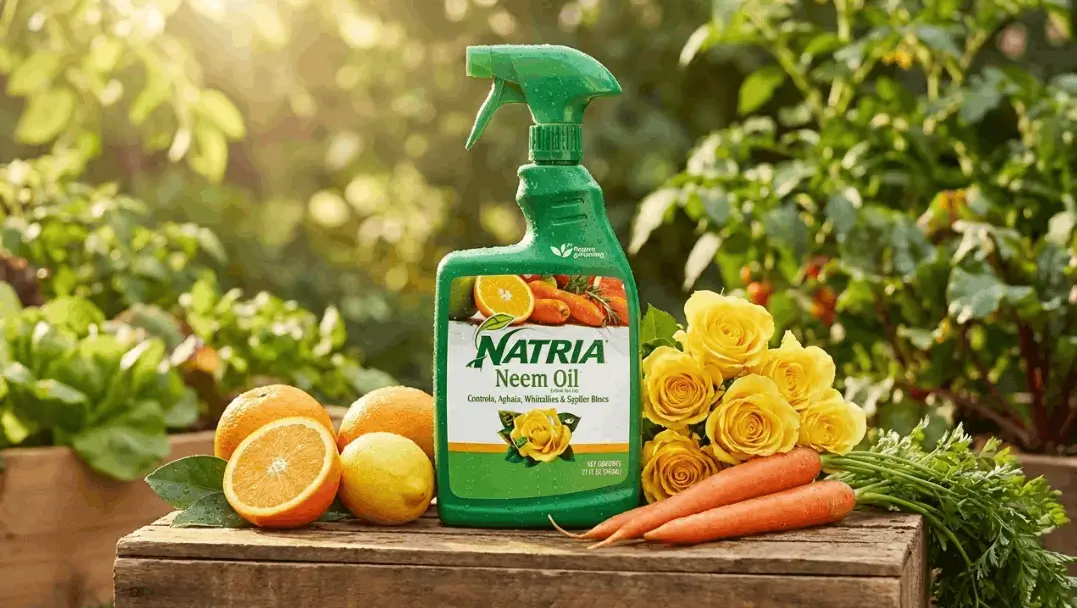
Overview
Natria Neem Oil Spray offers ready-to-use protection for container fruit trees. It helps control aphids, spider mites, and scale insects.
Key Features
- Ready-to-spray bottle
- Organic neem oil formula
- Controls insects and fungal diseases
- Safe for fruits and vegetables
Pros
- Convenient spray bottle
- No mixing required
- Effective against many pests
Cons
- Smaller coverage area
- Needs frequent applications
Best For
Small gardens and balcony fruit trees.
6. Eco Defense Organic Home Pest Control Spray
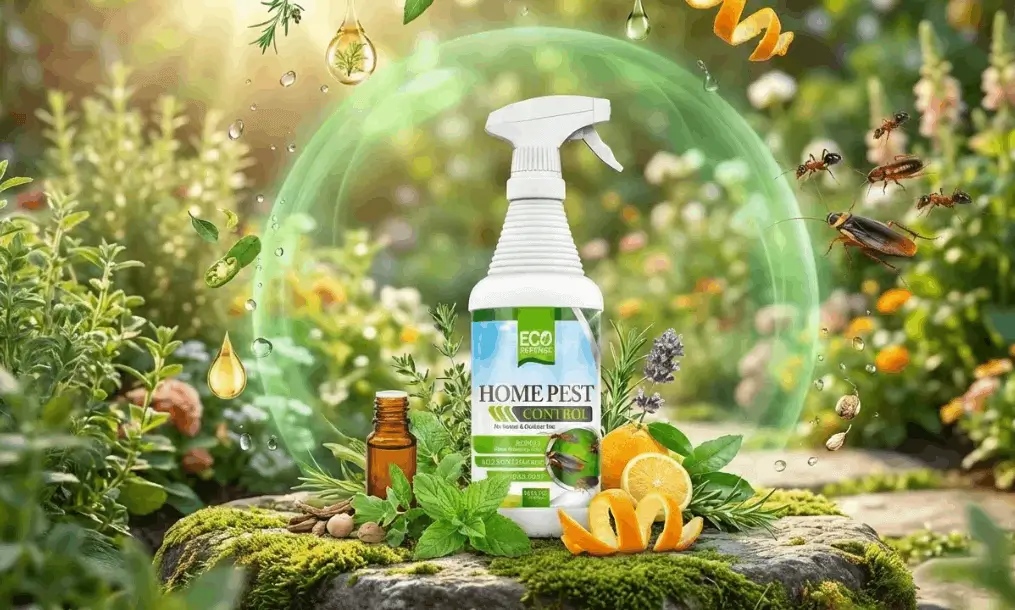
Overview
Eco Defense uses plant-based ingredients to repel and eliminate pests naturally without harsh chemicals.
Key Features
- Non-toxic plant-based formula
- Safe for pets and humans
- Works on multiple insect species
- Ready-to-use spray
Pros
- Safe indoor and outdoor use
- Pleasant smell compared to chemicals
- Eco-friendly formula
Cons
- Less powerful for heavy infestations
- Requires frequent spraying
Best For
Gardeners looking for the safest organic pest control option.
7. Bonide Pyrethrin Garden Insect Spray
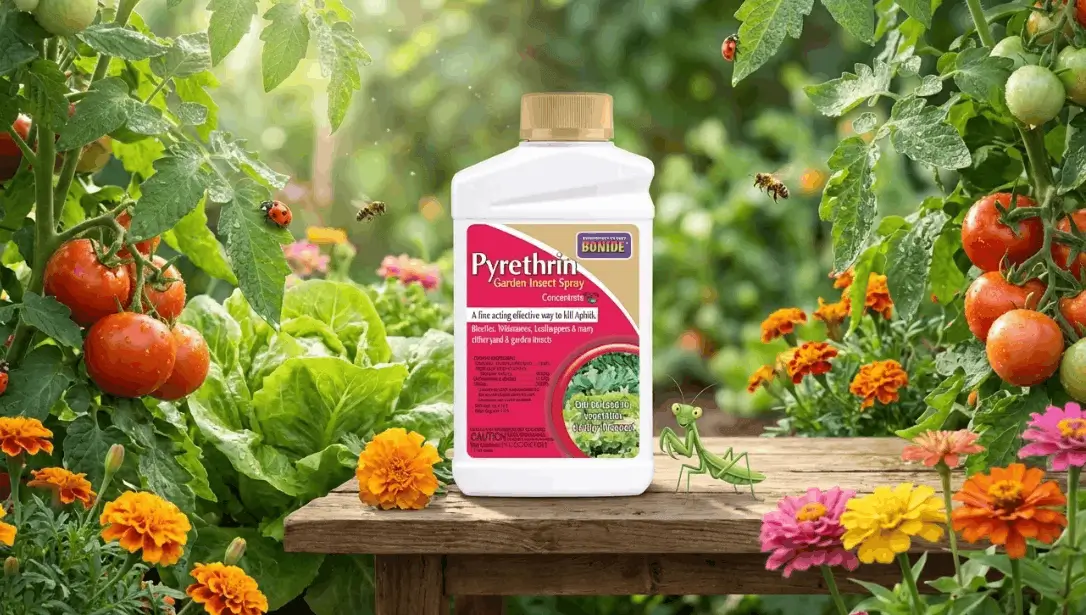
Overview
Pyrethrin is a natural insecticide derived from chrysanthemum flowers. This product quickly kills a wide range of pests.
Key Features
- Natural botanical insecticide
- Fast-acting pest control
- Works on aphids, beetles, and caterpillars
- Safe for organic gardening
Pros
- Fast results
- Broad pest control
- Natural plant-derived ingredient
Cons
- Short residual effect
- Can affect beneficial insects if overused
Best For
Gardeners needing fast pest elimination.
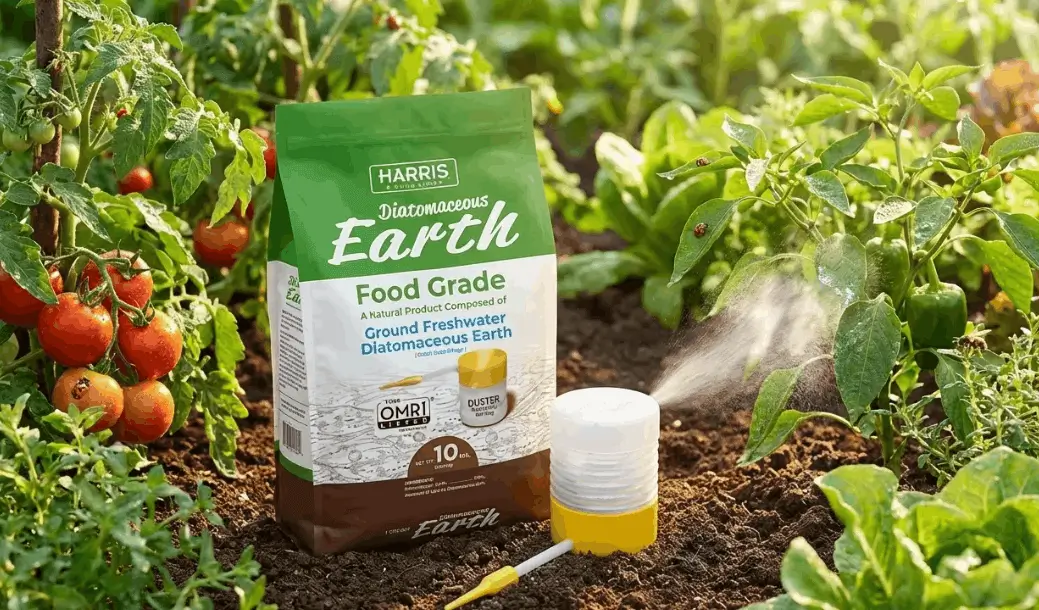
8. Harris Diatomaceous Earth Food Grade
Overview
Diatomaceous earth is a natural powder made from fossilized algae that kills insects by damaging their outer shells.
Key Features
- 100% natural mineral powder
- Food grade safe product
- Long lasting pest barrier
- No chemical pesticides
Pros
- Completely organic pest control
- Long shelf life
- Safe around plants
Cons
- Ineffective when wet
- Requires reapplication after rain
Best For
Preventing crawling pests around fruit tree containers.
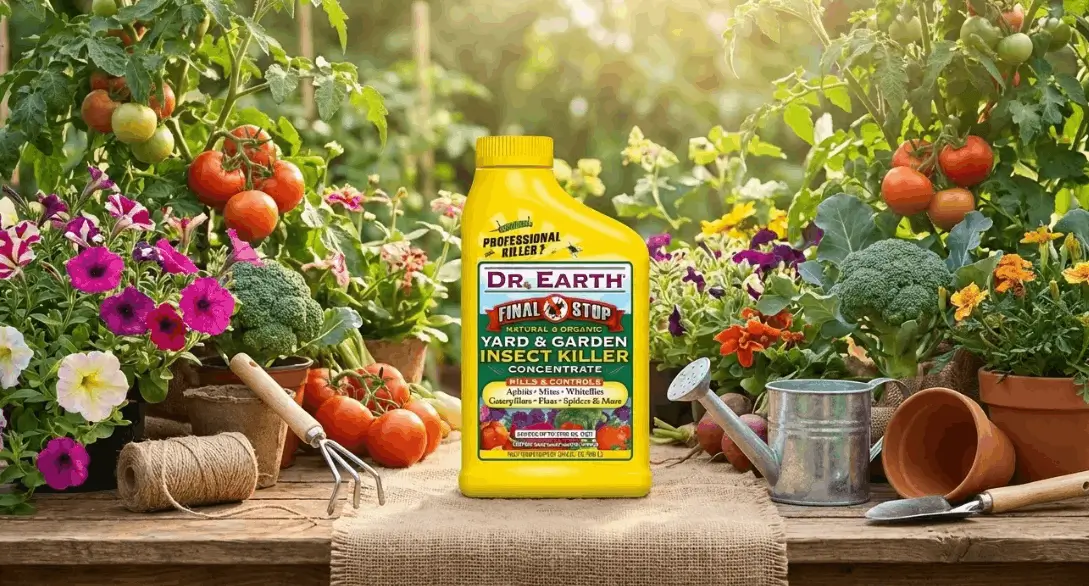
9. Dr. Earth Final Stop Pest Control
Overview
Dr. Earth uses essential oils to repel insects naturally. It works as both a preventative and treatment spray.
Key Features
- Essential oil formula
- Safe for organic gardening
- Kills and repels insects
- Ready-to-use spray
Pros
- Pleasant smell
- Plant-safe formula
- Works on many pests
Cons
- Requires repeated use
- Less effective on severe infestations
Best For
Gardeners seeking natural plant-oil pest protection.
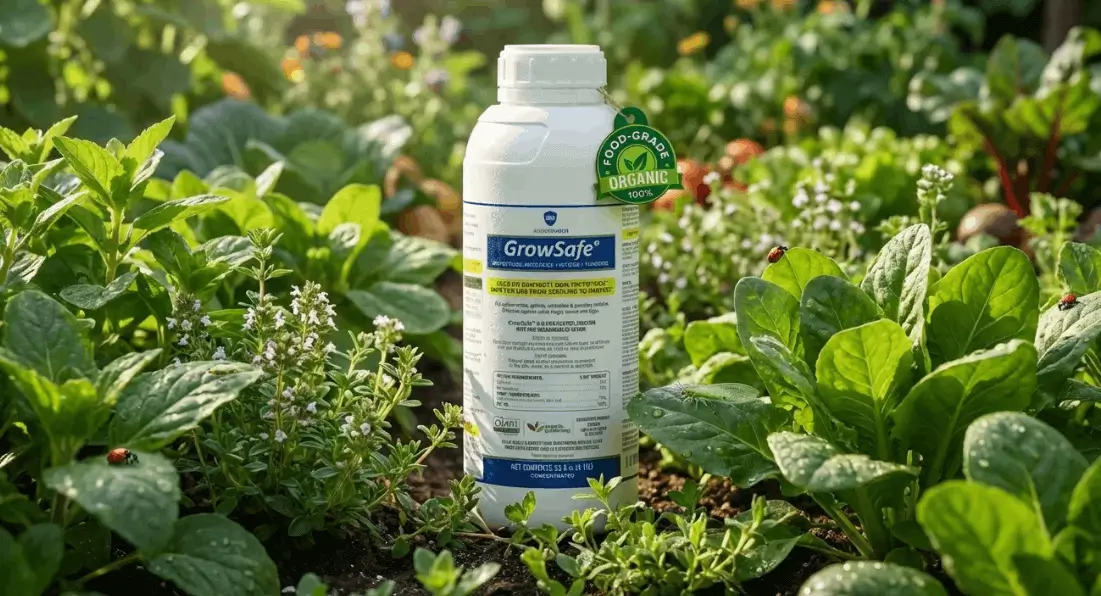
10. GrowSafe Bio-Pesticide
Overview
GrowSafe Bio-Pesticide is a highly effective organic solution used by professional growers.
Key Features
- Food-grade ingredients
- Safe for edible plants
- Controls mites and aphids
- Non-toxic formula
Pros
- Professional-grade organic solution
- Safe for beneficial insects when used correctly
- Effective for greenhouse gardening
Cons
- Higher price
- Requires careful dilution
Best For
Serious gardeners who want professional organic pest control.
Buying Guide: How to Choose the Best Organic Pest Control for Fruit Trees
Choosing the right organic pest control depends on several factors, especially when growing fruit trees in containers.
Pest Type
Different pests require different solutions.
Common fruit tree pests include:
- aphids
- spider mites
- whiteflies
- scale insects
- caterpillars
Neem oil and insecticidal soaps work best for soft-bodied insects, while spinosad works for chewing pests.
Container Size
Larger containers may require stronger pest control because infestations can spread quickly in dense foliage.
Balcony gardeners usually benefit from ready-to-use sprays.
Soil Compatibility
Organic sprays should not disrupt beneficial soil microbes. Neem oil and biological sprays are excellent for maintaining soil health.
Ease of Application
Ready-to-use sprays are easier for beginners, while concentrates are better for large gardens.
Durability
Some pest control products last longer than others.
For example:
- neem oil requires weekly spraying
- diatomaceous earth lasts longer in dry conditions
Common Problems With Potted Fruit Trees
Growing fruit trees in containers can lead to several challenges.
Root Rot
Overwatering or poor drainage can suffocate roots and attract pests.
Solution:
Fruit Drop
Fruit trees sometimes drop immature fruit due to stress.
Causes include:
- pests
- watering issues
- nutrient imbalance
Poor Drainage
Compacted soil leads to root problems and fungal diseases.
Use a mix of:
- compost
- perlite
- coco coir
Slow Growth
If your fruit tree grows slowly, pests may be draining plant energy.
Regular pest monitoring is essential.
Expert Container Gardening Tips
Growing fruit trees in small spaces requires a few specialized techniques.
Use Large Containers
Most fruit trees need 15–25 gallon containers for proper root development.
Improve Air Circulation
Prune regularly to reduce humidity and prevent pests.
Monitor Leaves Weekly
Check the underside of leaves where pests hide.
Encourage Beneficial Insects
Ladybugs and lacewings naturally control pests.
Spray Early Morning
Organic sprays work best before strong sunlight.
Final Verdict
Choosing the best organic pest control for fruit trees depends on your specific pest problem and gardening setup.
Best Overall
Bonide Captain Jack’s Neem Oil
A powerful multi-purpose organic solution for pests and fungal diseases.
Best Budget Option
Garden Safe Insecticidal Soap
Affordable and extremely effective against aphids and mites.
Best Premium Choice
GrowSafe Bio-Pesticide
A professional-grade organic pest control used by experienced growers.
FAQ: Best Organic Pest Control for Fruit Trees
What is the best organic pest control for fruit trees?
Neem oil is widely considered the best organic pest control for fruit trees because it kills insects while preventing fungal diseases.
How often should I spray organic pest control on fruit trees?
Most organic sprays should be applied every 7–10 days, especially during active pest seasons.
Is neem oil safe for fruit trees?
Yes. Neem oil is safe for edible plants when used according to instructions and applied during cooler parts of the day.
Can organic pest control harm beneficial insects?
Some sprays may affect beneficial insects if sprayed directly. Apply treatments early morning or evening to reduce impact.
What pests attack fruit trees in containers?
Common pests include:
- aphids
- spider mites
- whiteflies
- scale insects
- caterpillars
Do organic pesticides really work?
Yes. Organic pest control works very well when applied consistently and combined with good garden practices.