
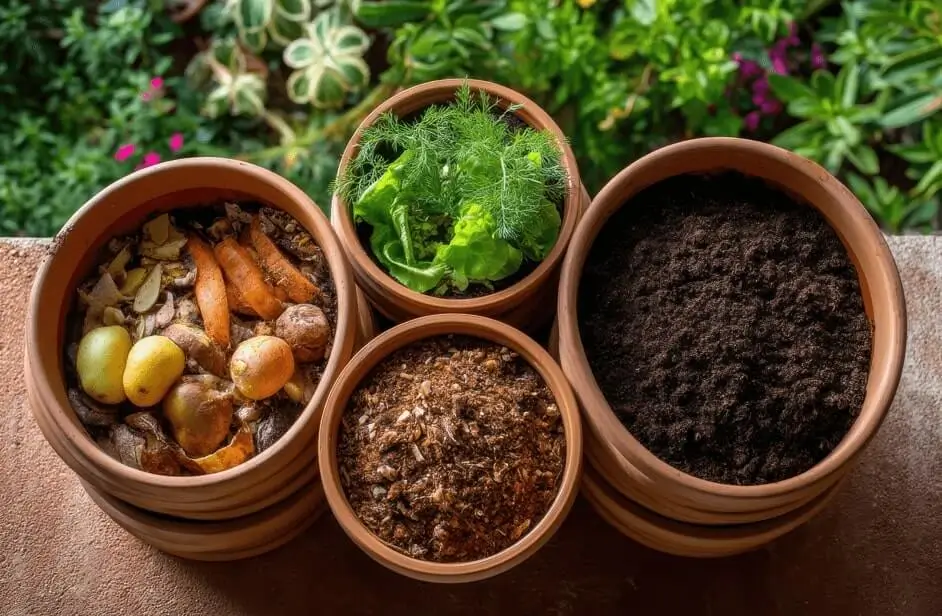
Creating your own organic potting soil for container fruit plants is one of the best ways to improve plant health, boost drainage, and save money over time. Instead of relying on expensive commercial mixes, you can make simple DIY organic soil recipes using natural ingredients like compost, coconut coir, worm castings, and perlite. The right mix helps container fruit plants develop stronger roots, retain proper moisture, and produce healthier growth throughout the season. In this guide, you’ll discover beginner-friendly organic soil recipes that actually work for containers, along with tips for choosing the best ingredients for thriving fruit plants.
Why Organic Soil Recipes Matter for Container Fruit Gardening
Container-grown fruit trees and plants face unique challenges that garden soil alone can’t solve. In pots, roots are confined, water drains differently, and nutrients wash out faster. Organic soil recipes are designed to solve these exact problems.
Better Drainage Without Starving Roots
Organic mixes balance moisture retention and airflow. Ingredients like compost, coconut coir, and perlite prevent soggy roots while still holding enough water for consistent growth. This balance is essential, especially if you’ve struggled with soil problems in container gardening.
Slow, Natural Nutrient Release
Unlike synthetic fertilizers that feed plants briefly, organic soil feeds them continuously. Compost, worm castings, and organic amendments release nutrients slowly, supporting fruiting over months instead of weeks.
Healthier Root Systems
Living organic soil encourages beneficial microbes and fungi. These organisms improve nutrient uptake and root resilience—key factors for long-term container fruit production.
Safer for Home Growers
Organic soil recipes are ideal for balconies, patios, and small spaces. There’s no risk of chemical buildup, making them safer for families, pets, and edible harvests.
Core Ingredients Used in Organic Container Soil Mixes
Before mixing soil, it’s important to understand what each component does. Think of soil recipes as formulas—each ingredient has a specific role.
1. Compost (The Foundation)
High-quality compost provides nutrients, improves structure, and supports beneficial microbes. If you’re unsure about using it in containers, see this guide on using garden compost safely in pots.
2. Coconut Coir or Peat Moss (Moisture Control)
Coconut coir is the preferred organic option. It holds water evenly without compacting and is renewable. Learn more about coconut coir for fruit trees in containers if you’re new to it.
3. Perlite or Pumice (Drainage & Airflow)
These lightweight materials keep soil loose and prevent compaction. If you’re deciding between perlite and vermiculite for containers, this comparison explains which works best for fruit plants.
4. Worm Castings (Nutrient Booster)
Worm castings add gentle nutrients and beneficial microbes. A small amount goes a long way.
5. Organic Amendments (Optional but Powerful)
- Bone meal (phosphorus for roots and fruiting)
- Kelp meal (trace minerals and stress resistance)
- Neem cake (slow nitrogen + pest suppression)
Step-by-Step Organic Soil Recipes for Containers
Below are proven organic soil recipes you can mix at home. Each recipe is tailored to common container fruit-growing needs.
Recipe 1: All-Purpose Organic Container Soil (Beginner-Friendly)
Best for: Citrus, figs, berries, and dwarf fruit trees
Mix ratio:
- 40% compost
- 30% coconut coir
- 20% perlite or pumice
- 10% worm castings
Why it works:
This balanced mix provides nutrients, drainage, and moisture retention. It’s ideal if you want one reliable soil for most container fruit plants.
This balanced mix provides nutrients, drainage, and moisture retention. It’s ideal if you want one reliable soil for most container fruit plants.
Recipe 2: Fast-Draining Mix for Citrus & Mediterranean Fruits
Best for: Lemon, orange, olive, fig trees
Mix ratio:
- 35% compost
- 25% coconut coir
- 30% perlite or pumice
- 10% coarse sand or fine bark
Why it works:
Citrus hates wet roots. This recipe improves drainage while still holding enough moisture for hot climates and sunny balconies.
Citrus hates wet roots. This recipe improves drainage while still holding enough moisture for hot climates and sunny balconies.
Recipe 3: Moisture-Retentive Mix for Berries
Best for: Strawberries, blueberries, raspberries
Mix ratio:
- 45% compost
- 35% coconut coir
- 15% perlite
- 5% worm castings
Why it works:
Berry plants prefer consistently moist soil. This mix reduces drying while avoiding compaction—especially useful in smaller pots.
Berry plants prefer consistently moist soil. This mix reduces drying while avoiding compaction—especially useful in smaller pots.
Recipe 4: Long-Term Soil for Large Containers (Minimal Repotting)
Best for: Large fruit trees in 10–20 gallon pots
Mix ratio:
- 40% compost
- 25% coconut coir
- 25% pumice or pine bark fines
- 10% worm castings
Why it works:
This recipe resists compaction over time and pairs well with top dressing and mulching rather than frequent repotting.
This recipe resists compaction over time and pairs well with top dressing and mulching rather than frequent repotting.
How to Mix Organic Soil Correctly (Without Compacting It)
- Use a large bucket, tarp, or wheelbarrow.
- Add the dry ingredients first, then mix evenly.
- Moisten slightly—soil should feel damp, not wet.
- Fill containers gently (do not press down)
- Water thoroughly after planting to settle the mix
Avoid packing soil tightly. Compaction is one of the most common causes of root problems in containers.
Common Mistakes Beginners Make With Organic Soil Recipes
Using Garden Soil in Pots
Garden soil compacts easily and drains poorly. This often leads to root rot and nutrient lockout.
Overloading Compost
Too much compost can reduce airflow and cause soggy conditions. Balance is key.
Ignoring Soil pH
Different fruits prefer different pH ranges. Testing matters—especially for berries and citrus. Learn how to test soil pH at home to avoid hidden issues.
Never Refreshing the Soil
Organic soil feeds plants, but nutrients eventually decline. Top-dress with compost or worm castings every season.
Forgetting Drainage Holes
Even the best soil fails in containers without proper drainage.
Tools, Containers, and Care Tips for Organic Soil Success
Best Containers
- Fabric grow bags (excellent airflow)
- Plastic pots with large drainage holes
- Terracotta for dry climates
Mulching Matters
Adding organic mulch reduces moisture loss and improves soil life. This guide on mulching fruit trees in containers explains how to do it properly.
Seasonal Feeding
Organic soil works best when paired with light, regular feeding. Compost tea or diluted organic fertilizer during flowering and fruiting keeps plants productive.
Frequently Asked Questions (FAQ)
Can I reuse organic soil from last season?
Yes, but refresh it with compost and worm castings. Remove old roots and improve drainage if needed.
Is organic soil enough without fertilizer?
For short-term crops, yes. For fruit trees, light organic feeding during the growing season is recommended.
How often should I replace container soil?
Every 2–3 years for large containers. Smaller pots benefit from annual refreshing.
Can I use only compost as potting soil?
No. Compost alone lacks structure and drainage. Always blend it with aeration materials.
What’s the best organic soil recipe for beginners?
The all-purpose recipe is the safest starting point. It works for most container fruit plants.
Conclusion: Build Living Soil for Better Container Harvests
Creating your own organic soil recipes for containers is one of the most impactful steps you can take as a home fruit gardener. Instead of guessing what’s inside a bagged mix, you control drainage, nutrition, and long-term plant health. With the right ingredients and simple ratios, you can grow stronger roots, healthier plants, and better-tasting fruit—even in small spaces.
Start with one recipe, observe how your plants respond, and adjust over time. Pair good soil with proper watering, mulching, and seasonal feeding, and your containers will become productive mini-orchards. The foundation of successful container fruit gardening isn’t fertilizer—it’s living, organic soil built the right way.