
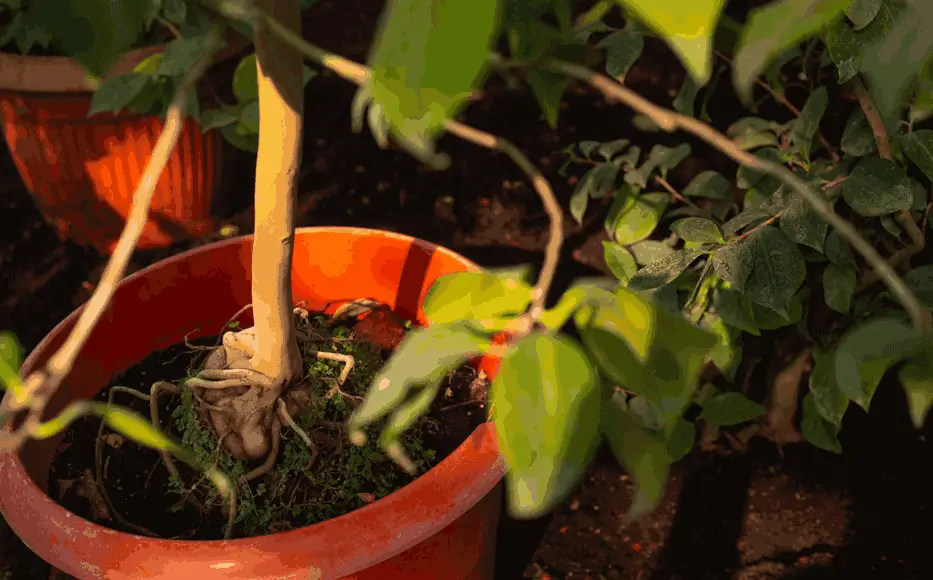
Poor drainage is one of the most common problems affecting potted fruit trees, often leading to root rot, yellowing leaves, and stunted growth. When excess water cannot escape properly, it deprives roots of oxygen and creates an unhealthy growing environment. Understanding the causes and recognizing early signs of drainage issues can help you protect your fruit trees and keep them thriving in containers.
In this beginner-friendly guide, you’ll learn exactly why drainage fails in containers, how it affects fruit trees, and the step-by-step solutions that actually work in balconies, patios, and small gardens. Whether you’re growing citrus, figs, apples, or berries in pots, this article will help you restore root health and grow stronger, more productive fruit trees — without guesswork.
Why Poor Drainage Matters for Potted Fruit Trees
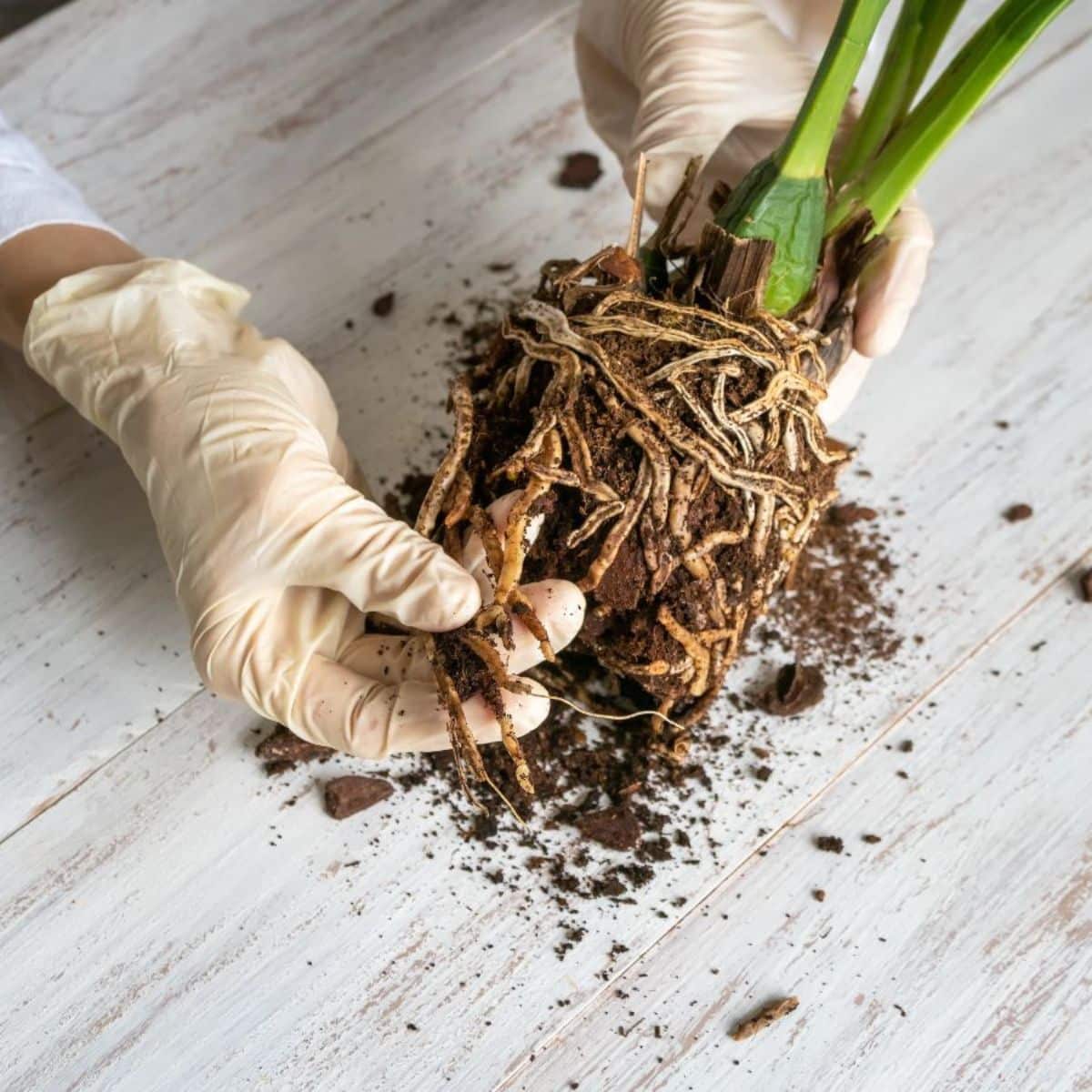
Fruit trees grown in containers rely entirely on you for proper soil structure and drainage. Unlike in-ground trees, excess water has nowhere to go if the pot and soil aren’t designed correctly.
When drainage is poor:
- Roots suffocate due to lack of oxygen
- Beneficial microbes die off
- Harmful fungi thrive
- Nutrient uptake becomes inefficient
Over time, this leads to root rot, stunted growth, leaf drop, and fruit failure. This is especially critical in container fruit gardening, where trees already operate in a limited root zone.
If you’re growing fruit trees on a balcony or terrace, proper drainage isn’t optional — it’s the foundation of long-term success.
Main Causes of Poor Drainage in Potted Fruit Trees

1. Containers Without Drainage Holes
This is the #1 mistake beginners make. Decorative pots without drainage holes trap water at the bottom, creating a permanent swamp for roots.
2. Heavy or Compact Soil Mixes
Garden soil or cheap potting mixes compact over time, blocking air spaces and slowing water movement.
3. Pots That Are Too Large
Oversized containers hold excess moisture longer, especially when the root system is still small.
4. Clogged Drainage Holes
Roots, fine soil particles, or debris can block holes, preventing proper water flow.
5. Overwatering Habits
Even well-draining soil can become waterlogged if watered too frequently without checking moisture levels.
Step-by-Step Solutions to Fix Poor Drainage in Potted Fruit Trees

Step 1: Choose the Right Container
Always use pots with multiple drainage holes. Breathable materials like fabric pots, terracotta, or high-quality plastic work best.
For guidance on sizing and materials, see our in-depth guide on choosing the best containers for balcony fruit trees.
Step 2: Use a Fast-Draining Soil Mix
An ideal container mix should:
- Drain quickly
- Retain light moisture
- Stay airy over time
A proven mix:
- 60% quality potting soil
- 20% perlite or pumice
- 20% compost or coco coir
Avoid garden soil entirely. Learn more in our detailed breakdown of the best soil for fruit trees in balcony containers.
Step 3: Elevate the Pot
Place pots on feet or risers so water can escape freely instead of pooling underneath.
Step 4: Check Drainage Before Watering
Water until liquid flows from the bottom. If it doesn’t drain within seconds, drainage is still poor.
Step 5: Adjust Your Watering Routine
Water only when the top 2–3 cm of soil is dry. More water does not mean more growth.
Signs Your Potted Fruit Tree Is Suffering from Poor Drainage
Look for these warning signs:
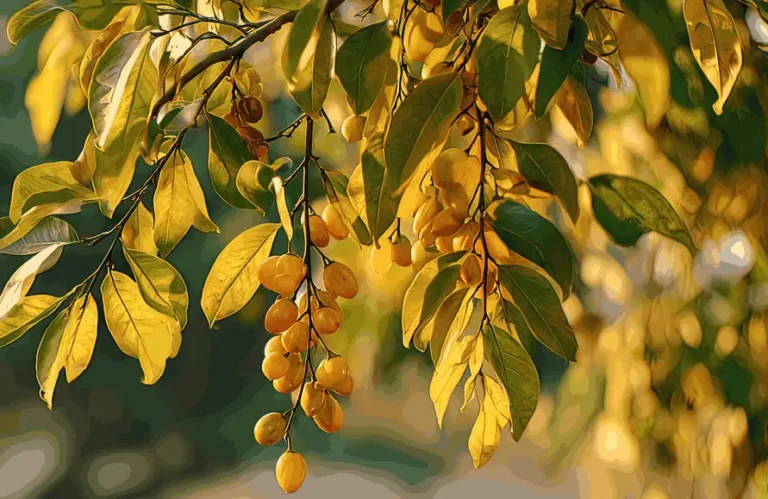
- Yellowing leaves (especially lower leaves)
- Wilting despite wet soil
- Slow or no new growth
- Sour smell from soil
- Black, mushy roots
If leaves are already yellowing, read our troubleshooting guide on why container fruit trees develop yellow leaves.
Common Beginner Mistakes That Cause Drainage Problems
Adding Gravel at the Bottom of Pots
This does not improve drainage. It creates a perched water table that traps moisture higher in the pot.
Using Decorative Cache Pots
Placing a nursery pot inside a decorative container without emptying runoff water leads to root rot.
Repotting Too Late
Waiting until the tree shows severe decline makes recovery harder. Drainage issues should be corrected early.
Ignoring Seasonal Changes
Cool or cloudy weather reduces evaporation — watering habits must adjust accordingly.
Tools, Containers, and Care Tips That Improve Drainage

Recommended Tools
- Soil moisture meter
- Pot risers or feet
- Hand trowel for soil aeration
Best Container Types
- Fabric grow bags (excellent airflow)
- Terracotta pots (breathable but dry faster)
- High-quality plastic pots with large holes
Ongoing Care Tips
- Refresh soil annually
- Loosen topsoil gently every few weeks
- Avoid saucers filled with standing water
For a complete foundation, explore our container fruit gardening for balconies guide.
FAQ: Poor Drainage in Potted Fruit Trees
Can poor drainage kill a potted fruit tree?
Yes. Prolonged waterlogging suffocates roots and leads to irreversible root rot.
How fast should water drain from a fruit tree pot?
Water should begin draining within seconds and finish within 30–60 seconds.
Should I drill extra holes in plastic pots?
Yes. More holes improve drainage and reduce water retention risks.
Is bottom watering good for fruit trees?
Occasionally, but not if drainage is already poor. Top watering helps flush excess salts.
Can I save a tree with root rot?
Sometimes. Remove rotten roots, repot in fresh fast-draining soil, and reduce watering.
Conclusion: Healthy Drainage = Healthy Fruit Trees
Poor drainage in potted fruit trees is one of the biggest hidden killers in container gardening — but it’s also one of the easiest problems to fix. With the right container, a well-aerated soil mix, and smarter watering habits, you can restore root health and dramatically improve growth and fruiting.
Start today by checking your drainage holes, upgrading your soil, and adjusting your watering routine. Small changes now can mean years of healthy harvests ahead. For long-term success, make drainage the first priority in every container fruit tree you grow.