
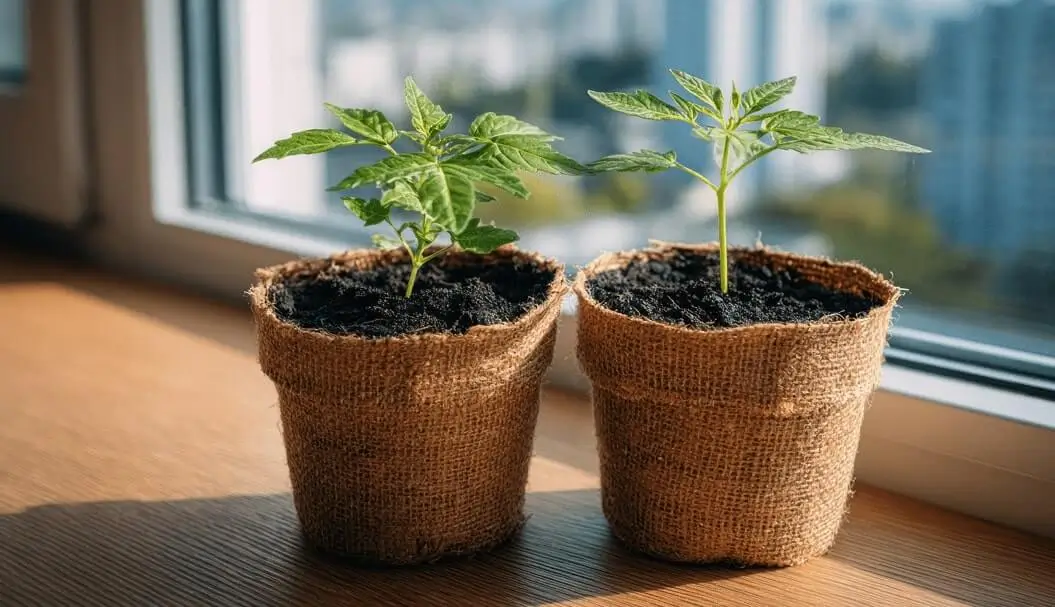
Choosing the right soil is one of the biggest secrets to successfully growing healthy fruit trees on a balcony. Many beginners struggle with poor drainage, compacted soil, or weak plant growth simply because they use regular garden soil in containers. Balcony fruit trees need a light, nutrient-rich, well-draining soil mix that supports strong roots while holding enough moisture for steady growth.
In this beginner-friendly guide, you’ll learn exactly what type of soil works best for fruit trees in balcony containers, which ingredients improve drainage and nutrition, and how to create the perfect growing environment for healthy fruit production in small spaces.
Why Soil Choice Matters for Balcony Fruit Trees
Key challenges of balcony container soil
- Limited root space
- Faster drying due to wind and sun
- Higher risk of waterlogging without proper drainage
- Nutrients wash out more quickly.
Characteristics of the Best Soil for Fruit Trees in Balcony Containers
1. Excellent Drainage (Non-Negotiable)
- Water flows through freely.
- Soil stays moist, not wet.
- Roots get air pockets.
2. Strong Moisture Retention (Without Waterlogging)
- Holds moisture evenly
- Prevents daily stress from drying
- Supports consistent growth
3. Nutrient-Rich but Not Heavy
- Contain slow-release organic nutrients.
- Support beneficial microbes
- Avoid compacting over time.
4. Slightly Acidic to Neutral pH
- pH 6.0–6.8
Best Soil Types for Balcony Fruit Trees (Compared)
| Soil Type | Suitable? | Why |
| Garden soil | ❌ No | Compacts, drains poorly |
| Regular potting soil | ⚠️ Limited | Often too dense alone |
| Premium container mix | ✅ Yes | Designed for drainage |
| DIY fruit tree mix | ⭐ Best | Fully customizable |
| Citrus-specific soil | ✅ For citrus | pH-balanced, airy |
Best DIY Soil Mix for Fruit Trees in Balcony Containers
Step-by-Step Balcony-Friendly Soil Recipe
- 40% high-quality potting mix
- 30% compost or worm castings
- 20% perlite or pumice
- 10% coco coir (or peat moss)
- A handful of aged bark fines (extra aeration)
- Slow-release organic fertilizer
- Combine dry ingredients first.
- Add compost last
- Mix thoroughly until fluffy.
- Pre-moisten before planting
Best Soil for Specific Balcony Fruit Trees
Citrus Trees (Lemon, Orange, Mandarin)
- Fast-draining soil
- Slightly acidic pH
- Extra perlite recommended
Apple, Pear & Stone Fruits
- Balanced moisture retention
- Rich compost content
- Strong structure for anchoring
Fig Trees
- Excellent drainage
- Slightly drier soil preference
- Minimal peat
How Container Size Affects Soil Performance
- Drainage speed
- Root temperature
- Nutrient availability
- Dwarf trees: 40–50 litres
- Semi-dwarf: 60–80 litres
Common Soil Mistakes Balcony Gardeners Make
❌ Using garden soil in pots
❌ Ignoring drainage holes
❌ Overloading compost
❌ Reusing old compacted soil
❌ Forgetting to refresh nutrients yearly
Best Practices for Long-Term Soil Health
- Refresh the top ⅓ of the soil every year.
- Add compost lightly in spring.
- Mulch the surface with bark or straw.
- Avoid synthetic fertilizers that damage microbes.
FAQ: Best Soil for Fruit Trees in Balcony Containers
What is the best soil for fruit trees in balcony containers?
Can I use regular potting soil alone?
How often should I change the soil in containers?
Is cactus soil good for fruit trees?
Do fruit trees need special soil for balconies?
Conclusion: Build the Foundation for Balcony Fruit Success
- Strong roots
- Better flowering
- More reliable fruiting