
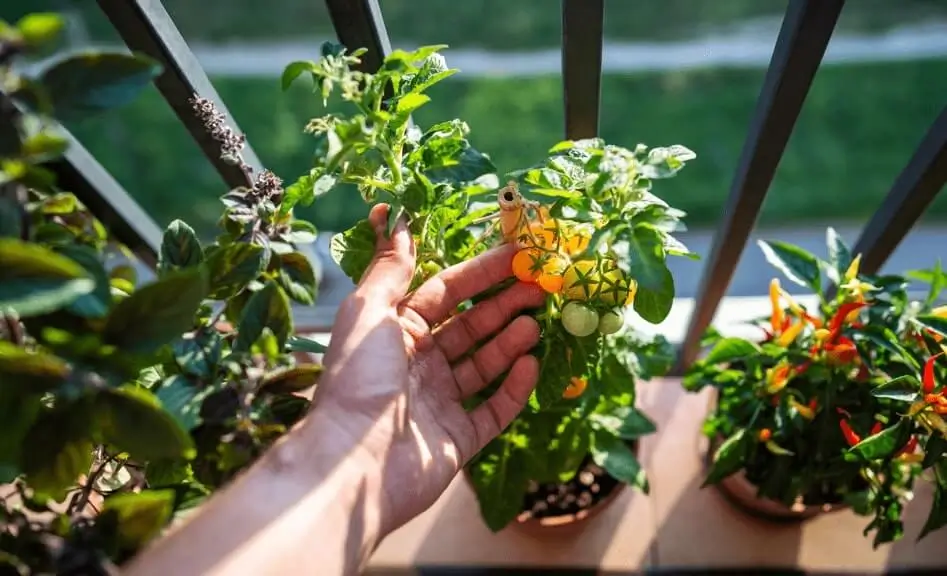
Container fruit gardening for balconies is one of the easiest and most rewarding ways to grow fresh fruit in small urban spaces. Even if you live in an apartment or have only a tiny balcony, you can successfully grow delicious fruits in containers with the right setup and care. From strawberries and blueberries to dwarf citrus trees and figs, many fruit plants thrive in pots and require surprisingly little space.
This beginner-friendly guide will teach you everything you need to know about balcony container fruit gardening, including choosing the best containers, selecting suitable fruit plants, preparing the right soil, watering properly, and maximizing sunlight in limited spaces. Whether you want a simple edible balcony garden or dream of harvesting fresh fruit year-round, container gardening makes it possible without needing a traditional backyard.
By the end of this guide, you’ll have the confidence to start your own balcony fruit garden and enjoy healthy, homegrown fruit right outside your door.
What Is Container Fruit Gardening for Balconies?
- Space efficiency
- Controlled soil and water
- Portable plants that can be moved for sun or protection
Why Balconies Are Perfect for Container Fruit Gardening
- Easy access to sunlight
- Better pest control than ground gardens
- Precise control over watering and feeding
- Cleaner, more manageable growing conditions
Best Fruits for Balcony Container Gardening
Best Fruit Trees for Balconies
- Citrus (lemon, lime, calamondin)
- Fig trees
- Apple trees (columnar or dwarf)
- Peach and nectarine (dwarf types)
- Pomegranate (compact varieties)
Small Fruits and Fast Producers
- Strawberries
- Blueberries (acidic soil lovers)
- Raspberries (compact cultivars)
- Dwarf bananas (warm climates)
Choosing the Right Containers for Balcony Fruit Gardening
Ideal Container Size
- Small fruits: 8–12 inches wide
- Dwarf trees: 15–25 gallons
- Larger fruit trees: 25–30 gallons minimum
Best Container Materials
- Plastic: Lightweight and affordable
- Terracotta: Breathable but dries quickly
- Fabric grow bags: Excellent drainage and airflow.
- Wooden planters: Insulated and durable
Best Soil for Fruit in Pots (Critical for Success)
- Compost or organic matter
- Coco coir or peat moss
- Perlite or coarse sand
Sunlight Requirements for Balcony Fruit Plants
Balcony Sunlight Tips
- South-facing balconies are ideal.
- East-facing works well for morning sun.
- West-facing balconies may need shade during extreme heat.
- North-facing balconies limit fruit choices.
Step-by-Step: How to Start Container Fruit Gardening on a Balcony
Step 1: Plan Your Space
- Sun exposure
- Weight limits
- Wind direction
Step 2: Select the Right Plants
- Strong stems
- Healthy leaves
- No visible pests
Step 3: Plant Correctly
- Add drainage material at the bottom.
- Fill with prepared soil mix.
- Plant at the same depth as the nursery pot
- Water thoroughly after planting
Step 4: Establish a Care Routine
Watering Schedule for Potted Fruit on Balconies
- Water deeply, not lightly
- Check moisture before watering.
- Adjust frequency based on season.
Fertilizing Fruit Trees in Containers
- Use slow-release organic fertilizer.
- Supplement with liquid feed during growth.
- Reduce feeding in winter.
Common Mistakes in Balcony Container Fruit Gardening
- Using containers that are too small
- Poor drainage leading to root rot
- Inconsistent watering
- Ignoring sunlight requirements
- Overcrowding plants
Tips for Maximizing Fruit Yield on a Balcony
- Rotate pots weekly for even sun exposure.
- Prune regularly to control size.
- Hand-pollinate flowers if insects are scarce
- Mulch the soil surface to retain moisture.
- Protect plants from extreme heat and wind.