
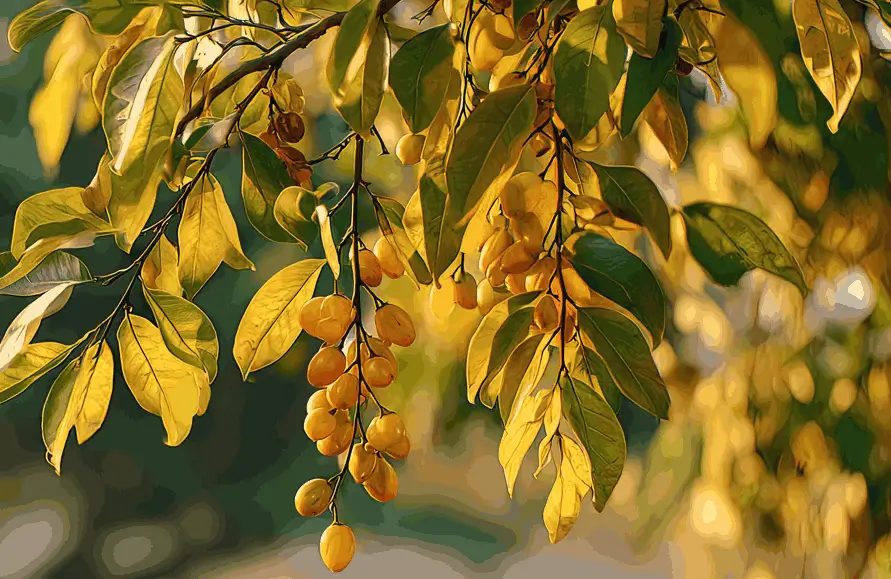
Yellow leaves on container fruit trees are a common warning sign that something isn’t right with your plant’s care or environment. From overwatering and nutrient deficiencies to poor drainage and pest issues, several factors can cause leaves to turn yellow. Understanding the root cause is key to restoring your tree’s health and keeping it productive in a limited space.
In this guide you’ll learn why this happens, how to fix it, and what to do to prevent it in the future — all tailored specifically for fruit trees grown in containers, patio pots, and small gardens.
Why Yellow Leaves Matter in Container Fruit Gardening
Yellowing leaves isn’t just cosmetic — it’s a symptom.
Unlike trees planted in the ground, fruit trees in containers have limited soil volume, which means less nutrient buffering, faster drying, and greater sensitivity to care mistakes. When you see yellow leaves, it often points to:
- Water imbalance (too much or too little)
- Nutrient shortages or lockouts
- Poor drainage or compacted soil
- Salt buildup from fertilizer and tap water
Catching these signs early helps prevent larger problems like root rot, defoliation, or poor fruiting. Container fruit trees depend on consistent but balanced care — especially for watering and soil quality.
Common Causes of Yellow Leaves on Container Fruit Trees
Watering Issues: Too Much or Too Little
One of the most frequent reasons for yellow leaves is inconsistent watering. In containers:
- Overwatering fills the potting mix with water, reducing oxygen to roots and causing stress.
- Underwatering dries out roots quickly, especially in warm weather, causing leaves to yellow from stress.
To find the right balance:
- Test soil moisture with your finger — water only when the top 1–2 inches feel dry.
- Always ensure water flows out of drainage holes; standing water is a red flag. (growfruitly.com)
Nutrient Deficiencies
Yellowing in specific patterns (for example, between veins or just on older leaves) often signals a nutrient deficiency. Commonly:
- Nitrogen deficiency causes uniform yellowing.
- Iron or magnesium deficiency causes yellowing between green veins.
Since container soils lose nutrients faster, regular feeding during the growing season is essential. Consider a balanced, fruit tree-friendly fertilizer and follow the label directions carefully.
Poor Soil and Drainage
Roots need air as much as water. Heavy, compacted soil restricts air flow and drainage, leading to stress symptoms like yellow leaves.
Using a high-quality, well-draining mix makes a huge difference for potted fruit trees. A good formula blends potting soil with compost, perlite or pumice, and a moisture-retaining component like coco coir. (growfruitly.com)
Salt Buildup in Containers
Salts from fertilizers and mineral-rich water can accumulate in the potting mix, especially if you never flush the soil or change it. Too much salt near the roots reduces water uptake and causes leaf yellowing or browning at the edges.
To prevent salt stress:
- Flush soil regularly by watering deeply until water runs freely from drainage holes.
- Use low-salt or balanced fertilizers.
- Refresh or replace old potting mix every 1–2 years. (growfruitly.com)
Step-by-Step Solutions for Yellow Leaves
1. Adjust Your Watering Routine
- Check moisture daily during heatwaves.
- Water only when the soil is moderately dry.
- Avoid small, frequent watering that never reaches roots.
If the plant has been overwatered, allow it to dry a bit before watering again and ensure the pot has good drainage.
2. Refresh or Improve Your Soil
Use the right container soil mix designed for fruit trees. Good soil should:
- Drain well
- Hold moisture without waterlogging
- Provide nutrients gradually
For a complete beginner-friendly soil formula, see this guide on the best soil mix for potted fruit trees. (growfruitly.com)
3. Feed Consistently (But Not Excessively)
Select a fertilizer formulated for fruit trees or balanced slow-release fertilizer. Apply it during the growing season and stop feeding in winter dormancy.
Too much fertilizer — especially high-salt synthetic types — can be just as harmful as too little.
4. Improve Light and Airflow
Fruit trees typically need at least 6–8 hours of direct sunlight a day. Inadequate light can weaken trees and contribute to chlorosis (yellow leaves). Place containers where they get sufficient sun and good air circulation.
Common Mistakes Beginners Make
- Using heavy garden soil instead of potting mix — this packs down, holds excess water, and suffocates roots.
- Neglecting drainage holes — always ensure your pot has adequate outlets for water.
- Fertilizing dry soil — this can burn roots and worsen leaf yellowing.
- Never flushing soil — leads to salt buildup over time. (growfruitly.com)
To understand broader container care beyond yellow leaves, the container fruit gardening guide on GrowFruitly has great foundational steps for beginners. (growfruitly.com)
Tools and Supplies for Healthier Container Trees
- Quality potting soil formulated for containers
- Balanced fertilizer for fruit trees
- Moisture meter (optional but helpful)
- Pots with multiple drainage holes
- Pot risers or feet — improve airflow and drainage
Using the right soil and containers from the start — as discussed in more detail in the container gardening basics guide — prevents many common problems before they begin.
Frequently Asked Questions (FAQ)
Why are the leaves on my container fruit tree turning yellow?
This can be due to water imbalance, nutrient deficiencies, poor soil, or salt buildup. Start by checking your watering schedule and soil quality.
Can I fix yellow leaves once they start?
Yes — if you correct the underlying cause (watering, soil, nutrients), new growth will be healthy and green. Old yellow leaves may not recover, but the plant can replace them.
Does fertilizer cause yellowing?
Too much or inappropriate fertilizer (especially high-salt types) can lead to salt buildup and leaf stress. Use balanced feeds and flush soil periodically.
How often should I repot my fruit tree?
Typically every 1–2 years for younger trees or when roots circle the pot. Refresh soil to prevent compaction and nutrient depletion.
Do all fruit trees get yellow leaves in containers?
Any fruit tree can show yellowing symptoms, but container-grown trees are more sensitive due to limited soil. Choosing dwarf or patio varieties helps reduce stress.
Conclusion
Yellow leaves on container fruit trees are a diagnostic signal — not just an aesthetic issue. By understanding the most common causes and applying the right adjustments in watering, soil and nutrition, you can bring your tree back to health and protect future growth.
Quick Action Steps:
- Check soil moisture and watering habits
- Improve soil with a high-quality mix
- Flush soil to prevent salt buildup
- Feed with a balanced fertilizer
- Ensure adequate sunlight and airflow
Healthy green leaves usually follow healthy care habits. With consistent practice and attention, your container fruit trees will reward you with lush foliage and better fruit harvests!