
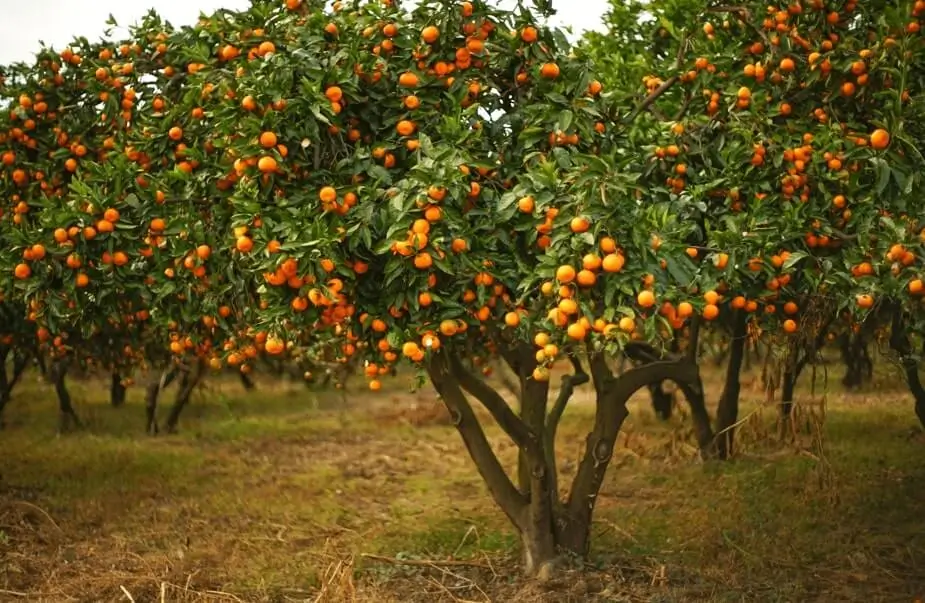
Growing orange trees in pots is a rewarding way to enjoy fresh citrus even in small spaces like balconies, patios, or indoor gardens. However, many gardeners wonder how long it takes before a container-grown orange tree finally produces fruit. The answer depends on factors such as the tree’s age, variety, growing conditions, and overall care. Understanding the fruiting timeline can help you set realistic expectations and avoid common mistakes that delay harvests. In this guide, you’ll learn how long orange trees take to bear fruit in pots, what affects fruit production, and how to encourage faster, healthier harvests.
Why Fruiting Time Matters in Container Orange Trees
Container fruit gardening is all about expectations and control. Unlike in-ground trees, potted orange trees rely entirely on you for space, nutrients, water, and root health.
Understanding the fruiting timeline helps you:
- Avoid unnecessary worry or overcorrecting care.
- Prevent mistakes like over-fertilizing or over-pruning
- Choose the right orange variety for small-space growing.
- Plan container upgrades and long-term care
Many beginners give up on potted citrus too early, assuming the tree is unproductive—when in reality, it’s simply not mature yet.
How Long Does It Take for Orange Trees to Bear Fruit in Pots?
The Short Answer
Most orange trees grown in pots take 2 to 4 years to bear fruit after planting—if they are grafted and grown under proper conditions.
However, the exact timing depends heavily on how the tree was started.
Fruiting Timeline by Tree Type
- Grafted nursery trees:
Usually, fruit in containers lasts for 2–3 years. - Young grafted saplings (1–2 years old):
It may take 3–4 years to produce consistent fruit. - Seed-grown orange trees:
Can take 6–10 years (or may never fruit true to type).
👉 This is why buying a grafted tree from a nursery is critical for container growers.
Key Factors That Affect Fruiting Time in Pots
Tree Age at Purchase
If you start with a more mature grafted tree, you’re already saving years. A one-year-old grafted orange tree is biologically capable of flowering much sooner than a seed-grown plant.
If you’re unsure whether your tree is grafted, look for a visible graft union near the base of the trunk.
Container Size and Root Space
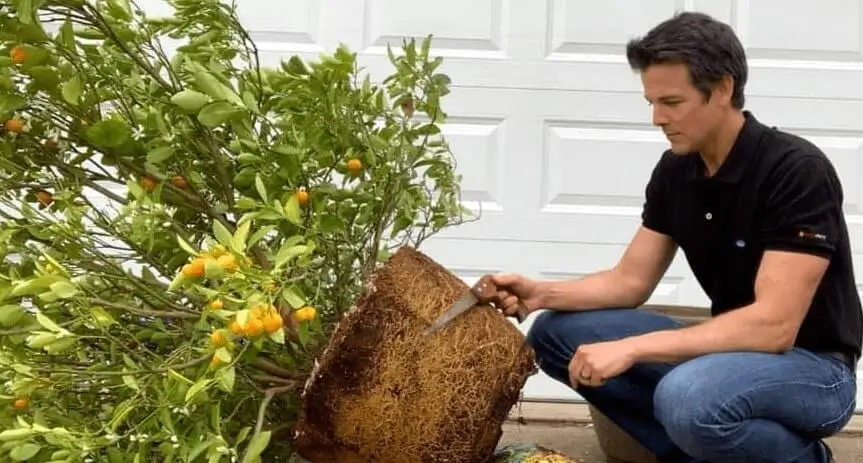
Root restriction is one of the biggest reasons potted orange trees delay fruiting.
- Too-small pots encourage leaf growth but suppress flowers.
- Roots circling the pot can stress the tree.
- Nutrient uptake becomes limited.
For best results, follow the same logic explained in our guide on choosing the best container size for orange trees, where gradual pot upgrades support steady fruit development without shocking the roots.
Sunlight: The #1 Fruiting Requirement
Orange trees need 6–8 hours of direct sunlight daily to flower and set fruit.
Insufficient light leads to:
- Healthy leaves but no blooms
- Flowers drop before fruit forms.
- Long delays in fruiting
Balconies, patios, and rooftops work well, as long as sunlight is unobstructed.
Nutrition and Fertilization Timing
Overfeeding is just as harmful as underfeeding.
- Too much nitrogen = lots of leaves, no fruit
- Lack of potassium and phosphorus = poor flowering
A balanced citrus fertilizer applied during the growing season supports earlier fruiting. If you’re unsure about the feeding frequency, our article on how often to fertilize fruit trees in pots outlines a beginner-friendly schedule.
Pollination in Containers
Most orange varieties are self-pollinating, but limited airflow and a lack of pollinators in balconies can reduce fruit set.
Simple solutions:
- Gently shake branches during flowering.
- Hand-pollinate with a soft brush.
- Place trees outdoors during bloom when possible.
Step-by-Step: How to Help Potted Orange Trees Fruit Faster
1. Start With a Grafted Dwarf Variety
Dwarf or semi-dwarf orange trees fruit sooner and stay manageable in containers.
Popular container-friendly choices include:
- Dwarf Valencia
- Dwarf Navel
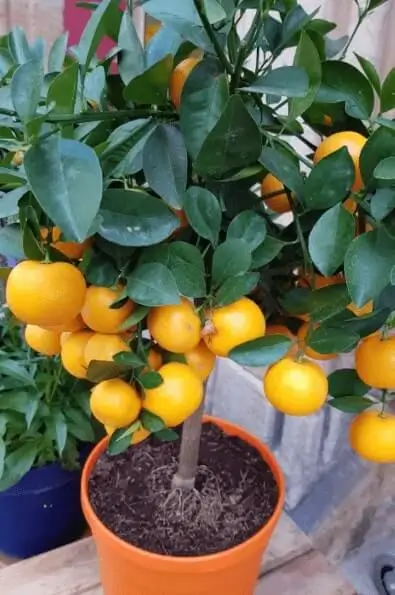
- Calamondin (excellent for beginners)
2. Use the Right Pot and Soil
- Minimum pot size: 12–15 gallons for fruiting
- Excellent drainage is essential.
- Use a well-aerated citrus or homemade mix.
A poor soil mix can delay fruiting for years. Our guide to making a homemade soil mix for fruit trees shows how to balance drainage and nutrition for citrus trees.
3. Follow Seasonal Watering Rules
Water stress is a silent fruit killer.
- Underwatering → flower drop
- Overwatering → root rot and delayed growth
If you struggle with timing, read our practical breakdown of watering fruit trees in summer, which applies perfectly to potted orange trees.
4. Avoid Heavy Pruning
Many beginners unknowingly remove future fruiting wood.
Avoid:
- Hard pruning in spring
- Removing flowering branches
- Shaping the tree aggressively
Light pruning after harvest or in late winter is enough.
Common Mistakes That Delay Fruiting
Expecting Fruit Too Early
A 1-year-old tree with no flowers is normal. Patience matters more than intervention.
Over-Fertilizing With Nitrogen
This causes lush foliage but delays flowering for years.
Keeping Trees Indoors Too Long
Indoor light is rarely strong enough for fruit production. Outdoor exposure during warm months is critical.
Ignoring Pot Upgrades
A root-bound tree will survive—but it won’t fruit well.
Tools and Care Tips That Support Fruiting
- Moisture meter to avoid overwatering
- Slow-release citrus fertilizer
- Large terracotta or fabric pots for airflow
- Mulch layer to stabilize soil moisture
These small tools make a big difference over multiple growing seasons.
FAQ: Orange Trees Fruiting in Pots
How long until orange trees bear fruit in pots from seed?
Seed-grown trees usually take 6–10 years and may not produce true-to-type fruit.
Can potted orange trees fruit indoors?
Rarely. Without strong direct sunlight, flowering and fruiting are unlikely.
Why does my orange tree flower but not set fruit?
Common causes include lack of sunlight, water stress, or poor pollination.
Should I remove flowers in the first year?
Yes. Removing early flowers helps the tree build strength for future fruiting.
Do dwarf orange trees fruit faster?
Yes. Dwarf varieties are bred to flower and fruit earlier in containers.
Conclusion: What to Expect—and What to Do Next
So, how long until orange trees bear fruit in pots? For most gardeners, the realistic answer is 2 to 4 years—with the right tree, container, and care.
The fastest path to fruit includes:
- Starting with a grafted dwarf tree
- Providing full sun and a proper pot size
- Feeding correctly without excess nitrogen
- Practicing patience during early growth
If your tree hasn’t fruited yet, that doesn’t mean you’ve failed—it means you’re still in the growth phase. Follow the steps above, adjust one factor at a time, and your potted orange tree will reward you with blossoms, then fruit, in due time. 🍊