
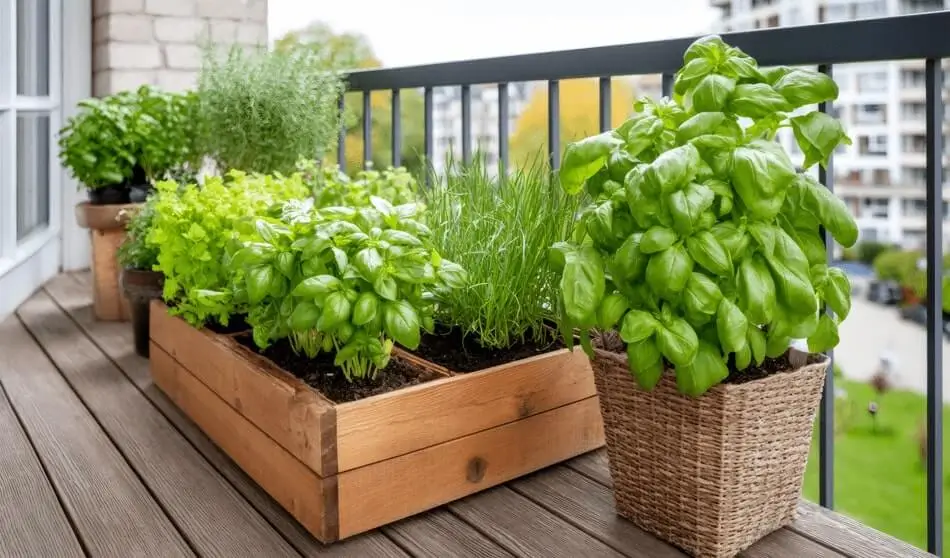
Choosing the best containers for balcony fruit trees is one of the most important steps for successful small-space gardening. The right pot helps your fruit tree develop strong roots, retain proper moisture, and produce healthier growth even in limited balcony areas. In this beginner-friendly guide, you’ll learn how to choose the ideal container size, material, drainage system, and shape for different types of balcony fruit trees so you can create a thriving container garden with confidence.
Why Choosing the Right Container Matters for Fruit Trees
Unlike ornamental plants, fruit trees stay in containers for many years. Their roots, water needs, and nutrient demands are far more demanding.
A well-chosen container helps to:
- Support healthy root development.
- Maintain consistent moisture levels.
- Prevent root rot and nutrient lockout.
- Improve stability on windy balconies.
- Increase fruit production and tree lifespan.
If you’re new to container fruit gardening for beginners, container choice is the foundation on which everything else depends.
Best Containers for Balcony Fruit Trees (Quick Overview)
| Container Type | Best For | Main Advantage | Main Drawback |
| Plastic Pots | Beginners, hot climates | Lightweight, affordable | Can overheat roots |
| Terracotta / Clay | Cool climates | Breathable, stable | Heavy, dries quickly |
| Fabric Grow Bags | Root health | Excellent drainage | Need frequent watering |
| Wooden Planters | Permanent setups | Insulated, decorative | Require maintenance |
| Self-Watering Containers | Busy gardeners | Consistent moisture | Limited root space |
Best Container Size for Balcony Fruit Trees
Minimum Pot Size You Should Never Go Below
One of the most common beginner errors is starting too small.
Recommended minimum sizes:
- Dwarf citrus trees: 15–20 gallons (60–75 litres)
- Dwarf apple, pear, peach: 20–25 gallons
- Fig trees: 20–30 gallons
- Berry bushes (blueberry, raspberry): 10–15 gallons
👉 Bigger containers mean:
- Less frequent watering
- More stable root temperatures
- Better nutrient retention
If you’re unsure how pot volume affects watering, understanding the watering schedule for potted fruit is essential before choosing container size.
Best Materials for Balcony Fruit Tree Containers
Plastic Containers (Lightweight & Practical)
Plastic pots are often the best choice for balconies, especially for upper floors.
Pros:
- Easy to move
- Affordable
- Retain moisture well
Cons:
- Can trap heat in direct sun
- Less stable in strong winds
Best for: Citrus, figs, and beginners with limited strength or space.
Terracotta & Clay Pots (Breathable but Heavy)
Clay pots allow air exchange through the walls, benefiting root health.
Pros:
- Natural insulation
- Excellent root aeration
- Attractive look
Cons:
- Very heavy
- Dry out quickly
- Can crack in freezing temperatures
Best suited for gardeners who closely monitor moisture and use high-quality potting soil for fruiting in pots with good water retention.
Fabric Grow Bags (Excellent for Root Health)
Fabric containers are increasingly popular in balcony fruit gardening.
Pros:
- Prevent root circling
- Superior drainage
- Lightweight
Cons:
- Need more frequent watering.
- Less decorative
They work best when paired with mulch and a consistent feeding plan, especially when fertilizing fruit trees in containers regularly.
Wooden Planters (Great for Permanent Balcony Setups)
Wooden containers provide excellent insulation and stability.
Pros:
- Protect roots from heat and cold.
- Very stable
- Long-lasting when lined
Cons:
- Heavy
- Higher cost
- Require waterproof lining
Perfect for long-term balcony orchards where pots won’t be moved often.
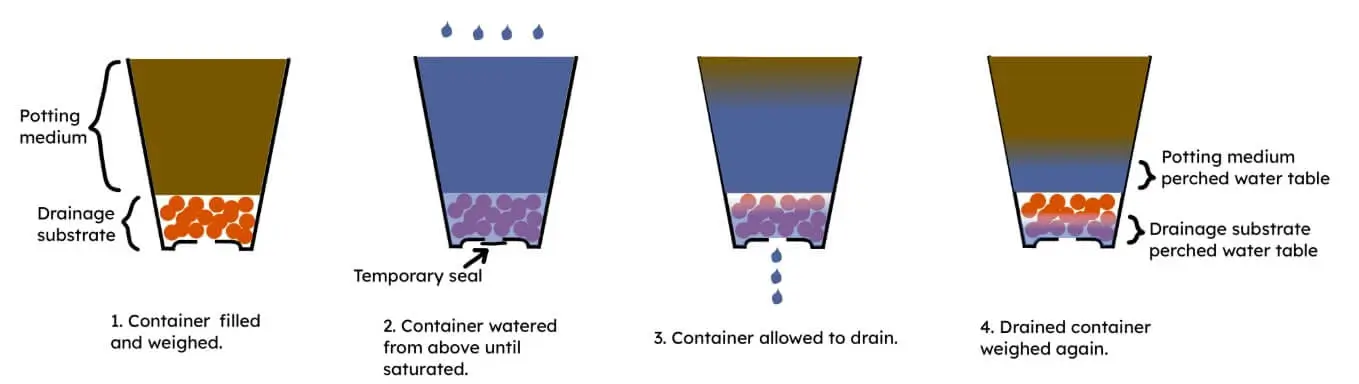
Drainage: The Most Important Feature (Non-Negotiable)
No matter how beautiful or expensive a container is, poor drainage will kill fruit trees.
What Proper Drainage Looks Like
- Multiple drainage holes at the bottom
- Raised pot feet or spacers
- Free-flowing potting mix
Never place fruit trees in containers without drainage holes—even for a short time.
Step-by-Step: How to Set Up a Container for a Balcony Fruit Tree
Step 1: Choose the Right Container Size
Always start larger than you think you need.
Step 2: Improve Drainage
- Cover holes with mesh (not stones)
- Elevate the pot slightly above the floor.
Step 3: Use Quality Potting Mix
Avoid garden soil. Use a mix designed for containers and fruit trees.
Step 4: Plant at Correct Depth
The graft union (if present) must stay above soil level.
Step 5: Water Thoroughly
Soak until water drains freely from the bottom.
Best Containers by Fruit Tree Type
Citrus Trees (Lemon, Orange, Lime)
- Best material: Plastic or ceramic
- Minimum size: 15–20 gallons
- Bonus tip: Light-colored pots prevent overheating
Citrus are sensitive to overwatering, so container choice directly affects root health.
Apple, Pear & Stone Fruits
- Best material: Wooden planters or large plastic pots
- Minimum size: 20–25 gallons
- Must have excellent drainage
Dwarf varieties perform best in stable, heavy containers.
Fig Trees
- Best material: Fabric grow bags or large plastic bags
- Minimum size: 20–30 gallons
- Thrive with occasional root restriction.
Figs are forgiving and ideal for balcony beginners.
Common Mistakes to Avoid
- Choosing decorative pots without drainage
- Starting with small containers “just for now.”
- Using garden soil instead of potting mix
- Ignoring wind stability on high balconies
- Overwatering due to poor container choice
Most problems blamed on “difficult fruit trees” actually start with the wrong container.
Tips for Long-Term Balcony Fruit Tree Success
- Use wheeled pot stands for easy movement.
- Mulch the soil surface to reduce evaporation.
- Rotate containers for even sun exposure.
- Repot every 2–3 years if growth slows.
- Match container size to your fertilizing routine
Healthy containers make feeding and watering predictable rather than stressful.
Frequently Asked Questions (FAQ)
What is the best container size for balcony fruit trees?
Most dwarf fruit trees need at least 15–20 gallons to grow and fruit properly.
Are fabric grow bags good for fruit trees?
Yes, especially for figs and citrus, but they require more frequent watering.
Can I grow fruit trees in self-watering containers?
They work for small trees but may limit long-term root growth.
Do fruit trees need deep or wide containers?
Depth matters more than width—aim for at least 16–18 inches deep.
How long can a fruit tree stay in the same container?
With proper care, 3–5 years before repotting is usually sufficient.
Conclusion: The Right Container Makes Balcony Fruit Growing Easy
Choosing the best containers for balcony fruit trees is not about style—it’s about root health, drainage, and long-term growth. When you match the right container size and material to your fruit tree and balcony conditions, everything else becomes easier: watering, feeding, and harvesting.
If you’re ready to take the next step, explore more guides on GrowFruitly to master container fruit gardening and turn your balcony into a productive mini orchard. 🌱🍋