
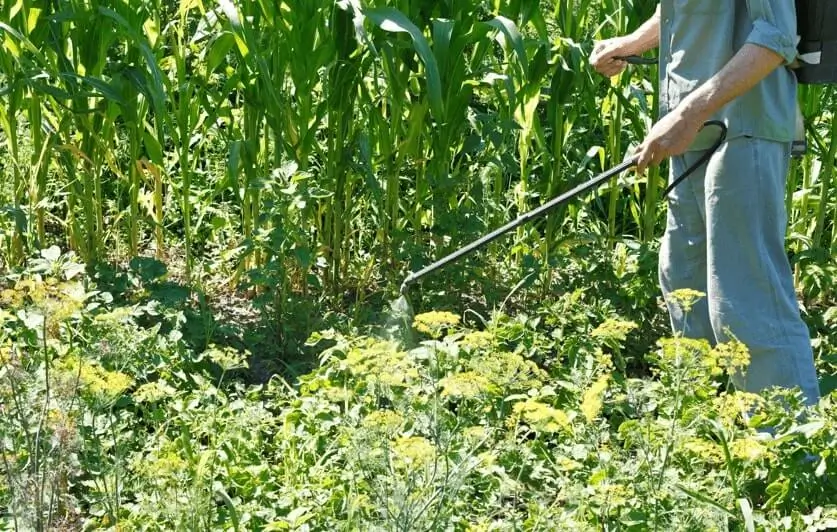
Growing fruit plants on a balcony is rewarding, but pest pressure can quickly turn your small garden into a problem zone. Unlike traditional gardens, container plants are more vulnerable because of limited soil space, environmental stress, and close plant spacing. The good news is that building pest resistance naturally is not only possible—it’s often more effective long-term. By strengthening plant health, using smart planting techniques, and applying organic solutions, you can protect your balcony garden without relying on harmful chemicals.
Why Pest Resistance Matters for Container Fruit Gardening
Balcony gardens create a unique ecosystem. Unlike open gardens, containers restrict root growth, soil volume, and natural predator access. This means pests can multiply faster if conditions are right.
Key reasons pest resistance is critical in balcony gardens:
- Limited soil buffering: Weak roots stress plants, making them easier targets.
- Close proximity: Pests spread quickly between pots.
- Reduced biodiversity: Fewer beneficial insects to control outbreaks.
- Indoor–outdoor exposure: Many balcony plants face fluctuating temperatures and airflow.
When plants lack natural resistance, pests like aphids, spider mites, and whiteflies attack leaves, stems, and fruit. Over time, this leads to stunted growth, poor harvests, and recurring infestations.
Building pest resistance isn’t about reacting—it’s about prevention. If you’re already noticing symptoms like curling leaves or sticky residue, this guide on sticky residue on fruit tree leaves and pest causes can help you identify early warning signs.
Understanding Common Balcony Garden Pests
Before you can improve pest resistance, you need to know your enemy. The most common pests in balcony container gardens include:
- Aphids – Soft-bodied insects that suck sap and attract ants
- Spider mites – Tiny pests causing yellow speckles and webbing
- Whiteflies – Flying insects that weaken plants rapidly
- Mealybugs – Cotton-like pests hiding in leaf joints
These pests thrive on stressed plants. That’s why strengthening your plant’s overall health is the foundation of long-term pest resistance.
Step-by-Step Solutions to Improve Pest Resistance in Balcony Gardens
1. Choose Naturally Pest-Resistant Plants and Varieties
Not all plants are equally vulnerable. Some fruit trees and herbs naturally repel pests or tolerate attacks better.
Good choices for balcony gardens include:
- Citrus varieties grafted for container growing
- Fig trees with thick, leathery leaves
- Herbs like rosemary, thyme, basil, and mint
Avoid overcrowding susceptible plants together. Mixing herbs among fruit containers can confuse pests and reduce infestations naturally.
2. Optimize Container Size and Drainage
Root stress is one of the biggest causes of pest problems.
- Use containers at least 12–18 inches deep for fruit plants
- Ensure multiple drainage holes
- Avoid letting pots sit in standing water
Poor drainage leads to weak roots and fungal issues, which attract pests. If you’re unsure whether your soil health is contributing to pest issues, read this guide on root diseases in potted fruit trees and prevention methods.
3. Use High-Quality, Living Soil
Healthy soil equals strong plants.
Look for potting mixes that include:
- Compost or worm castings
- Coco coir or peat for moisture balance
- Perlite or pumice for aeration
Avoid reused soil unless it’s refreshed and sterilized. Living soil supports beneficial microbes that help plants naturally defend against pests.
4. Strengthen Plants with Proper Feeding
Over-fertilizing is just as harmful as underfeeding.
- Excess nitrogen creates soft, pest-attracting growth
- Use balanced organic fertilizers
- Feed lightly but consistently during active growth
Weak, fast-growing plants are magnets for aphids and mites. Slow, steady growth builds stronger cell walls that pests struggle to penetrate.
5. Improve Airflow and Sun Exposure
Most pests thrive in stagnant, shaded conditions.
- Space containers so leaves don’t touch
- Rotate pots weekly for even sun exposure
- Prune excess foliage to improve airflow
Good airflow alone can dramatically reduce spider mite and fungal issues in balcony gardens.
6. Apply Preventive Natural Pest Control
Don’t wait for a full infestation.
Preventive options include:
- Neem oil sprays every 10–14 days
- Insecticidal soap for early pest presence
- Manual leaf wiping for small infestations
If you want a deeper, plant-safe approach, follow this natural pest control strategy for home fruit gardeners that explains timing and application methods.
Common Mistakes Beginners Make in Balcony Pest Control
Overusing Chemical Sprays
Chemical pesticides:
- Kill beneficial insects
- Increase pest resistance over time
- Stress container plants
Once pests adapt, infestations become harder to control.
Ignoring Early Warning Signs
Small problems escalate fast in containers. Leaf holes, speckling, or discoloration should never be ignored. If you’re seeing visible damage, this guide on leaf holes in container-grown fruit plants explains which pests are likely responsible.
Overwatering
Wet soil attracts fungus gnats and weakens roots. Always check moisture levels before watering.
Skipping Regular Inspections
Inspect leaves (top and underside) weekly. Early detection is the difference between prevention and recovery.
Tools, Containers, and Care Tips for Pest-Resistant Balcony Gardens
Essential tools and materials:
- Self-watering containers to reduce stress
- Organic mulch (straw, bark chips, coconut husk)
- Clean hand pruners for removing infested growth
- Spray bottle for neem or soap treatments
Care tips that make a big difference:
- Clean pots before replanting
- Remove fallen leaves immediately
- Quarantine new plants for 7–10 days before placing them near others
These small habits dramatically improve pest resistance over time.
FAQ: Pest Resistance in Balcony Gardens
How do I prevent pests on balcony plants naturally?
Focus on plant health, airflow, quality soil, and preventive neem oil sprays. Healthy plants resist pests better than stressed ones.
Why do pests keep coming back in my container garden?
Recurring infestations usually mean the root cause—overwatering, poor soil, or overcrowding—hasn’t been fixed.
Is neem oil safe for fruit plants on balconies?
Yes, when used correctly. Apply in the early morning or evening and avoid spraying during strong sun.
Can companion planting really help with pest resistance?
Yes. Herbs like basil and rosemary help deter pests and attract beneficial insects, even in small spaces.
How often should I check balcony plants for pests?
At least once a week. During warm weather, inspect twice weekly for best results.
Conclusion: Build Long-Term Pest Resistance, Not Short-Term Fixes
Pest resistance in balcony gardens isn’t about eliminating every insect—it’s about creating conditions where pests struggle to survive. By choosing the right plants, improving soil health, optimizing containers, and applying gentle preventive care, you can grow strong, productive fruit plants even in the smallest spaces.
Start with one improvement this week: upgrade your soil, improve airflow, or begin regular inspections. Small, consistent actions lead to lasting results—and a balcony garden that thrives naturally, season after season.