
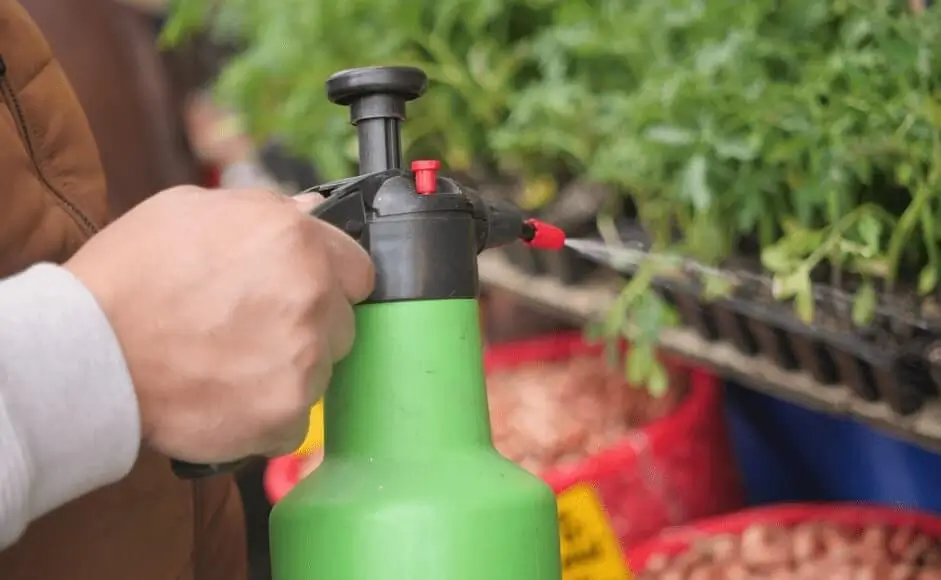
Overusing pesticides in container fruit gardening is a common mistake that can do more harm than good. While it may seem like a quick fix for pests, excessive use of chemical or even organic sprays can damage plant health, disrupt beneficial insects, and lead to long-term soil problems. In small growing spaces like pots and containers, these effects are often intensified.
This guide will help you understand the risks of overusing pesticides and show you how to protect your fruit plants safely. You’ll learn smarter, balanced pest control methods that keep your container garden healthy, productive, and environmentally friendly.
Why Overusing Pesticides in Containers Is a Serious Problem
Container fruit gardening creates a closed ecosystem. Unlike garden soil, containers don’t dilute chemicals naturally through deep soil layers, microbes, and rainfall.
1. Chemical Buildup Happens Fast
When pesticides are applied repeatedly to pots:
- Residues accumulate in the soil
- Roots absorb chemicals more intensely
- Soil biology becomes unbalanced
This often leads to slow growth, leaf burn, yellowing foliage, and reduced fruiting — even when pests are gone.
2. Beneficial Insects Are Eliminated
Many common container pests are naturally controlled by:
- Ladybugs
- Lacewings
- Predatory mites
Repeated spraying kills these allies, creating a pest rebound effect where infestations return stronger than before. If you’ve noticed pests coming back quickly after spraying, this imbalance is usually the cause.
You may also notice secondary issues like sticky leaves caused by sap-feeding insects, which are often worsened by pesticide misuse (learn more in our guide on why sticky residue appears on potted fruit trees).
3. Containers Magnify Plant Stress
Potted plants already face stress from:
- Limited root space
- Faster drying soil
- Temperature fluctuations
Adding chemical stress on top of this makes plants more vulnerable to disease, including fungal issues common in humid or overwatered containers.
How to Identify Pesticide Damage vs Pest Damage
Before applying anything, it’s critical to know what you’re actually seeing.
Signs of Pest Damage
- Holes in leaves
- Sticky residue (honeydew)
- Visible insects or webs
- Curled or distorted new growth
Signs of Pesticide Overuse
- Burned leaf edges or spots
- Sudden leaf drop after spraying
- Stunted growth despite no visible pests
- White crust or chemical smell in soil
If your plant looks worse after treatment, the issue is often chemical stress rather than insects.
Step-by-Step: How to Stop Overusing Pesticides in Containers
Step 1: Pause All Spraying Immediately
If pests are not actively destroying the plant, stop spraying for at least 10–14 days. This gives the plant time to recover and prevents further chemical accumulation.
Step 2: Flush the Container Soil
Leach out excess chemicals by:
- Placing the pot where it can drain freely
- Slowly watering until water flows from the bottom
- Repeating after 24 hours
This step alone often improves plant health dramatically.
Step 3: Inspect Closely and Identify the Pest
Use a magnifying glass to check:
- Leaf undersides
- New shoots
- Soil surface
Correct identification prevents unnecessary treatments. Many gardeners mistake harmless insects for pests and spray unnecessarily.
For help recognizing insect-related leaf damage, see our article on what causes holes and chewing damage on container fruit plants.
Best Practices for Safe Pest Control in Container Fruit Gardening
Use Physical Controls First
These methods are highly effective and risk-free:
- Hand-removing insects
- Rinsing leaves with water
- Pruning heavily infested growth
For light infestations, this is often all you need.
Choose Low-Impact Treatments Only When Necessary
If intervention is required:
- Use insecticidal soap (not detergent)
- Apply neem oil at low concentration
- Spray only affected areas
Never apply more than recommended — containers need less, not more.
Apply at the Right Time
- Spray early morning or evening
- Avoid hot or sunny conditions
- Never spray stressed or dry plants
This reduces leaf burn and improves effectiveness.
Common Beginner Mistakes That Lead to Overusing Pesticides
Spraying on a Schedule Instead of as Needed
Preventive spraying is rarely necessary in containers and often causes more harm than good.
Using Multiple Products Together
Mixing products increases toxicity and plant stress — especially in confined root zones.
Ignoring Root and Soil Health
Weak plants attract pests. Overwatering, poor drainage, and compacted soil often cause infestations indirectly.
If your container soil stays wet or smells sour, it may be contributing to both pest and disease problems (see our guide on fungal issues in container-grown fruit trees).
Tools, Containers, and Care Tips to Reduce Pest Pressure Naturally
Choose the Right Container Size
Undersized pots stress plants, making them pest magnets. Always size up as the plant grows.
Improve Air Circulation
Space containers properly and prune dense growth to reduce aphids, mites, and fungal problems.
Use Quality Potting Mix
A well-draining mix with organic matter supports beneficial microbes that naturally suppress pests.
Strengthen Plants Naturally
Healthy plants resist insects better. Balanced fertilization and proper watering go a long way toward prevention.
FAQ: Overusing Pesticides in Containers
Can too much pesticide kill my potted fruit tree?
Yes. In containers, chemical buildup can damage roots, disrupt nutrient uptake, and eventually kill the plant.
How often should I spray container plants?
Only when pests are actively present and causing damage. Many container plants need no spraying at all.
Is neem oil safe for container fruit trees?
Yes, when diluted correctly and used sparingly. Overuse can still cause leaf burn.
What’s the safest pest control for beginners?
Manual removal, water sprays, and insecticidal soap are the safest starting options.
Why do pests keep coming back after spraying?
Overuse kills beneficial insects, allowing pests to rebound quickly without natural predators.
Conclusion: Smarter Pest Control Starts With Less Spraying
Overusing pesticides in containers doesn’t solve pest problems — it often creates new ones. Because container fruit plants live in a confined environment, they need gentler, more targeted care. By learning to identify pests correctly, using physical and low-impact controls first, and supporting overall plant health, you’ll reduce infestations naturally and protect your harvest.
Your next steps:
- Stop routine spraying
- Flush any chemically stressed containers
- Focus on plant health before treatments
Healthier plants mean fewer pests — and better fruit — with far less effort.