
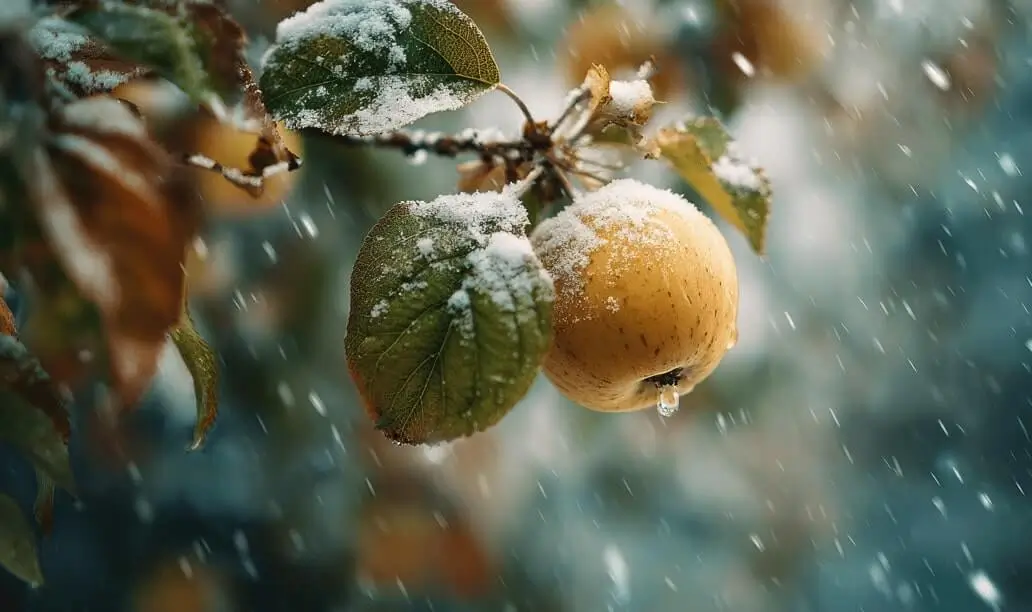
Winter watering is one of the most misunderstood parts of container fruit gardening. Many gardeners assume fruit trees need little or no water during cold months, but the truth is that proper winter watering can protect roots, prevent stress, and help trees stay healthy until spring. Whether you grow fruit trees on a balcony, rooftop, patio, or small urban garden, understanding how to water during winter is essential for long-term success.
Why Watering Fruit Trees in Winter Matters for Container Gardening
Winter dormancy does not mean a fruit tree is “inactive.” Even while resting, trees still need moisture to maintain healthy root tissue and prevent stress.
Containers Dry Out Differently Than Ground Soil
Unlike garden soil, containers:
- Lose moisture faster due to wind exposure.
- Cool down more quickly and slow evaporation.
- Hold water longer after rain or snow.
This makes winter watering a balancing act—especially for balcony growers. If you already grow fruit trees in pots year-round, this builds directly on the principles covered in container fruit gardening year-round, where seasonal care adjustments are essential.
Winter Water Stress Weakens Spring Growth
Improper winter watering can lead to:
- Delayed bud break in spring
- Poor flowering and fruit set
- Increased pest and disease vulnerability
Healthy winter hydration supports stronger roots, which means better growth once temperatures rise.
How Dormancy Affects Water Needs
Understanding dormancy helps you avoid overwatering.
Deciduous vs Evergreen Fruit Trees
- Deciduous trees (apple, pear, fig, peach):
- Lose leaves and require minimal water.
- Still need occasional moisture to protect roots.
- Evergreen fruit trees (citrus, olive, avocado):
- Continue slow growth
- Need more frequent watering than deciduous trees.
If you grow citrus, winter watering is especially critical, as evergreen leaves continue to transpire even in cold weather.
Step-by-Step: How to Water Fruit Trees in Winter
Step 1: Check Soil Moisture the Right Way
Never water on a schedule in winter. Instead:
- Insert your finger 2–3 inches into the soil.
- Use a moisture meter for deep containers.
- Lift the pot—lightweight pots usually need water.
If the soil is still damp, wait.
Step 2: Water Only When Temperatures Are Above Freezing
- Water during the warmest part of the day
- Avoid watering when frost is expected within 24 hours.
- Frozen soil + water = root damage
This is particularly important if you move fruit trees indoors in winter or into protected spaces.
Step 3: Water Slowly and Lightly
Winter watering should:
- Moisten soil evenly
- Never leave standing water in saucers.
- Stop as soon as water drains from the bottom.
Overwatering is the #1 killer of container fruit trees in winter.
Step 4: Adjust Based on Tree Type
| Tree Type | Winter Water Frequency |
| Deciduous fruit trees | Every 3–5 weeks |
| Citrus in containers | Every 10–21 days |
| Tropical fruit trees | When top soil dries |
Climate, pot size, and exposure will change these ranges.
Climate-Based Winter Watering Guidelines
Cold Regions (Freezing Winters)
- Water sparingly
- Soil should be barely moist.
- Insulate pots to prevent freezing roots.
If you garden in cold climates, these tips pair well with container fruit gardening for full winter protection.
Mild or Mediterranean Climates
- Rain may cover most watering needs.
- Check the soil after long dry spells.
- Wind exposure increases drying.
Warm Winter Climates
- Trees may not fully go dormant.
- Increase watering slightly
- Monitor for early growth flushes.
Common Winter Watering Mistakes Beginners Make
1. Watering on a Fixed Schedule
Cold soil dries slowly. A weekly routine often leads to soggy roots.
2. Ignoring Drainage
Poor drainage traps water in winter. If your containers lack drainage holes or are compacted, revisit the drainage tips for container fruit trees to prevent root rot.
3. Letting Pots Sit in Water
Standing water in saucers can freeze roots and suffocate them.
4. Forgetting Wind Exposure
Balcony trees dry faster due to constant airflow, even in winter.
Best Soil, Containers, and Tools for Winter Watering
Use Well-Draining Potting Mix
A winter-appropriate mix should include:
- Bark or coconut coir
- Perlite or pumice
- Minimal peat (holds too much water in cold)
If you’re growing organically, review growing organic fruit in pots for soil safety and structure.
Choose the Right Containers
- Fabric pots dry too fast in winter.
- Plastic retains moisture longer.
- Terracotta dries quickly and chills roots.
For balconies, lightweight but insulated containers are ideal, as explained in the article on lightweight pots for apartment gardening.
Helpful Tools
- Moisture meter
- Mulch (straw, bark chips)
- Insulating wraps or pot feet
Mulching reduces moisture loss and stabilizes soil temperature.
Special Care for Citrus & Evergreen Fruit Trees
Citrus trees require special winter attention.
- Water when the top 2 inches of soil are dry
- Avoid cold water—use room-temperature water.
- Reduce fertilizer completely
If you’re also managing container size, pairing this with the best fruit trees for small containers helps avoid root stress from overcrowding.
FAQ: Watering Fruit Trees in Winter
Should I water fruit trees in winter if it rains?
Yes—check soil moisture first. Rain may not penetrate dry container soil evenly, especially under balconies or eaves.
How often should I water fruit trees in winter?
There is no universal schedule. Deciduous trees may need water once a month, while citrus may need it every 2–3 weeks.
Can overwatering in winter kill fruit trees?
Absolutely. Root rot caused by cold, wet soil is one of the most common reasons container fruit trees die in winter.
Should I water fruit trees before a freeze?
Only if the soil is very dry and temperatures are safely above freezing earlier in the day. Never water frozen soil.
Do indoor fruit trees need winter watering?
Yes, but less than summer. Indoor heating dries soil more quickly, so monitor moisture levels closely.
Conclusion: The Right Way to Water Fruit Trees in Winter
Watering fruit trees in winter is all about moderation and observation. Container-grown trees still need moisture, but far less than during the growing season. By checking soil moisture, adjusting for climate and tree type, and ensuring excellent drainage, you protect roots from rot, dehydration, and cold stress.
As a next step:
- Inspect your containers for drainage.
- Add mulch to insulate roots.
- Adjust watering habits now—not in spring.
Healthy winter care sets the foundation for stronger growth, better flowering, and more fruit when the season returns.